
For many Marin residents, Daniel Swain is a familiar and trusted voice on extreme weather, communicating clearly about intense rainstorms, prolonged drought, and the increasingly severe wildfire seasons. A San Rafael native and climate scientist with the University of California Agriculture and Natural Resources, Swain specializes in climate change and how it is reshaping extreme weather patterns across California and the western United States, with direct consequences for wildfire risk.
Climate Volatility
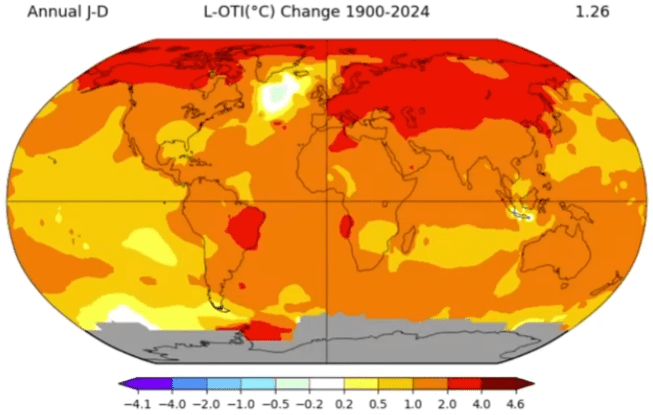
At the core of Swain’s research is climate volatility, which is not just whether conditions are wet or dry, but how rapidly landscapes swing between the two. Scientists refer to this pattern as hydroclimate whiplash: intense or prolonged wet periods followed by rapid and severe drying. Research shows that these swings have increased substantially over the past several decades and are accelerating as the climate warms.
A key driver of this trend is how warmer air behaves. As temperatures rise, the atmosphere can hold significantly more water vapor, about seven percent more for every degree Celsius of warming. When storms arrive, that added capacity produces heavier rainfall. But when the rain stops, the warmer atmosphere becomes a powerful drying force, pulling moisture from soils, plants, and vegetation far more quickly than in the past. The result is a boom-and-bust cycle where vegetation grows rapidly during wet years, then dries out more intensely during dry ones.
California’s Future
In California, this dynamic directly amplifies wildfire risk. Wet winters promote the growth of grasses, shrubs, and brush. Then when hot, dry weather follows, that growth quickly turns into abundant fire fuel. Swain emphasizes that while climate change does not cause wind events such as Santa Anas or Diablo winds, it does increase the likelihood that those winds coincide with critically dry vegetation. Hotter summers and drier autumns also extend the fire season, raising the potential for fast-moving and destructive fires.
This helps explain why recent wildfire seasons feel so extreme. The issue is not only shifting averages, but intensifying extremes. Under continued warming, California is projected to experience increasingly wetter wet years and drier dry years. The conditions will increase the frequency of high-risk wildfire scenarios.
What Residents Can Do Now
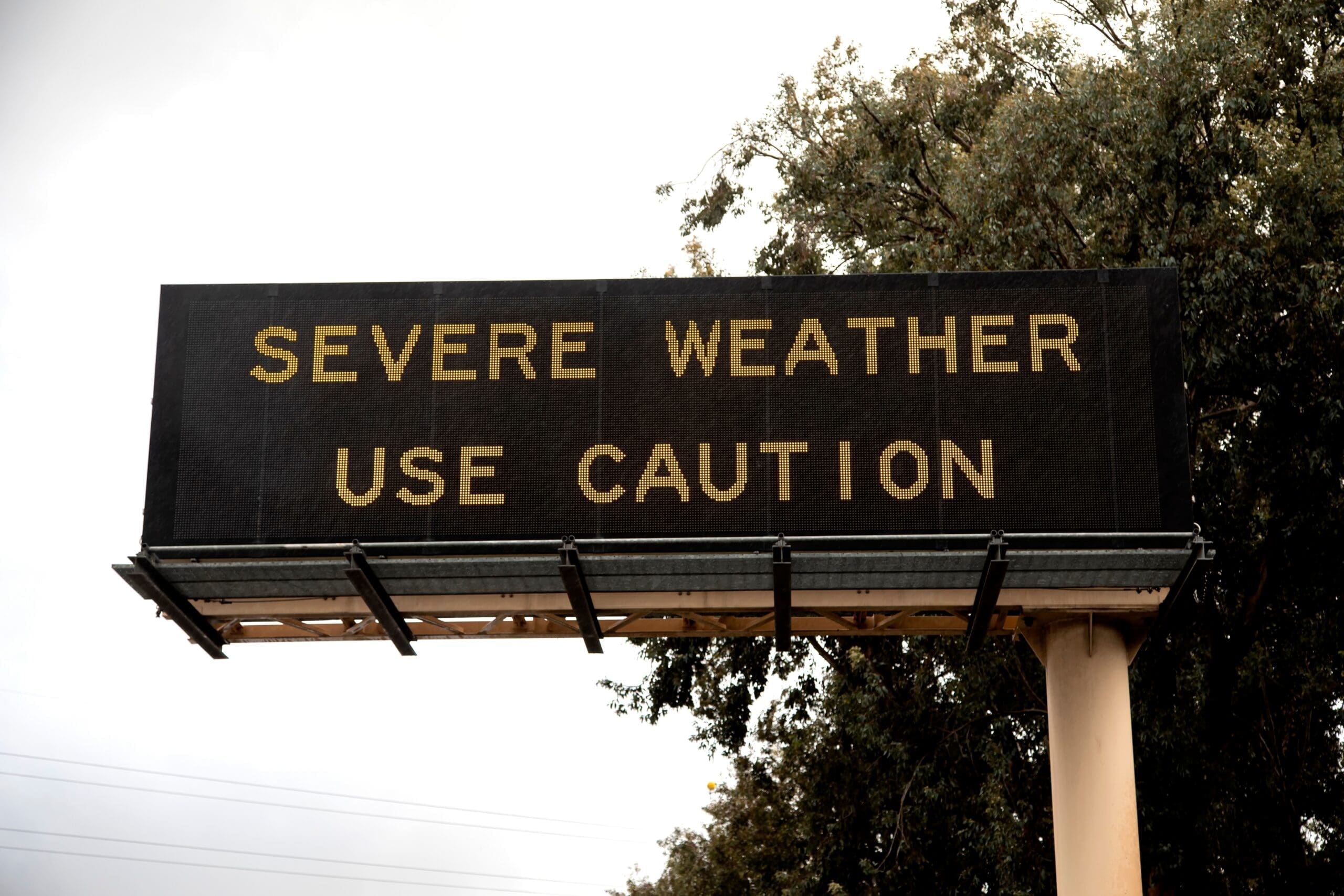
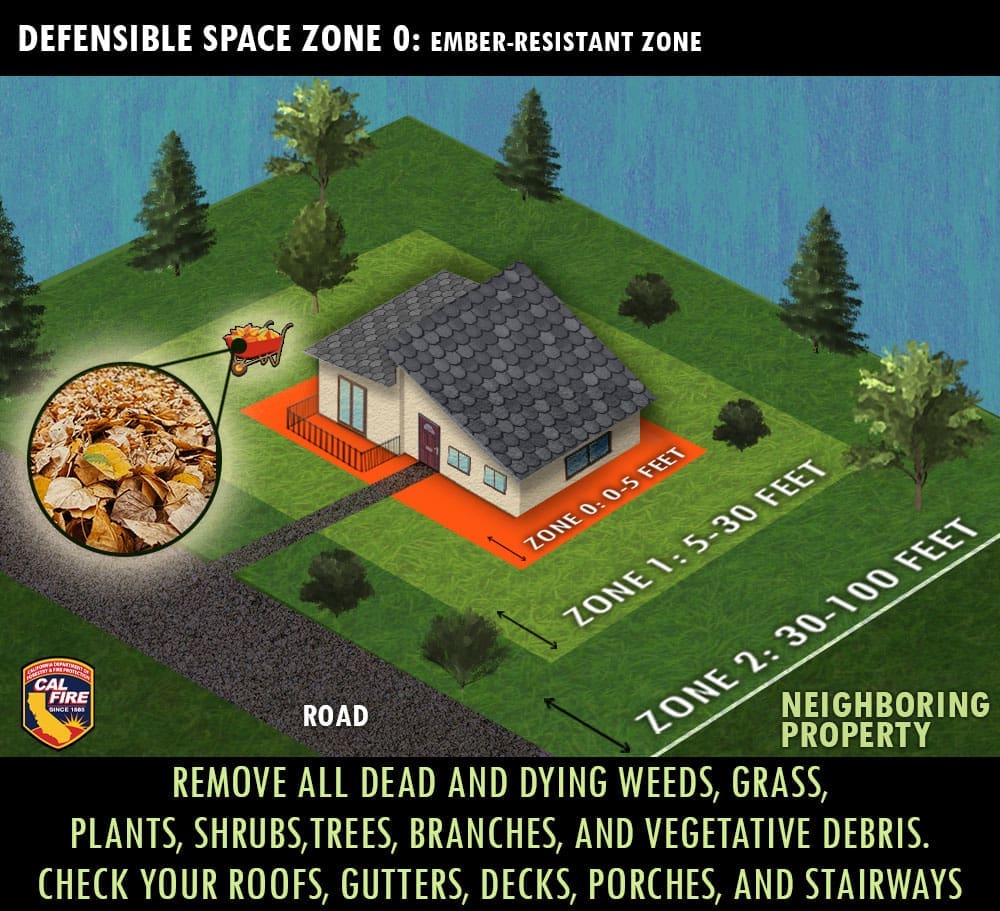
Despite these challenges, Swain consistently highlights actions that can meaningfully reduce risk. Maintaining defensible space, reducing combustible materials near structures, hardening homes against ember intrusion, and supporting ecologically informed land management, such as prescribed fire where it can be done safely, can significantly reduce the likelihood that wildfires become catastrophic at the neighborhood scale.
For wildfire-prone communities like Marin, Swain’s message is clear: climate change is making extremes more extreme, and preparedness must account for that reality. Building resilience means planning for volatility, reducing vulnerabilities where possible, and adapting our homes and landscapes to a future defined by rapid swings between wet and dry.
Actions that residents can take:
- Maintain defensible space, especially within the first five feet of your home (Zone 0).
- Reduce ember risks by maintaining your yard, clearing leaves and debris from roofs, gutters, decks, and vents regularly.
- Harden your home with wildfire-resistant features that limit ember entry.
- Get a home wildfire risk evaluation to identify priority upgrades. Read your inspection report and follow through on recommendations.
- Band together with neighbors through the Firewise program and other local preparedness efforts.
These steps won’t eliminate wildfire risk entirely, but they can greatly improve a home’s ability to withstand fire and preserve life and property.
More Swain Time
Beyond his research, Swain is widely respected for translating complex climate science into clear, practical information through his Weather West blog and public-facing “office hours.” Though in high demand nationally, he has also made time for select lectures and conversations in Marin County through the Ecologically Sound Practices Partnership. In recognition of his role as a trusted bridge between science and public understanding of high-impact weather and wildfire risk, Swain was named to the TIME100 Next list of influential leaders shaping the future.