This resource page is based on the detailed FAQ on Prescribed Burns created by OneTam, which is presented in English and Spanish.
Restoring Balance and Reducing Wildfire Risk
For decades, for the sake of public safety, fire agencies have minimized wildfire impacts to Marin’s landscapes. However, in doing so, the region has gone without the natural fires that once kept a healthy balance. Without regular fire, dry vegetation builds up and creates fuel for wildfires.
What Are Prescribed Burns and Why Do They Matter?
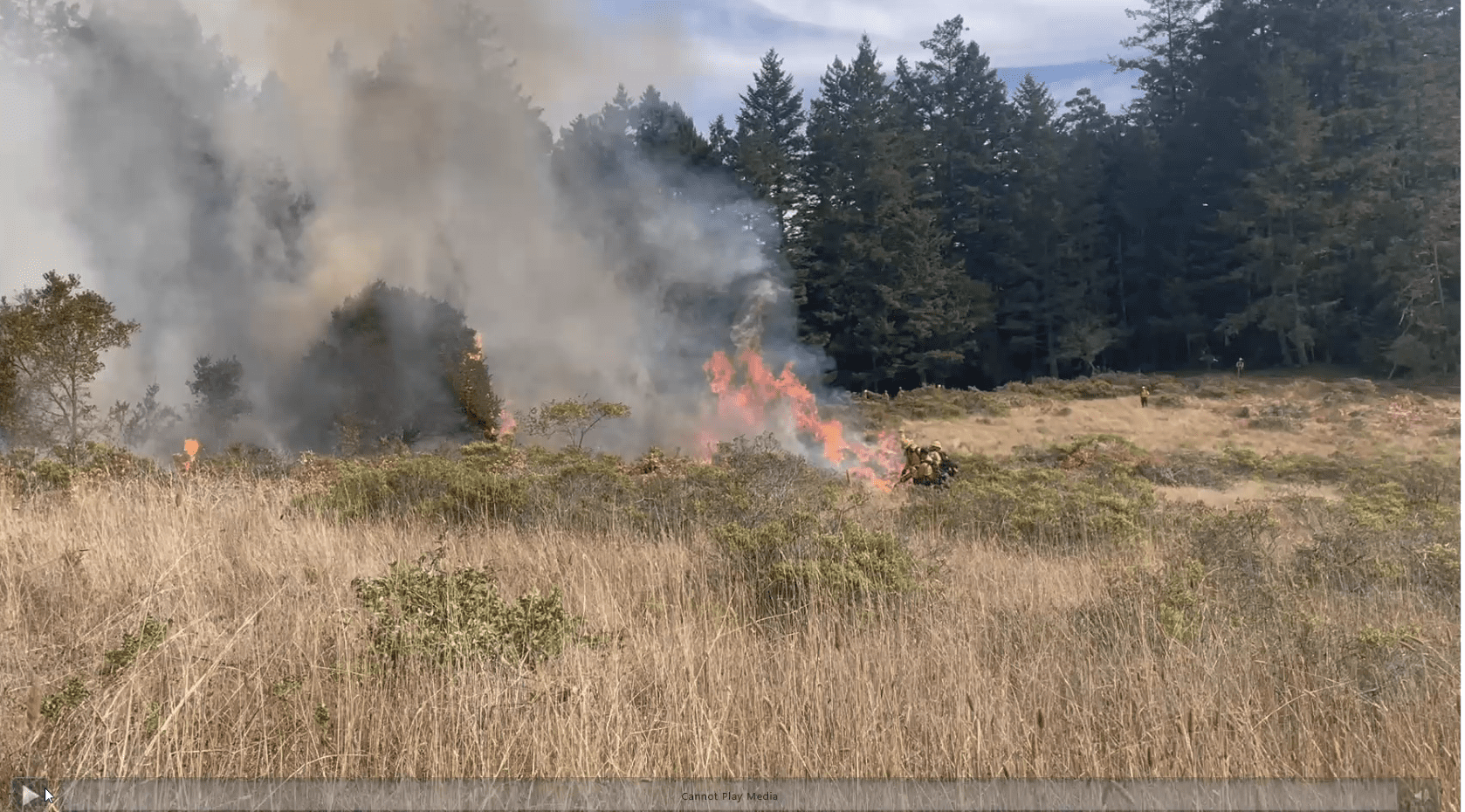
A “prescribed burn” is the controlled use of fire by trained professionals. When planned and monitored carefully, prescribed burns can safely reduce wildfire fuels, improve ecosystem health, and restore balance to the land.
Prescribed burns (also known as “controlled burns”) are set under specific, safe conditions such as the right temperature, humidity, and wind. Every burn follows a detailed plan which is reviewed and approved by local fire agencies and the Bay Area Air Quality Management District. Once underway, the burns are monitored and controlled by fire specialists with public safety precautions in place.
These burns are part of what’s known as beneficial fires, which also includes cultural burning by Indigenous peoples and targeted pile burning for forest management. Together, these practices help reduce wildfire hazards and support healthy, fire-adapted ecosystems.
Prescribed burns bring multiple benefits:
- Reduce the buildup of dry brush and dead vegetation.
- Lower the intensity of future wildfires, giving firefighters a better chance to protect nearby communities.
- Recycle nutrients and result in boosting native plant growth.
- Restore biodiversity and wildlife habitat.
- Eliminate invasive plant species, pests, and potential diseases.
- Honor traditional fire stewardship practiced for many generations in Marin and Sonoma counties by the Federated Indians of Graton Rancheria.
Planning and Safety: How It Works
Prescribed burns take months or even years of preparation. Before lighting a match, crews analyze weather, vegetation, and air quality; survey for sensitive wildlife; prepare the site with fire breaks and safety zones, and other critical components of the overall effort. These burns are scheduled only when conditions allow smoke to disperse safely. The Bay Area Air District and local fire agencies must approve every project before ignition.
On the day of the burn, conditions must exactly match the approved prescription. The National Weather Service provides a custom forecast, and a small test burn confirms if it’s safe to proceed. Afterward, fire crews patrol the area for several days or weeks to ensure all embers remain contained.
What Residents Should Expect
You may see or smell light smoke during a prescribed burn. This is a temporary condition that is closely managed. If you live nearby:
- Stay informed through AlertMarin and by visiting Emergency.MarinCounty.gov. Remember to select the “Prescribed Burns” alert group.
- Keep windows and doors closed. Consider using a HEPA air purifier if there is significant smoke. Visit AirNow.gov for current air quality conditions.
- Limit outdoor activities. If you need to go outside, wear a mask, preferably an N95 mask. Note: A scarf or bandana won’t provide enough protection from smoke.
- Drive carefully, as visibility may be reduced.
- Avoid calling 911 unless you see fire outside the planned burn area.
It is also helpful to follow your local fire department(s) on social media, and use the “Watch Duty” and “PulsePoint” mobile apps for updates.
Wildlife, Smoke, and Carbon
Over millennia, most wildlife in Marin has adapted a response to fire. Animals typically sense the characteristics of fire, and can move away during controlled burns, returning sometime after to feed on new growth and begin the ecosystem resurgence. Prescribed burns are timed to avoid nesting seasons and are far less disruptive than wildfires.
Prescribed burns produce smoke and carbon, but much less than wildfires. By safely reducing vegetation now, we prevent massive emissions and widespread destruction from happening later.
Working Together for a Safer Marin
Across California, about 125,000 acres are treated with prescribed burns each year, though only a small portion occurs in Marin. These burns complement other fuel-reduction strategies like vegetation thinning, chipping, grazing, and invasive plant removal.
Each action, whether a burn or a brush-clearing project, supports the same goal: healthier, safer, more resilient communities.
Learn More and Stay Connected:
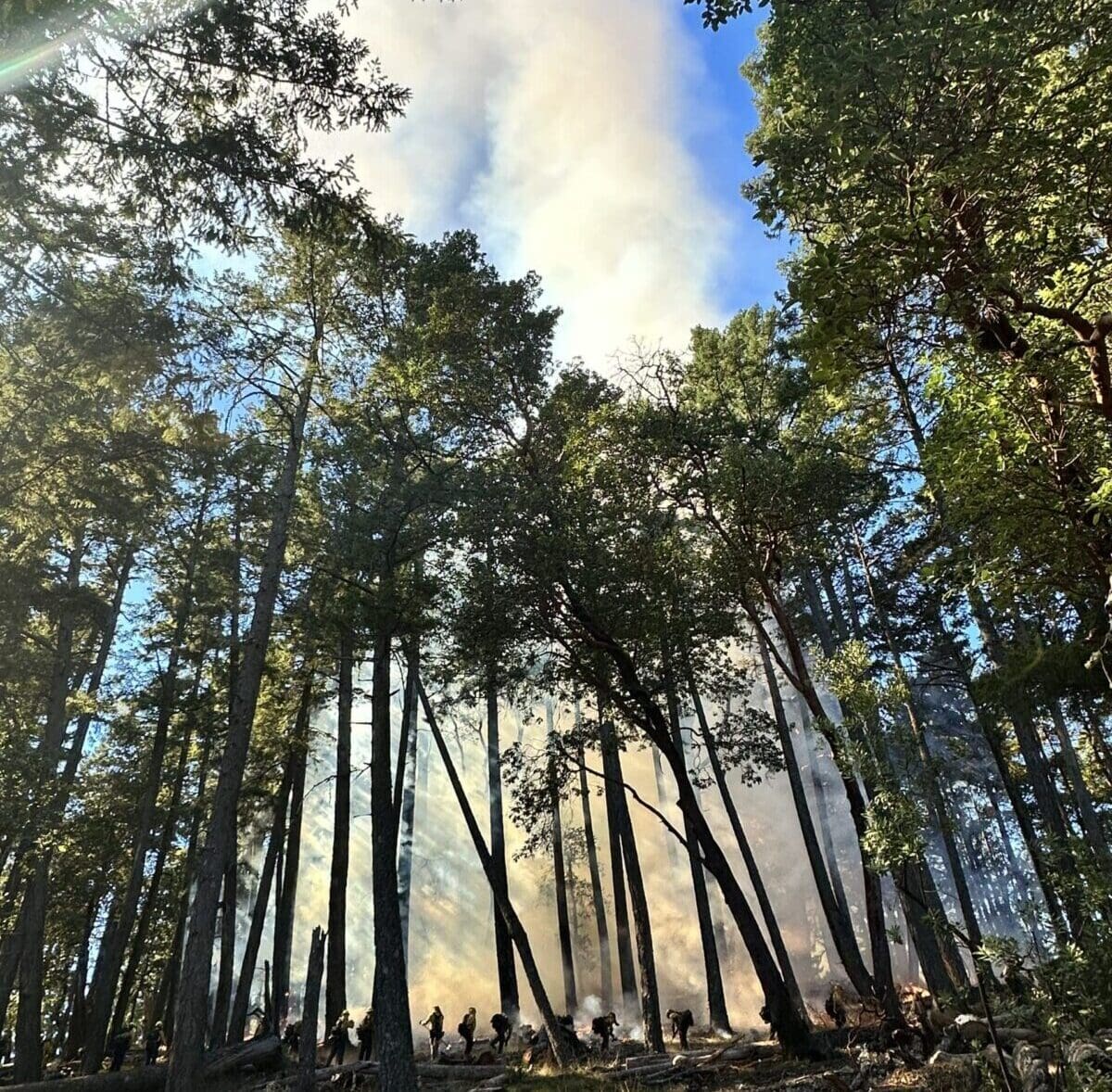
Example of a prescribed burn in Marin
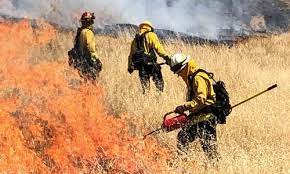
On October 23, 2024, a prescribed burn was conducted on Mount Tamalpais near the historic Mountain Theater, coordinated by Marin Water, California State Parks, and Marin County Fire Department. The operation was initially planned to cover approximately 18 acres. However, shifting weather and humidity levels moved conditions outside the permitted parameters, necessitating a reduction of the treatment area to one acre.
Along with its well-established public safety and ecological benefits, prescribed burns provide a significant and often overlooked advantage: real-world firefighter training. Prescribed burns, sometimes referred to as controlled burns, offer firefighters a rare opportunity to observe fire behavior outside of traditional suppression operations or standard training grounds. Firefighters gain firsthand insights into how weather, topography, and vegetation influence flame movement, spread patterns, and smoke production. This operational experience strengthens the skills needed to respond effectively to future wildfire events, both within Marin County and through mutual aid across the state.
This particular burn was visible to park visitors from approved locations, providing an opportunity for the public to observe the planning, collaboration, and safety measures involved in using prescribed burns on public lands. While certain areas were restricted for safety and operational needs, the agencies involved provided this public transparency to help build community understanding and trust. Public support remains essential for expanding the appropriate use of prescribed fire, especially in regions where decades of fuel accumulation have elevated wildfire risk.
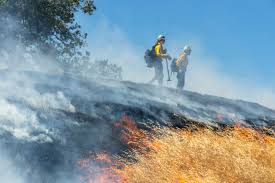
The suitable window for conducting prescribed burns is often narrow. Agencies must be prepared to act quickly when weather patterns, moisture levels, and operational resources align. Despite these challenges, prescribed burns continues to play a critical role in restoring ecosystem health and enhancing community resilience. By reducing hazardous vegetation and improving overall forest conditions, these efforts help safeguard Marin’s natural landscapes and the communities that border them.