Prepare Now for Wildfire Weather Conditions
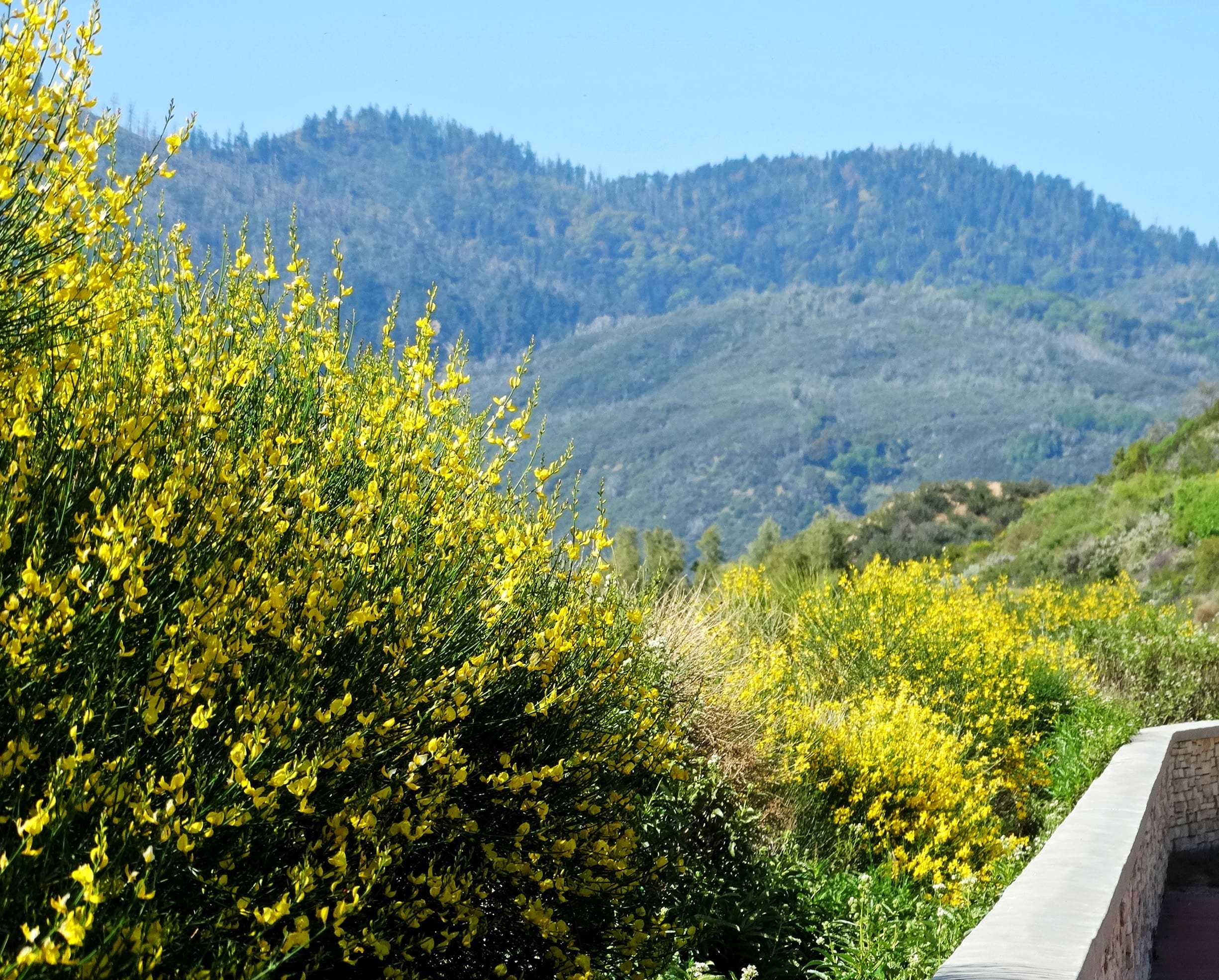
March is a great time to remove invasive plants and prepare your landscape for fire season. Invasive species grow quickly, crowd out beneficial plants, and often create dense, highly flammable fuel. Removing and replacing them now helps reduce wildfire risk while supporting a healthier, more resilient yard.
Invasive plants spread through seeds, underground stems (rhizomes), and above-ground runners (stolons). Early removal prevents them from expanding further as the weather warms.
Zone 0 (0–5 Feet from Structures)
Zone 0 is the most important area for reducing ignition risk around your home.
- Prioritize removing all vegetation within five feet of structures to help protect against embers and radiant heat.
- Remove invasive vines and climbing plants, such as ivy, from building walls.
- Consider installing metal edging to prevent invasive roots, rhizomes, and runners from spreading into this zone.
- Regularly inspect for and remove new invasive seedlings, especially after rain.
Keeping this zone clear is one of the most effective ways to reduce structure ignition risk.
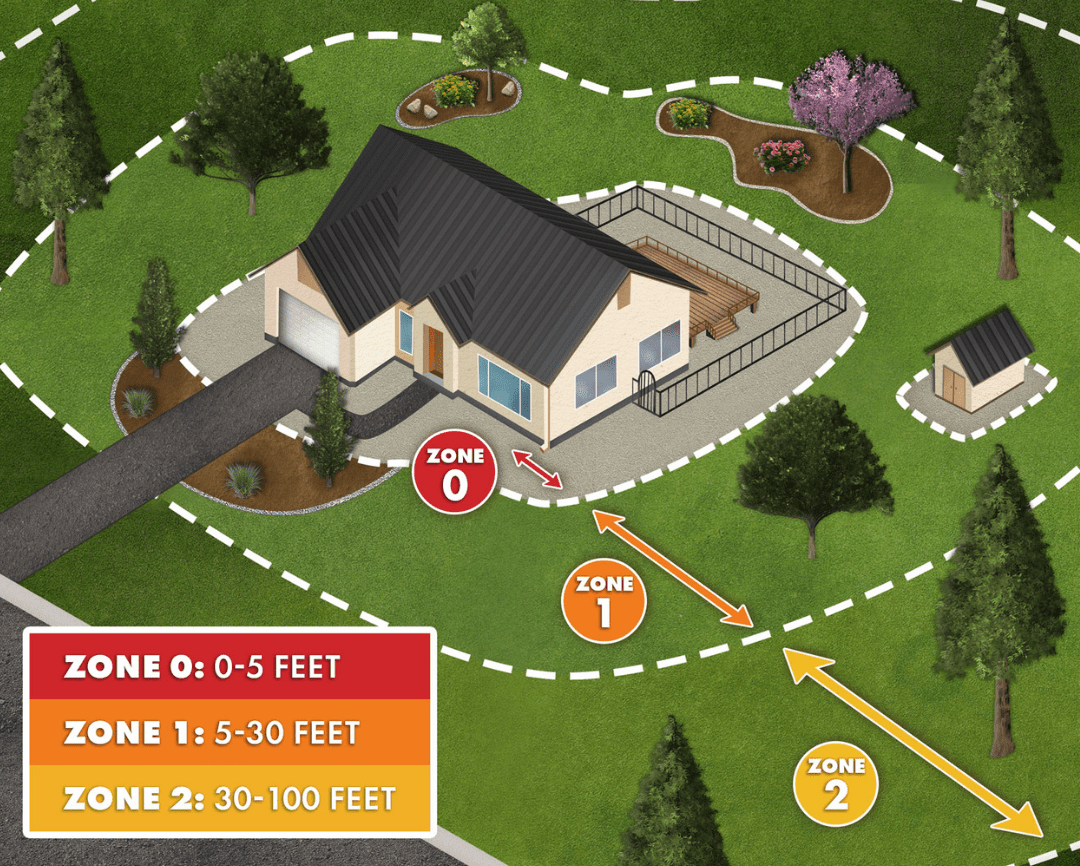
Zone 1 (5–30 Feet) and Zone 2 (30–100 Feet)
In Zone 1 and Zone 2, focus on reducing dense fuels and replacing invasive plants with fire-smart alternatives:
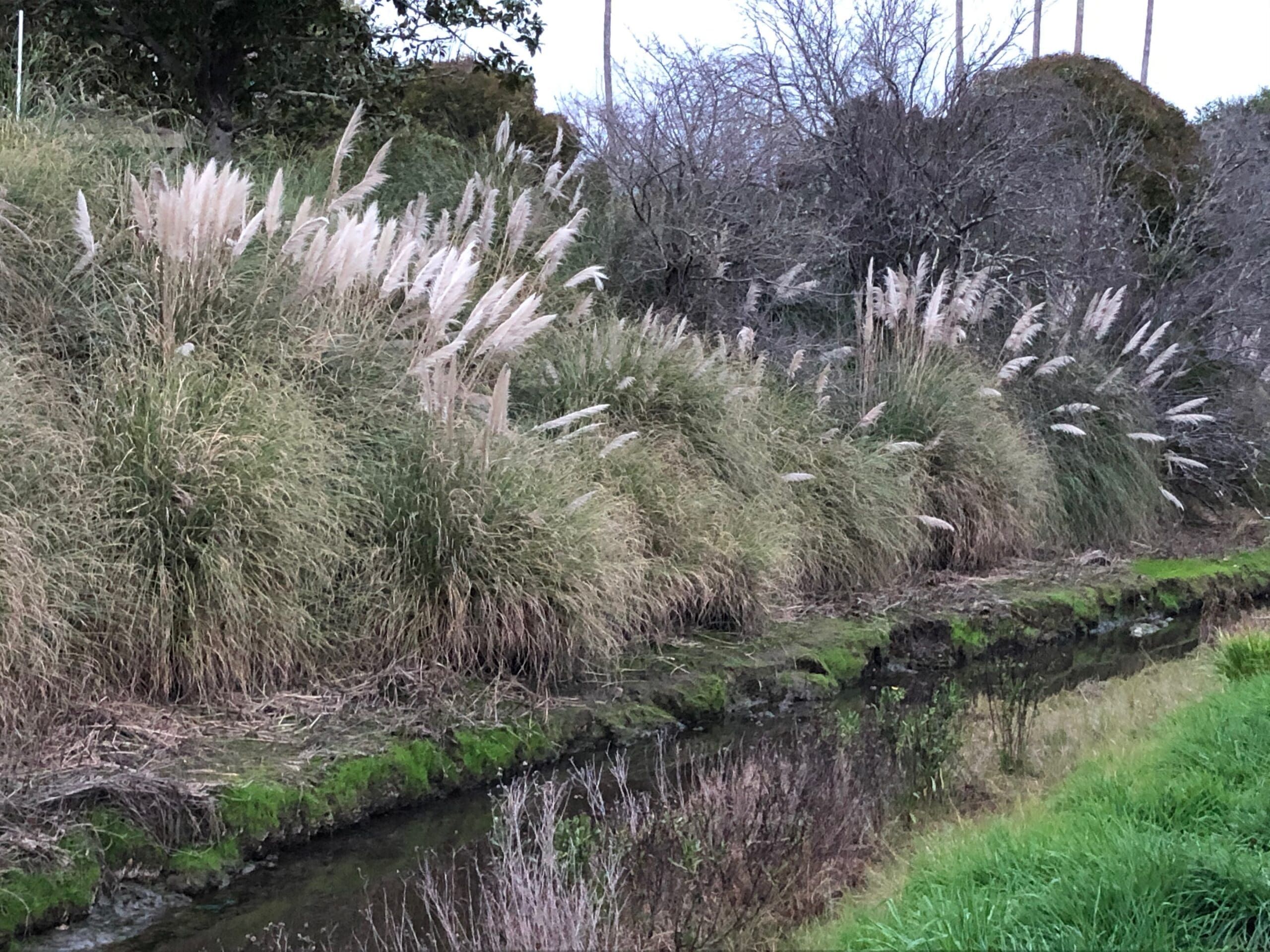
- Prioritize removing woody and dense invasives such as broom, bamboo, and pampas grass to reduce available fuel.
- Remove invasive vine growth from trees to help prevent fire from reaching tree canopies.
- Replace undesirable plants with less aggressive varieties of California native plants, pollinator-friendly species, and low-water-use plants that offer many fire-smart options.
When selecting replacement plants:
- Choose plants that retain higher moisture, grow slowly, require low maintenance, and contain low levels of oily resins.
- Avoid plants with dense or thatch-like branching.
- Select species that will remain an appropriate size at maturity to maintain proper fire-smart spacing.
- Use appropriate spacing based on the distance from structures and the slope of the ground.
After removal:
- Cover bare soil with fire-smart mulch, such as medium-sized wood chips, to prevent weeds and opportunistic plants from establishing.
- Do not use gorilla hair mulch.
- Continually monitor cleared areas for new growth.
Learn More
Taking action now helps protect your home, your neighborhood, and Marin’s natural beauty before peak fire season arrives. Explore additional guidance on:
For more information on fire-smart gardening and plant selection, visit the Marin Master Gardener website.