Wildfire risk to homes is shaped not only by nearby open space, but by conditions on individual properties. Wildfire preparedness is a shared responsibility that requires coordination, a defined process, and a clear plan of action.
As part of the update to Marin County’s Community Wildfire Protection Plan (CWPP), fire experts worked with local fire departments and defensible space inspectors to analyze residential inspection data across the county.
The findings are clear. During a wildfire, many Marin homes are likely to face intense conditions, including fast-moving flames and wind-driven embers. In extreme fire weather, firefighters may not be able to safely defend every structure, making homeowner action one of the most effective ways to reduce loss.
Why Individual Properties Matter
About one-third of Marin homes are located where high-severity, fast-moving wildfires are likely to reach neighborhoods, creating wildfire “entry points” into the built environment.
Many neighborhoods also have closely spaced homes, increasing the risk of structure-to-structure ignition. Together, intense fire behavior, ember exposure, and close building spacing mean that small vulnerabilities on a single parcel can lead to much larger community losses.
Defensible Space Home Evaluations in Marin County
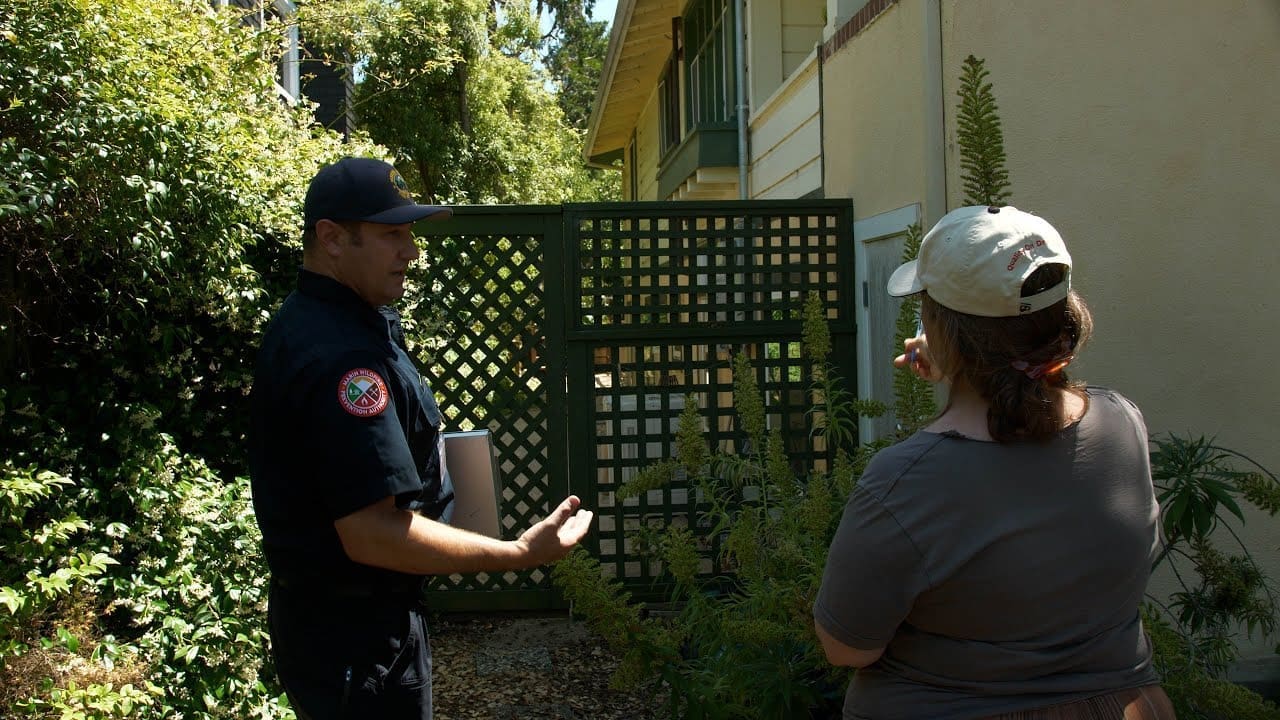
Fire agencies in Marin conduct thousands of defensible space and home-hardening evaluations each year. After each visit, residents receive a personalized wildfire risk report identifying specific issues on their property.
While inspection coverage is high, follow-through remains limited. Fewer than half of residents open their reports, and only about one quarter address more than half of the identified issues. Closing this gap between inspection and action is the single largest opportunity to reduce wildfire risk in Marin.
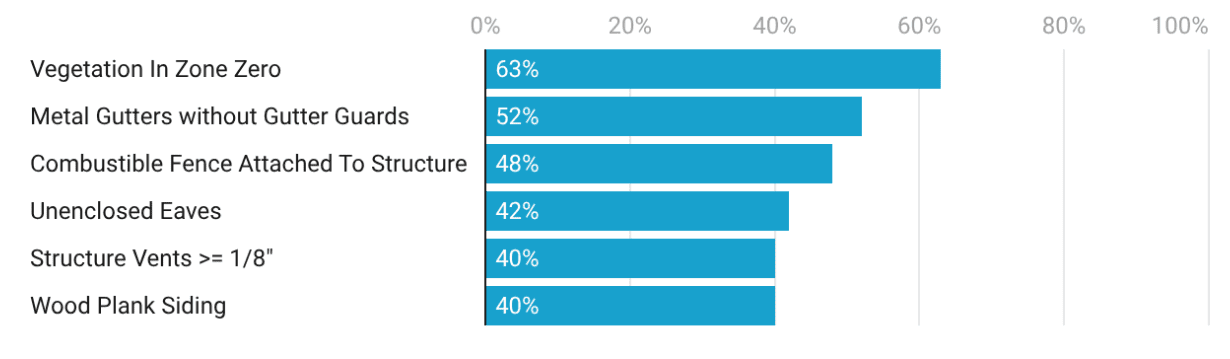
Common Vulnerabilities Identified Across Marin
Analysis conducted for the CWPP update identified several recurring risk factors with the greatest potential to reduce community wildfire risk.
Vegetation in Zone 0 (0–5 feet from the home)
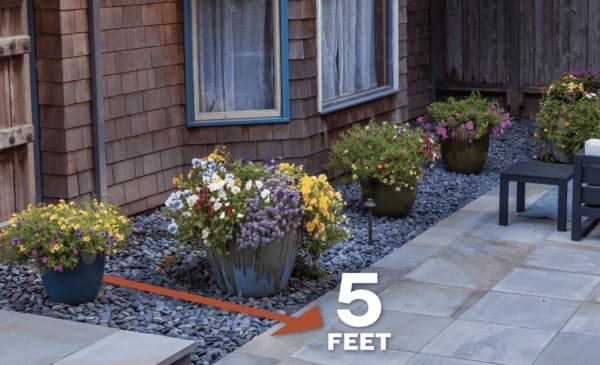
Combustible materials within five feet of a structure, known as Zone 0, are among the most common and hazardous findings in Marin. This area is where embers most often land and ignite.
Nearly two-thirds of residential parcels have vegetation or combustible materials in Zone 0. Removing plants, mulch, wood chips, and stored items, and replacing mulch with gravel or other non-combustible ground cover, can significantly improve a home’s chance of surviving wildfire exposure.
Combustible Fences
Wood and other combustible fences can carry fire directly to siding, decks, or vents. About half of residential parcels in Marin have a wooden fence connected to the home.
Replacing fences that touch a structure with a non-combustible material, such as metal or masonry, can prevent fire from reaching the building.
Attic and Foundation Vents
Roughly two in five homes have attic or foundation vent screens with openings larger than one-eighth of an inch, allowing embers to enter and ignite the home from the inside.
Installing ember-resistant vents or adding fine metal mesh with openings smaller than one-eighth of an inch is a highly effective, cost-efficient way to reduce ignition risk.
A Shared Responsibility for Safer Neighborhoods
Wildfire adaptation is a parcel-by-parcel effort that strengthens entire communities. Some of the most effective steps are practical and achievable:
- Remove combustible items and “fire fuels” that are near to your home
- Separate combustible connections to buildings
- Keep embers out using easy to find and installed elements such as ember-resistant vents
These targeted actions reduce the likelihood that a single home becomes the starting point for wildfire spread. It also improves firefighters’ ability to safely defend neighborhoods during extreme fire conditions.

Next steps using Fire Safe Marin’s resources
Small actions make a big difference:
- Have a wildfire risk home evaluation and review your inspection report
Focus on the highest-risk items for your property. - Start with Zone 0
Clear combustible materials within five feet of your home. - Harden key features
Upgrade vents and address combustible fencing. - Use Fire Safe Marin’s resource library
Access free guidance, tools, and local support.
Protect your home. Strengthen your neighborhood. Need guidance? Contact us.
Funding for Fire Safe Marin’s participation in the CWPP project was provided by a grant from the California Department of Forestry and Fire Protection as part of the California Climate Investments Program, through the California Fire Safe Council.
Funding for the Community Wildfire Protection Plan (CWPP) Update Project comes from Measure C funds through Marin Wildfire.