IN THE EVENT OF AN EMERGENCY THIS SITE IS NOT MONITORED. FOR CURRENT INFORMATION GO TO HTTPS://EMERGENCY.MARINCOUNTY.GOV.
New Zone 0 Regulations
What is Zone 0
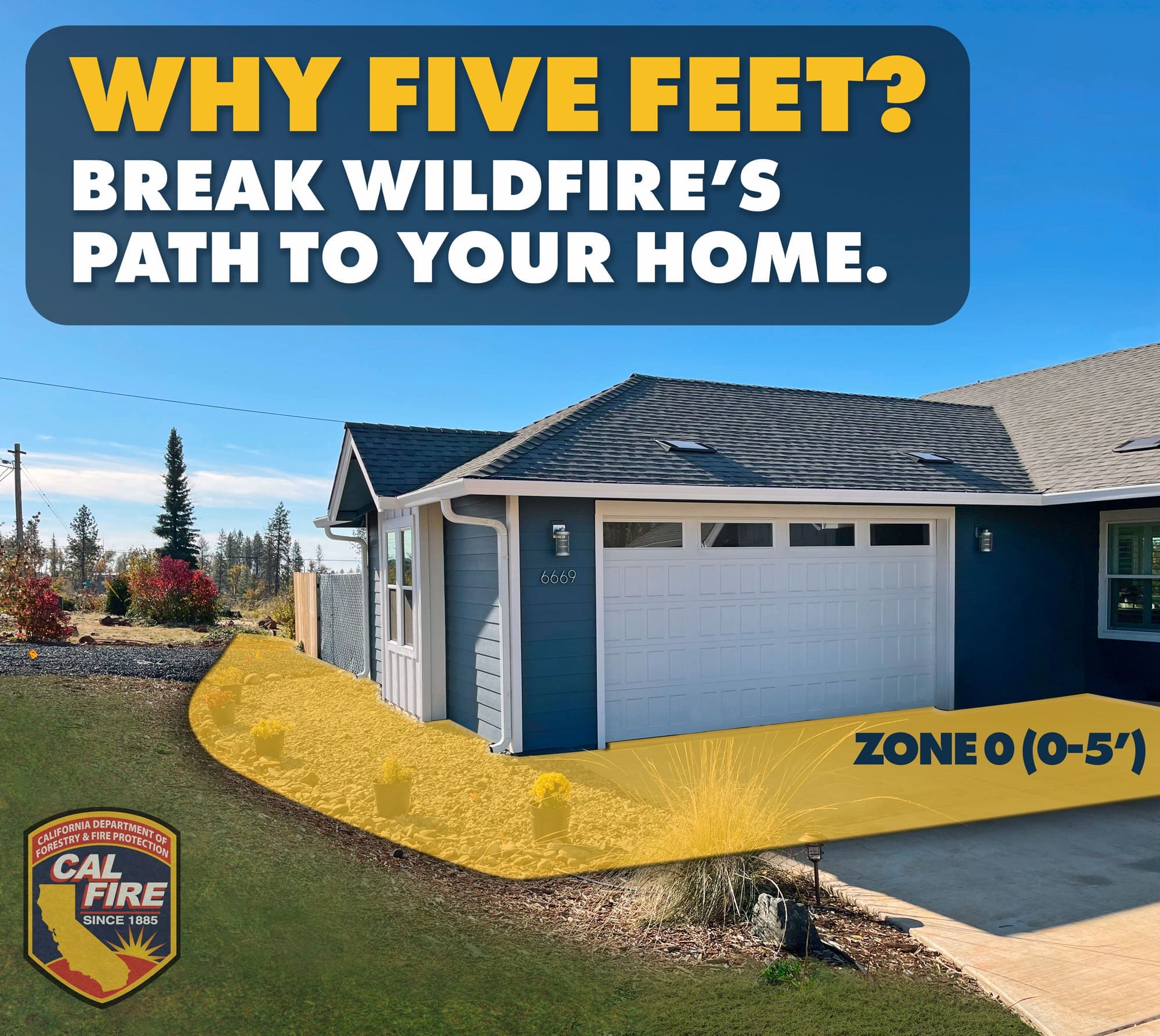
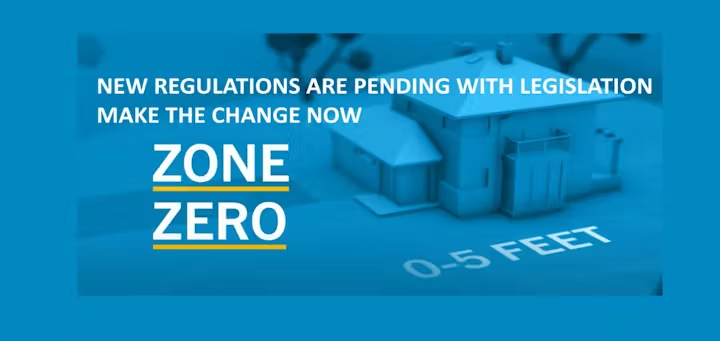
Zone 0 is defined as the area from 0 to 5 feet out from a building’s exterior walls, deck, or attached structures. It’s the portion of the property immediately adjacent to the structure and includes the ground, walls, fences attached to the home, and anything else physically connected to the building.
Agencies such as CAL FIRE call it the “ember-resistant zone” because this is where wind-blown embers most often land during a wildfire and where a home is most likely to ignite if combustible material is present.
In short: Zone 0 = the first 5 feet around and under a structure, the area closest to the home that’s most vulnerable to embers.
What is the New Legislation
Assembly Bill 3074, approved in 2020 with unanimous bipartisan votes in the State Legislature, requires the California State Board of Forestry and Fire Protection to develop rules on what homeowners in high wildfire risk areas can keep in a 5-foot zone—also called “zone zero” adjacent to their homes. Following the recent Los Angeles fires, on February 6, 2025, Governor Newsom issued Executive Order N-18-25 directing the Board to complete the formal rulemaking process by December 31, 2025. Research and post-fire analyses found that the vast majority of homes burn during wildfires due to accumulation of embers, which winds often carry far ahead of the flames. Embers are often the source of ignition for combustible material within 5 feet of the structure.
The regulations are still under review and subject to change.

Why Do We Need New Zone 0 Rules
California needs new Zone 0 rules because decades of fire science now clearly show the first five feet around a building are the most important for preventing home ignition. Regulating this zone closes the biggest gap in previous defensible space laws and dramatically increases the chance a home survives a wildfire.
Who Will Be Impacted by the New Rules
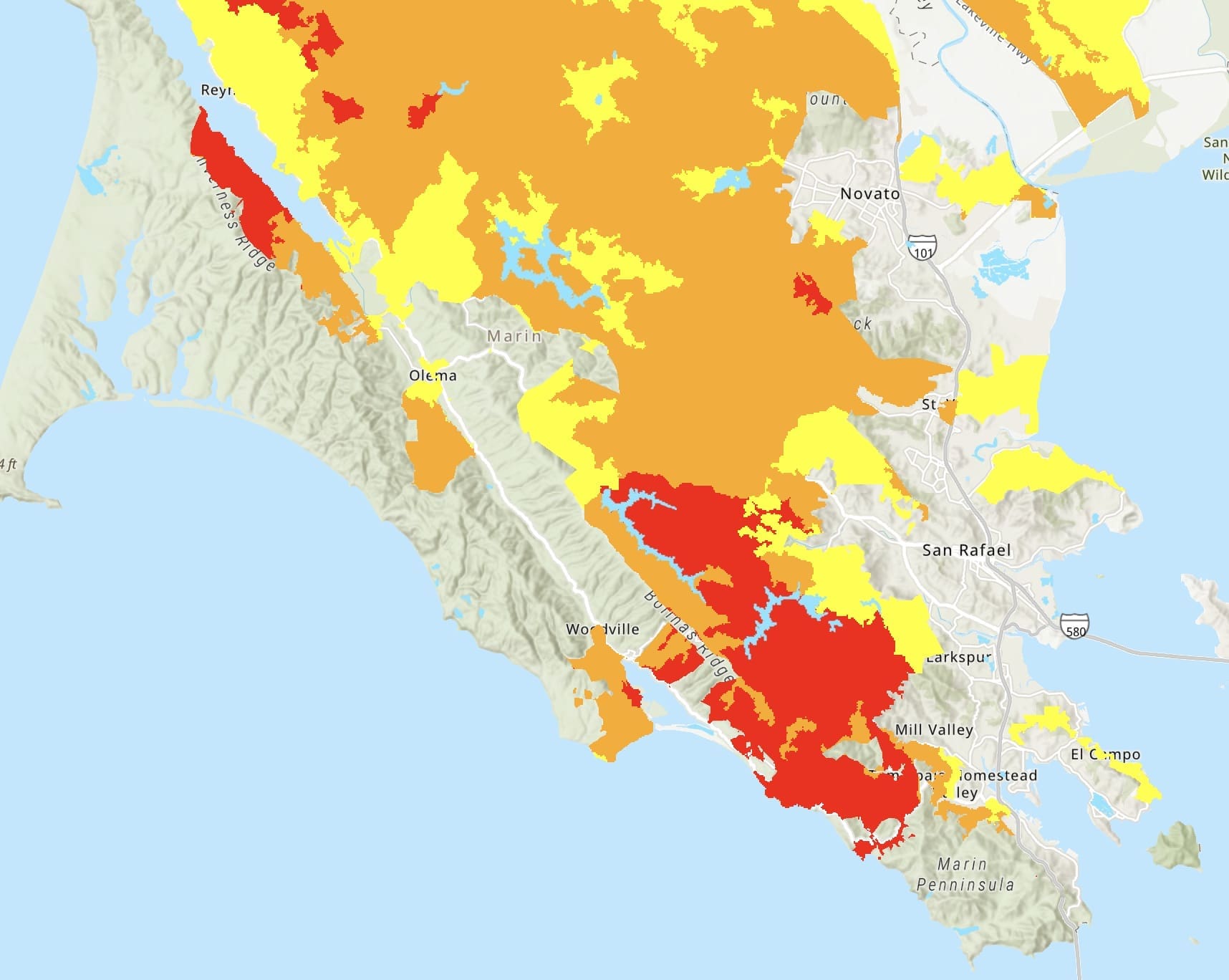
New Zone 0 rules will apply to all areas identified as a State Responsibility Area (SRA) and “very high” fire hazard severity zones in Local Responsibility Areas (LRA). Unincorporated areas in Marin are generally SRA’s and local cities and towns are LRA’s.
When Do New Rules Go Into Effect
The State of California is aiming to finalize the “Zone 0” (ember-resistant defensible space, 0–5 ft) rules by December 31, 2025 under Executive Order N-18-25.
Once adopted:
-
The rules will apply immediately to new construction/structures.
-
Existing homes will have a three-year phase-in period to comply.
So, practically speaking, for new builds the rules would take effect soon after final adoption (likely early 2026), and for current homes by end of 2028 (three years after adoption).
What Materials are Prohibited in Zone 0
Proposed Prohibited / Restricted Materials in Zone 0
-
Grass
-
Ornamental plants
-
Native plants
-
Shrubs & branches
-
Fallen leaves, tree needles & weeds
-
Combustible mulches (e.g. bark, woodchips)
-
Combustible boards & timbers
-
Firewood
-
Synthetic lawn
-
Window boxes (attached)
-
Trellises
-
Combustible gates (directly attached)
-
Combustible fences (within 5 ft or attached)
-
Outbuildings (unless built to fire-resistant standards)
-
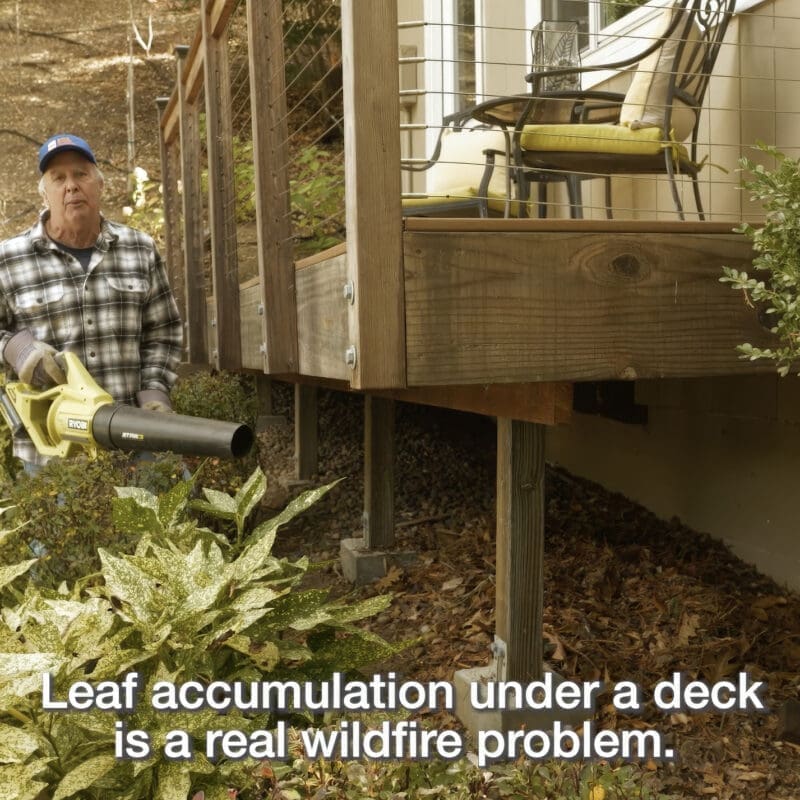
Vegetative material under/around decks, balconies, stairs

Permitted Features and Materials
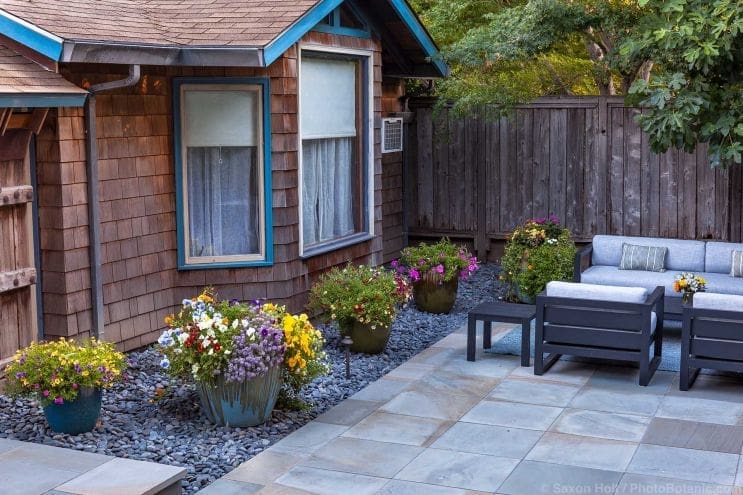
- Hardscaping: Gravel, pavers, concrete, or rock are permitted and are a crucial part of creating an ember-resistant zone.
- Potted Plants: A limited number of potted plants may be allowed if they meet specific criteria:
- They are 18 inches or shorter.
- They are in non-combustible containers no larger than five gallons.
- They are placed away from windows, doors, or vents.
- They are moved out of Zone 0 during high fire-risk periods (like Red Flag Warnings).
- They are 18 inches or shorter.
- Trees are allowed in Zone 0 as long as they are maintained and their lower branches are pruned to prevent fire from climbing into the canopy of the tree. Maintained trees cannot have dead and dying branches, and no branches should be within 5 feet of the roof or walls or 10 feet of chimneys.“Single specimen” trees (or live trees that stand alone and where there is no vertical overlap with the canopy of other trees, and lower branches are pruned to prevent ignition) and trees protected by local ordinance have exceptions from the regulations.
- Movable Furniture: Metal or other non-combustible outdoor furniture is allowed.
Maintenance and Other Requirements
- Clear Debris: Regularly clear all dead plants, weeds, leaves, and needles from your roof, gutters, and decks.
- Maintain Trees: Remove any dead or dying branches from trees.
- Trunk Clearance: Ensure that the lowest branches of any tree are at least 10 feet away from chimneys or stovepipe outlets.
- Storage: Do not store firewood, lumber, propane tanks, or trash bins within this area. Move them at least 30 feet away or place them in non-combustible enclosures.