Marin’s open spaces, forests, and watersheds define the character of the county, from the trails we hike to the water we drink. While these beautiful landscapes are important environmental resources, they also contribute fuel for wildfires. Thoughtful stewardship of our open spaces is needed to reduce the risk of wildfire for nearby homes and to help our ecosystems thrive.
The new Marin Community Wildfire Protection Plan (CWPP) uses simulation modeling to show land managers and fire preparedness professionals where wildfire could spread through Marin’s open spaces and affect nearby communities. This detailed planning will highlight how local ecosystems, recreation areas, and water resources align with threats to life and property. The result will be a toolkit to help officials identify locations where fuel reduction efforts, such as controlled burns, can be most beneficial for communities and ecosystems alike.
Protecting Communities Where It Matters
Wildfires often start in open spaces, where grasslands, forests, and other vegetation serve as fuel for the ignition and spread of fire. When wildfires burn through vegetation and reach neighborhoods, they endanger both property and public safety.
However, these landscapes aren’t just risk factors. The same open spaces that allow fire to spread also help create clean water and provide habitat for native animal and plant species, including some that are only found in California. Marin’s landscapes create unique recreation opportunities, bring visitors that support the local economy, and help stabilize the climate through carbon storage.
Strategic planning helps preserve Marin’s valuable “ecosystem services” while reducing the risk of disastrous wildfires. The new CWPP strengthens the link between community safety and environmental health by illustrating how fires can spread across the landscape and where fire risk can be reduced through ecosystem stewardship.
Restoring the Role of Fire
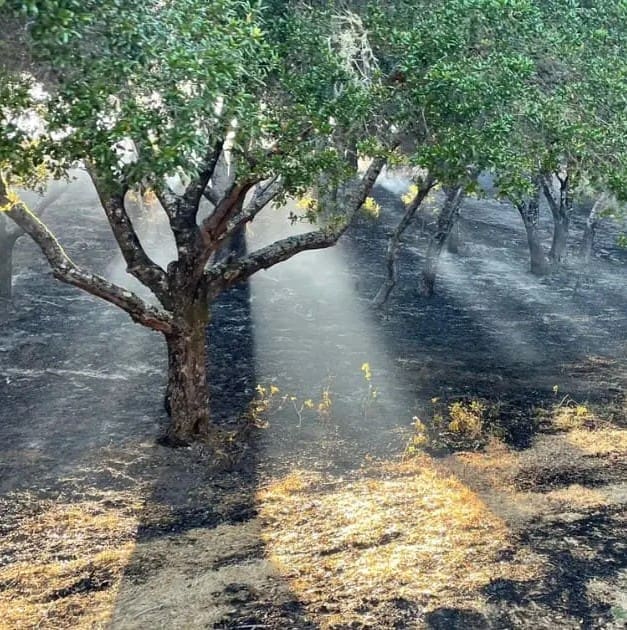
For centuries, low-intensity fires, many of which were intentionally set by Indigenous peoples, have kept California’s ecosystems in balance. Fire cleared excess vegetation, recycled nutrients, eliminated pests and disease, and encouraged the growth of native plants. But a century of fire suppression has interrupted that cycle, leaving dense, dry fuels that feed today’s larger and more destructive wildfires.
Reintroducing “good fire” through controlled prescribed burning helps restore ecological balance. When done under the right conditions, these carefully managed fires reduce fuel buildup, support habitat health, and make future wildfires easier to control.
Investing in fire-resilient communities by improving defensible space and home hardening creates the conditions needed to safely bring beneficial fire back to our landscape.
Safeguarding Water, Recreation, and Wildlife
Severe burns can damage watersheds, leading to erosion, sedimentation, and water contamination. The CWPP will identify areas, such as rivers, reservoirs, and watersheds, where vegetation management can most effectively protect both water quality and ecosystem functionality.

A California red-legged frog, a rare species in Marin.
The plan also highlights Marin’s parks, trails, and open spaces, which are vital to community well-being and the local economy. High-severity fires can close trails for months and alter landscapes for years, sometimes permanently. Proactive fire management helps keep these areas accessible, preserving the outdoor recreation culture that defines Marin.
Additionally, rare species such as the California red-legged frog and Bishop pine forests are uniquely vulnerable to intense wildfires. The CWPP will use new data to map where biodiversity is most at risk and help guide strategies that use prescribed fire to promote long-term resilience.
Planning for the Future
The CWPP envisions a risk reduction strategy that reduces the threat of fire for our communities while preserving critical ecosystem services and reintroducing “good fire”. Through continual updating, this plan will serve as a roadmap for the years ahead, guiding local and regional efforts to reduce wildfire risk, restore ecological health, and enhance community preparedness.
Together, these actions will make Marin safer, more sustainable, and more resilient; protecting both the people who call it home and the natural treasures that make it extraordinary.
For more information, visit Marin Wildfire’s CWPP webpage.
Funding for Fire Safe Marin’s participation in the CWPP project was provided by a grant from the California Department of Forestry and Fire Protection as part of the California Climate Investments Program, through the California Fire Safe Council.
Funding for the Community Wildfire Protection Plan (CWPP) Update Project comes from Measure C funds through Marin Wildfire.