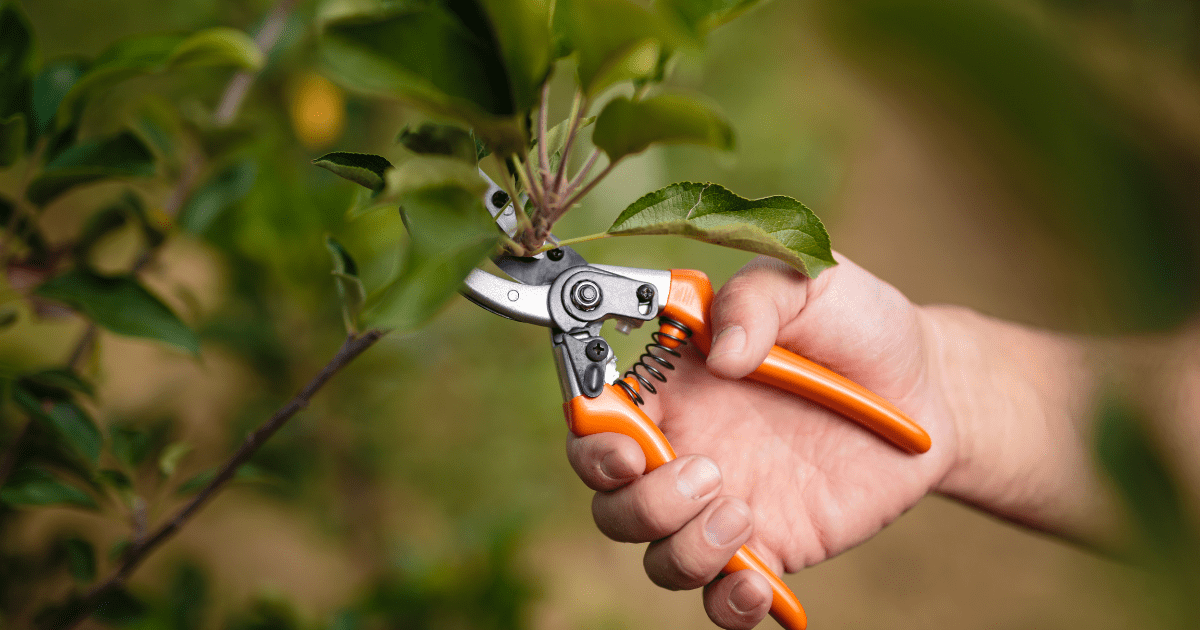
Time to Prune
Winter is one of the best times to prune plants with wildfire safety in mind. While all plants can burn, thoughtful pruning and spacing now can reduce potential fire fuels and help slow or interrupt the path of fire toward your home during wildfire season.
Removing excess growth, dead material, and hazardous branch placement improves plant health while reducing ember ignition and flame spread risks. This work aligns perfectly with defensible space and Zone 0 best practices.

Want to learn how to prune?
Register now for the UC Agriculture & Natural Resources online class on pruning deciduous trees.
Event: February 4, 10:00am to 12:30pm
First & Foremost: Zone 0
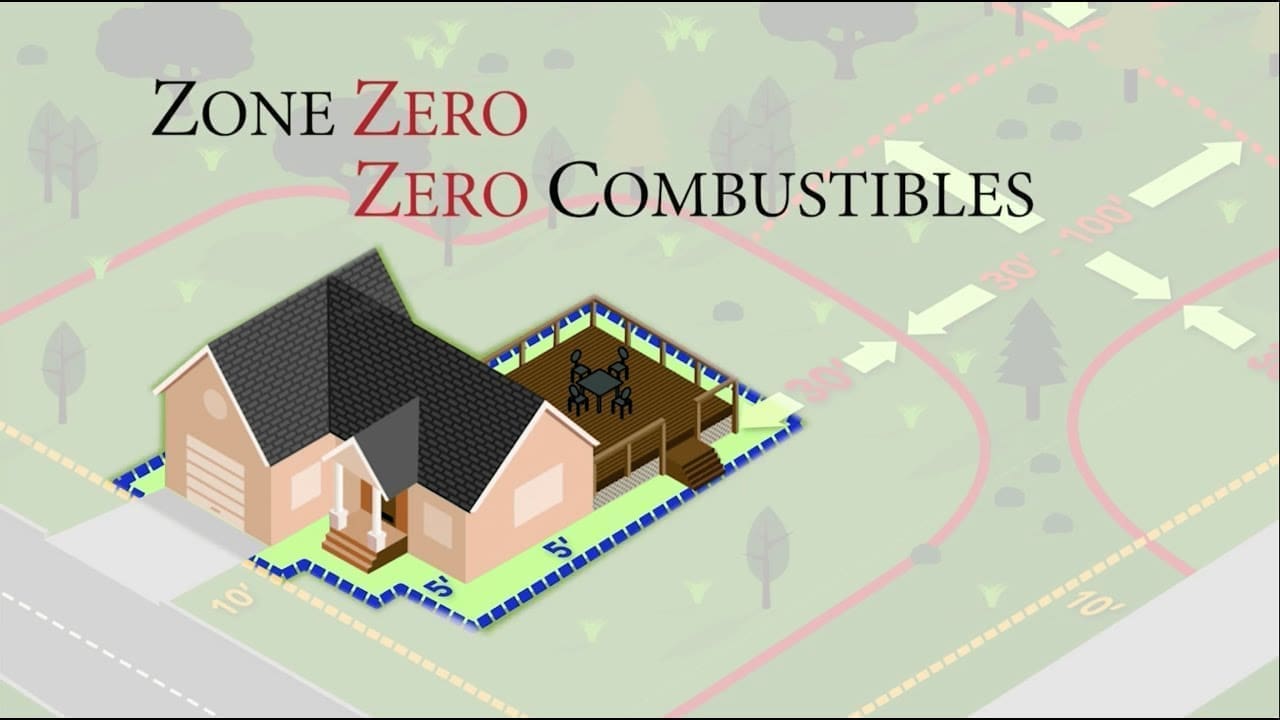
Zone 0 is the area within 0–5 feet of your home. This zone plays an outsized role in whether a home ignites during a wildfire, particularly from embers.
In Zone 0, the goal is simple: eliminate combustible material next to the home.
- Remove dead plants, branches, and accumulated debris
- Trim back any vegetation touching siding, decks, roofs, or eaves
- Clear leaves and needles from roofs and gutters, especially after storms
- Best practice: No plantings within 5 feet of the structure
Prune Safely for You and Your Landscape
Before pruning, understand proper timing and technique to protect plant health. Some plants, including many California natives, should be pruned during dry summer months when dormant.
For safety and long-term results:
- Consult a certified arborist for large trees or major cuts
- Hire a professional when pruning near power lines or structures
Pruning for Wildfire Safety, From the Home to Beyond
Once Zone Zero is addressed, work outward from your home:
- Remove Dead and Dying Vegetation: Dead branches and plants ignite easily and should be removed throughout the landscape. Regularly clear plant debris from roofs and gutters.
- Maintain Chimney Clearance: Remove branches within 10 feet of chimneys to reduce ignition risk from sparks.
- Reduce Vegetation Near Structures:
- Vegetation close to the home increases debris buildup and exposure to embers.
- Trim branches within 5 feet of roofs and siding
- Maintain separation between plant groupings near the home
- Best Practice: No vegetation within 5 feet of the home
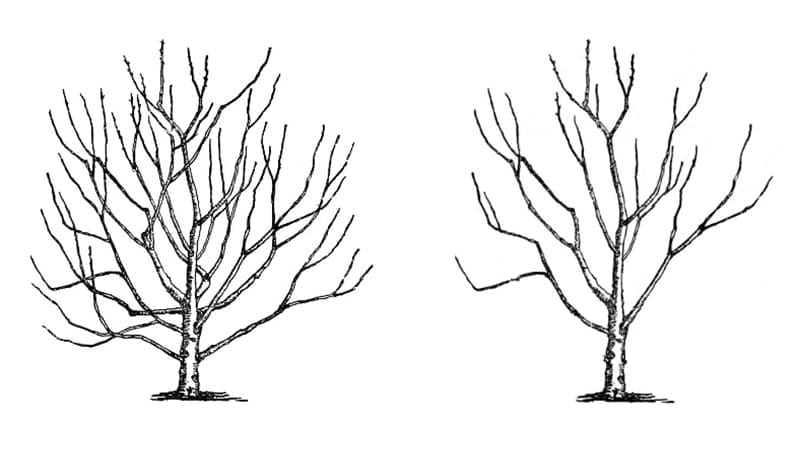
- Thin Dense Growth: Dense foliage traps dead material that can ignite from embers. Thinning improves airflow and reduces hidden fire fuel.
- Keep Evacuation Routes Clear: Trim branches along walkways, driveways, and roads to ensure safe evacuation and emergency access.
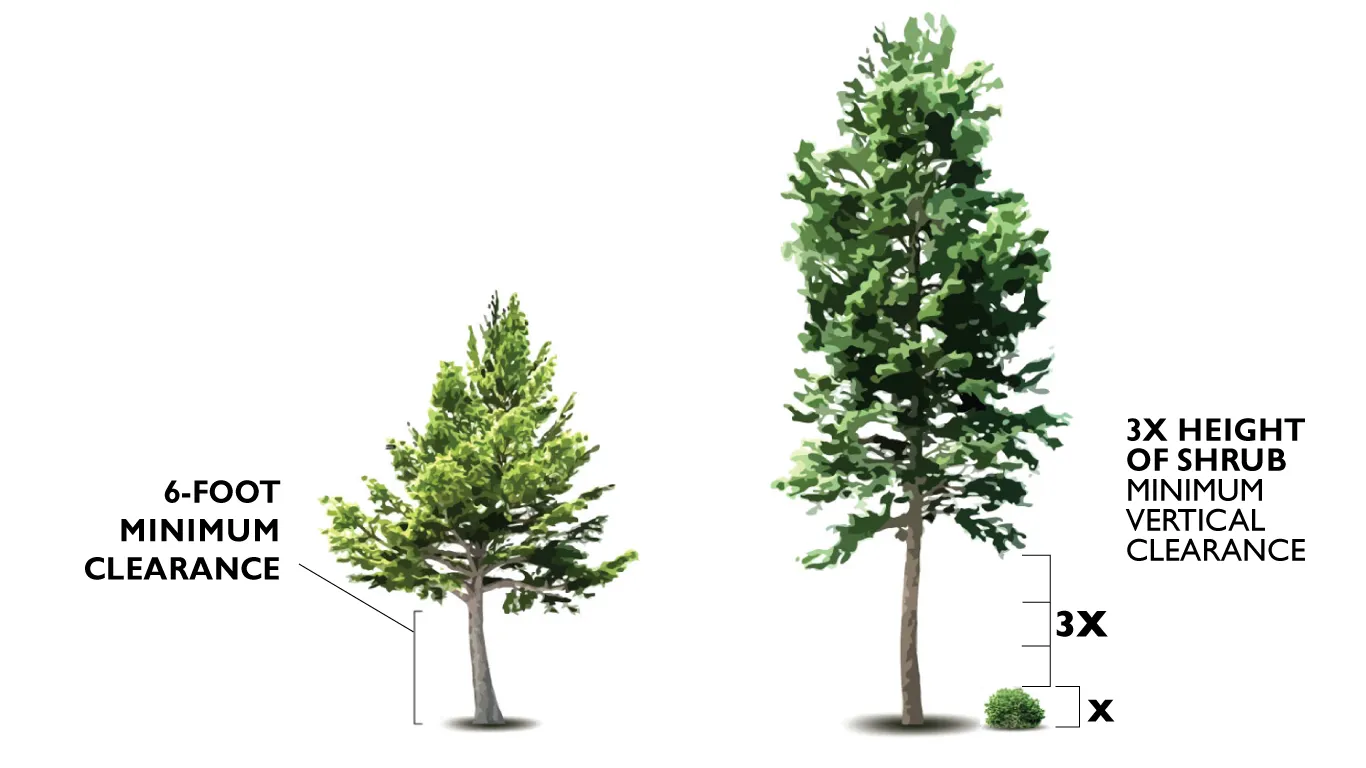
- Limb Up Trees and Maintain Vertical Spacing: Lower branches can act as ladder fuels, allowing fire to move into tree canopies.
- For small or young trees, remove lower branches while keeping at least two-thirds of the tree’s height in the canopy
- Limb up mature trees to 6–10 feet above ground
- Prune or remove vegetation beneath canopies to maintain vertical separation

Learn More and Take Action
- Pruning strategically during winter can significantly reduce your home’s wildfire ignition risk before fire season begins.
- UC Marin Master Gardeners has many pruning how-to guides and seasonal timing information, including videos, to help you succeed.
- Register now for the UC Agriculture & Natural Resources online class on pruning deciduous trees, scheduled for Wednesday, February 4, from 10:00am to 12:30pm.