Public Forum for Your Safety
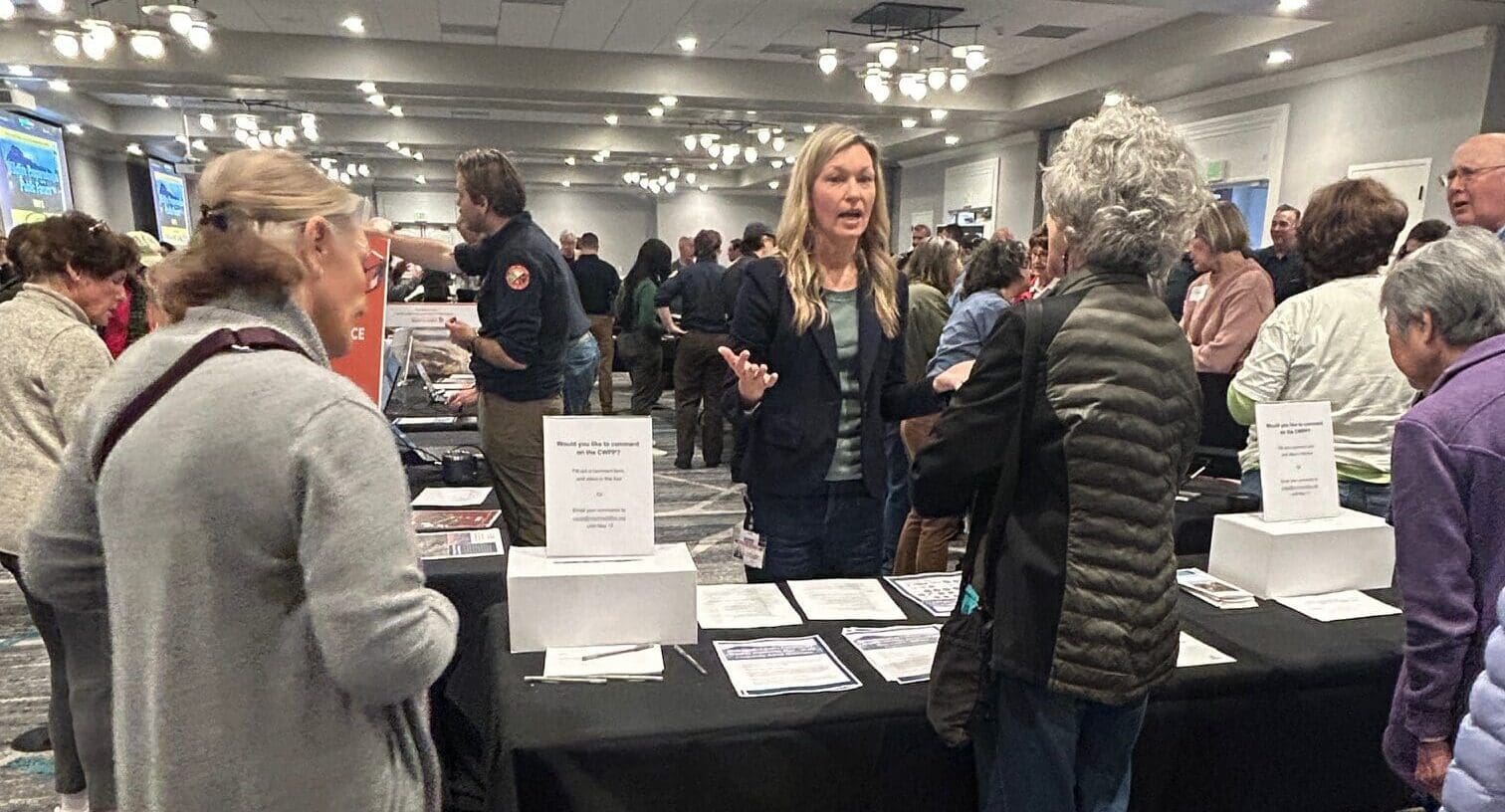
Nearly 200 residents, Firewise leaders, fire professionals, and community members gathered Saturday, May 2, for the Marin Wildfire Preparedness Public Forum. The event featured the unveiling of Marin’s new Community Wildfire Protection Plan (CWPP) and a countywide deep dive into wildfire risk, preparedness, and shared action.
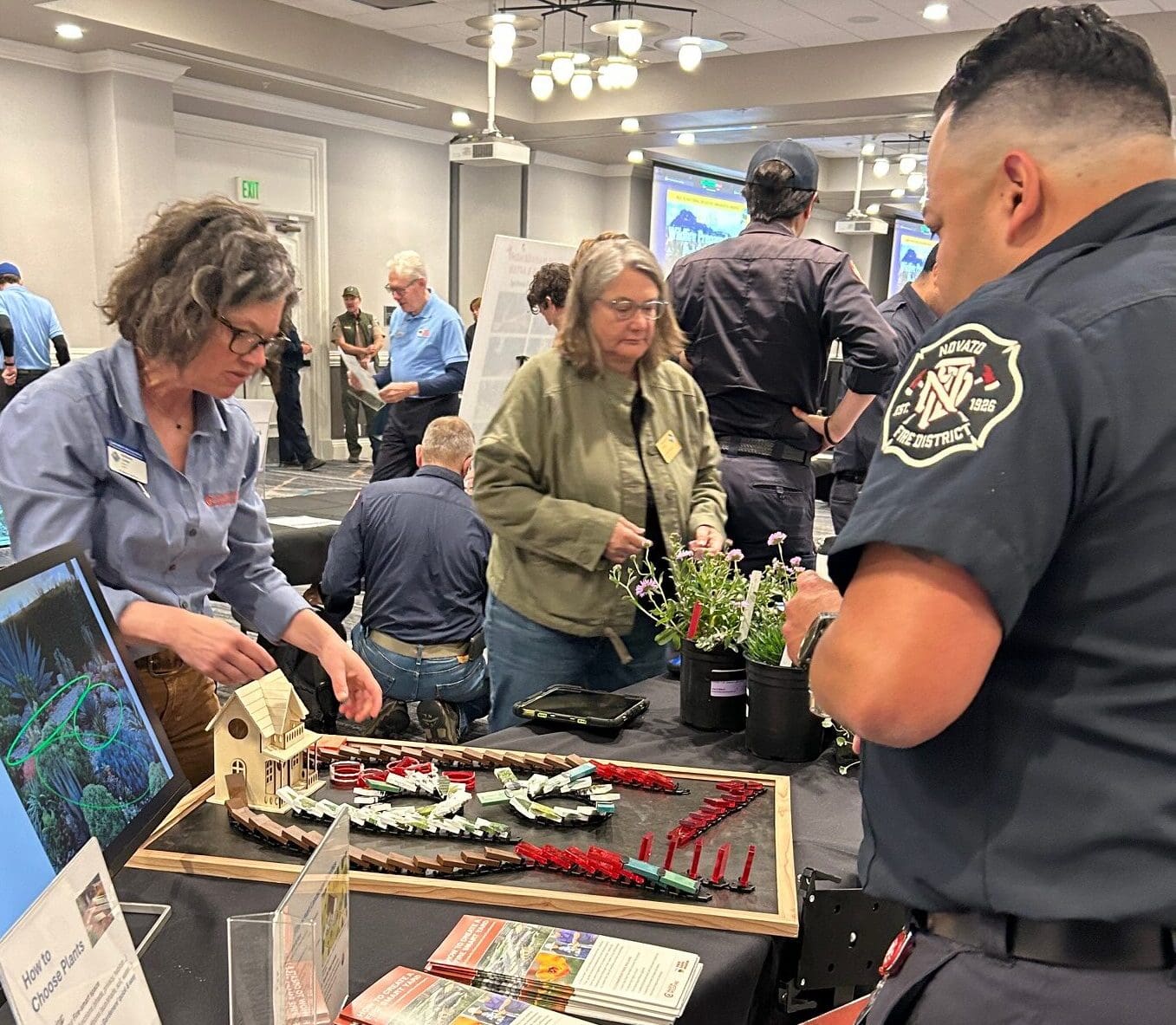
The forum brought together every fire jurisdiction in Marin County, along with program teams from Marin Wildfire Prevention Authority (Marin Wildfire), to help residents better understand the work underway and how they can take part. Attendees had the opportunity to connect directly with their local fire department staff and specialists working in vegetation management, defensible space inspections, fire-smart landscaping, grant funding, Chipper Days, evacuation planning, roadside clearance, detection and alert systems, and other key wildfire preparedness programs.
The May 2 event reflected a central theme of Marin’s wildfire prevention strategy: reducing wildfire risk takes coordinated action from agencies, neighborhoods, and individual residents.
A Shared Roadmap for Wildfire Safety
Generally, a CWPP is a collaborative plan that identifies wildfire risks and prioritizes actions to reduce those risks across a community. The purpose of a CWPP is to guide work such as vegetation management, evacuation planning, home hardening, defensible space, emergency response, and public education.
Marin’s CWPP serves as a shared roadmap for how agencies and residents can work together to improve wildfire safety over time. That spirit of shared responsibility was clear throughout the forum. The event featured presentations from Fire Chief Jason Weber and Marin Wildfire’s Executive Officer Mark Brown, followed by a panel discussion with representatives from Marin County Fire, the Marin Wildfire Board, and the Marin County Office of Emergency Management. Panelists answered resident questions, discussed local priorities, and shared updates on current and future wildfire preparedness work.
A video of the presentations is available on Marin Wildfire’s YouTube.
New CWPP Story Map To Help Residents
A key feature of the event, and the overall CWPP rollout, was the introduction of Marin’s new, interactive Story Map. Designed as the main public-facing component of the 2026 CWPP, the Story Map gives residents a more accessible way to explore wildfire risk in their own neighborhoods.
Rather than focusing on one issue alone, the tool shows how multiple factors, such as vegetation management, evacuation access, and home hardening, overlap within each evacuation zone. Residents can use the map to explore their neighborhood, compare local conditions across key wildfire risk components, and better understand where focused action may make the greatest difference for their specific neighborhood.
The intention of the Story Map is to support conversations and decision making. While it does not provide a final answer, it does help communities, agencies, and residents make more informed choices about where to focus future work and funding.
Local Data, Local Action
Throughout the forum, speakers emphasized that Marin’s wildfire prevention work is data-driven, collaborative, and tailored to hyper-local conditions to maximize effectiveness.
That approach is already showing results. In recent years, vegetation management efforts have exceeded initial targets, and Marin’s residential wildfire risk evaluation program has completed more than 150,000 inspections since 2020. Many residents have taken measurable action after receiving their personalized Wildfire Risk Report following the inspection process.
The event also gave residents a chance to raise concerns specific to their communities, including the needs of older adults, new developments, access to grants, and how neighborhoods can better coordinate preparedness efforts.
Emphasized by the dialog at the event, these conversations are an important part of the CWPP process. Wildfire risk varies by neighborhood, topography, vegetation, road access, housing type, and other local conditions. Community input helps ensure that prevention work reflects the needs and realities of the people who live there.
Building Trust and Momentum
Over the past five years, Marin has built one of the most comprehensive wildfire prevention efforts in California. While speakers acknowledged that this work is long-term, the event reflected strong momentum and a shared commitment to continued progress.
“I feel very positive about where we’re at and where we’re going,” said Chief Jason Weber.
CWPP Public Forum was more than simply sharing information. The intent was to build trust, strengthen relationships, and help residents see the full scope of wildfire preparedness work happening across Marin. That intent was felt by attendees. San Rafael resident Jessie Roundtree summed up the event, stating that “every time I come to these events, it makes me feel safer that the city and county are preparing.”
Take the Next Step
Most importantly, events like this public forum help guide people toward the next step. Wildfire preparedness is a shared effort, and every action matters, whether that action is reviewing their neighborhood’s wildfire risk via the CWPP Story Map, hardening their home, signing up for a Chipper Day, improving defensible space, or working with neighbors to strengthen community resilience through programs like Firewise.