This article is based on an announcement from the State Board of Forestry and Fire Protection.
Forest restoration supporting climate action
In December 2025, the California Board of Forestry and Fire Protection’s Joint Institute for Wood Products Innovation awarded nearly $450,000 to four projects across California. The funding supports efforts to increase the pace and scale of forest restoration and advance climate action goals.
Established through Executive Order B-52-18, the Joint Institute works to expand a sustainable forest products market in California. This year, 34 proposals were submitted requesting more than $7 million in funding, reflecting strong interest in productive uses for material generated through restoration work.
Second Chances for Forest Material
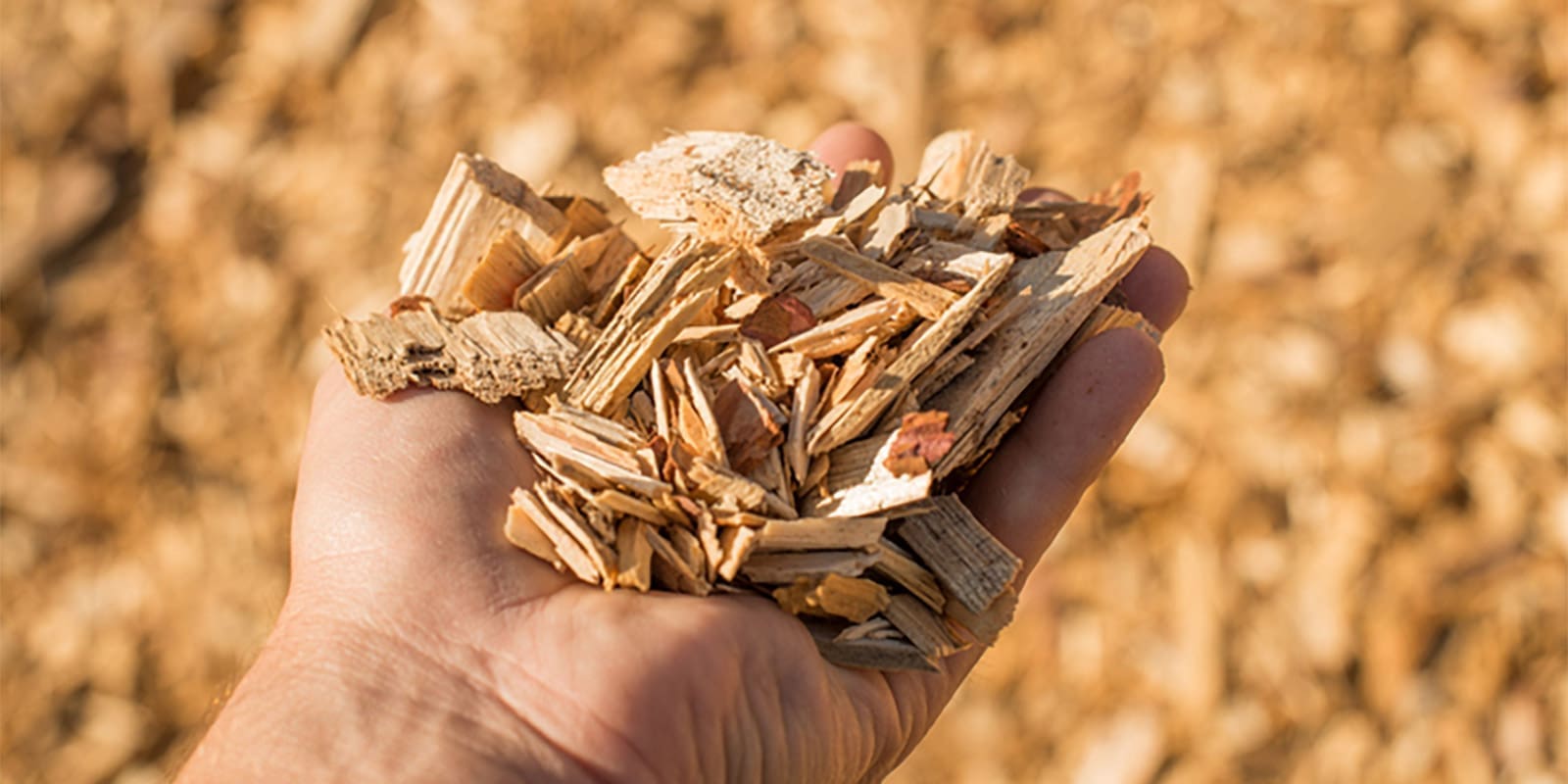
Developing new uses for this hardwood can open markets and support restoration efforts. Forest-derived wood products store carbon in long-lasting materials. Biomass can also be used for innovative wood products, bioenergy, and biofuels that offset petroleum-based products. Many companies and organizations are already making progress:
- A project led by UC Berkeley will produce and test veneer and plywood made from undervalued and beetle-infested tanoak. Millions of tanoak logs are generated annually but often remain in forests as burn piles or wildfire fuel.
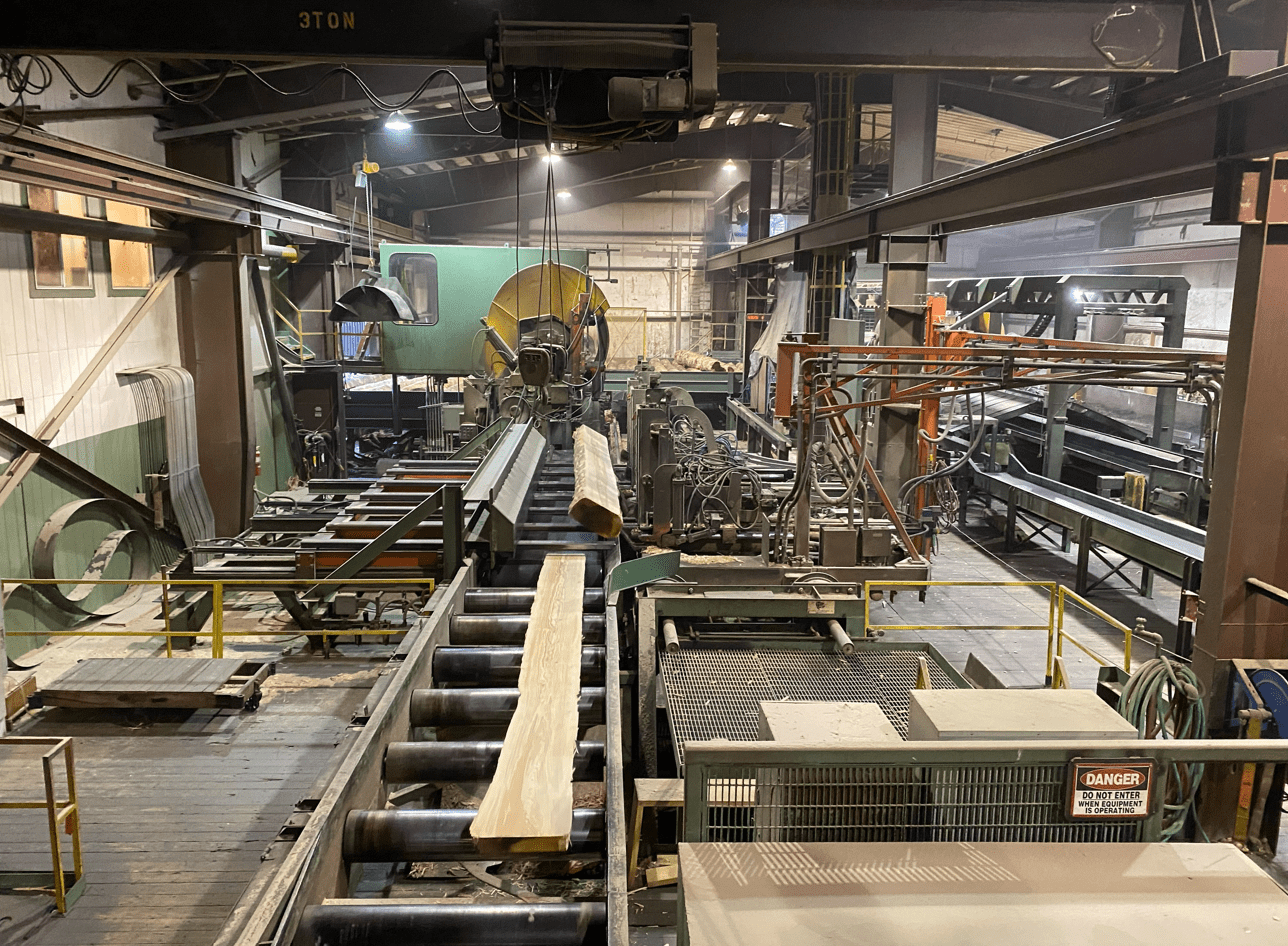
- The Watershed Research and Training Center will expand its tree inventory sales platform in Northern California, increasing opportunities for small mill operators and expanding the state’s wood processing capacity.
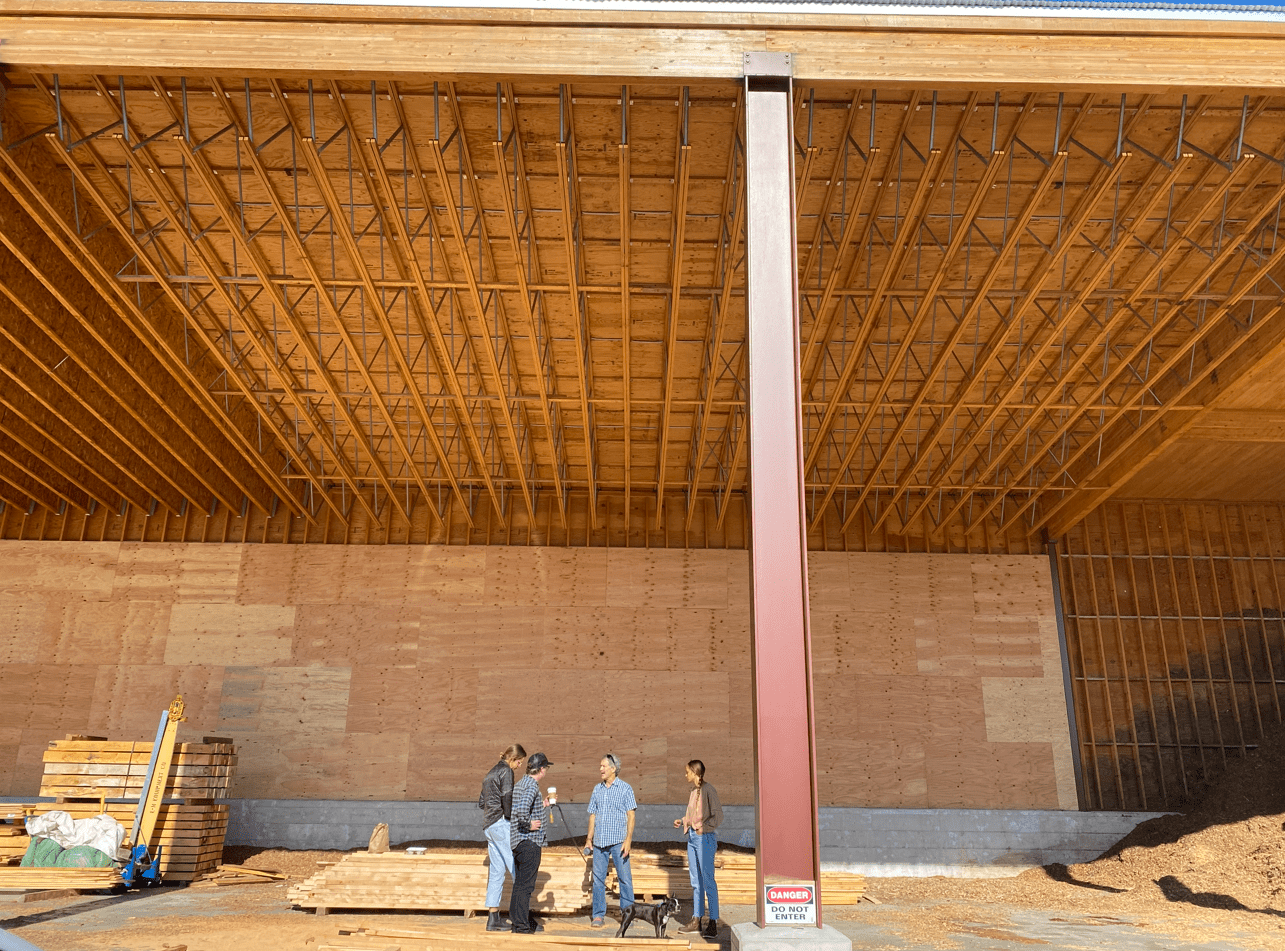
- Fabric Mass Timber will prototype a California-sourced mass timber housing system, supporting development of an in-state mass timber industry while contributing to new approaches to housing and homelessness.
- Napa Recycling and Waste Services will evaluate data from equipment that converts wood waste into biochar, a charcoal-like material that stores carbon and improves crop health and water retention. This supports efforts to turn restoration debris into energy and other useful products.
Why This Matters for Wildfire Safety
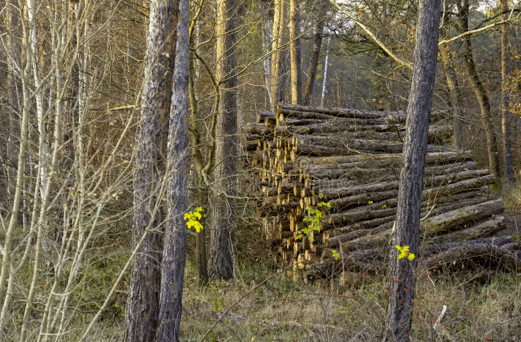
Restoring California’s forests is adding an additional 5 to 15 million tons of forest biomass annually. Finding uses for this material helps ensure it is removed from forests, reduces burn piles, and limits decomposing piles that release climate-warming emissions.
Wildfire resilience requires action at every level, from homes and neighborhoods to forests and supply chains. Investing in innovative wood products is one more way California is reducing wildfire risk, restoring forest health, and building safer, more resilient communities.