
Marin’s hot, dry summers and warm afternoon winds can place significant stress on landscaped plants. During periods of sustained wind and very low humidity, wildfire danger may become extreme, which can prompt a Red Flag Warning for the county.
Knowing when and how to water your yard, as well as removing dry vegetation regularly, can help keep your garden healthy without wasting water. Appropriately hydrated plants are generally harder to ignite than dry vegetation and produce less dead material that can become fuel.
But the goal is not to use more water, it is to give plants the amount they actually need to remain healthy.
Learn to Recognize Plant Stress
Overwatered and underwatered plants can show similar symptoms, including:
- Wilting or drooping
- Yellowing leaves
- Leaf loss
Over-irrigation is common. It wastes water and can damage plants. Before increasing irrigation, check the soil around the plant’s root zone. If the soil is still moist, the plant may already be receiving too much water. Prolonged overwatering can cause root rot. Damaged roots may be unable to absorb water and nutrients, causing a plant to appear wilted even when the surrounding soil is wet.

Consider the Time of Day
A plant’s appearance can change throughout the day. In the morning, a plant that remains wilted or shows signs of water deficiency may need additional water before the day’s heat and wind remove more moisture. In the afternoon or evening, even a well-watered plant may temporarily appear stressed during extreme heat. Plants lose water through their leaves as part of their natural cooling process and may not be able to replace it quickly enough.
Check the plant again the following morning before changing your irrigation schedule. Additional water may not be necessary unless the stress continues or high temperatures persist.
Water plants in the early morning, when temperatures are cooler and less moisture is lost to evaporation. Apply water near the base of the plant and throughout its dripline (the area beneath the plant extending to its outermost leaves or branches).
Adjust Watering to the Plant
Different plants and stages of growth require different irrigation strategies.
- Established trees can be watered deeply and less frequently to encourage deeper roots and greater drought tolerance.
- Check young trees and new plantings more often.
- Most newly installed plants need additional water.
- Gradually reduce supplemental irrigation as plants become established.
- Adjust watering as temperatures, rainfall, and seasonal conditions change.
- Give each plant the amount of water it needs rather than using the same schedule/amount throughout the yard.
Use Efficient Irrigation Equipment
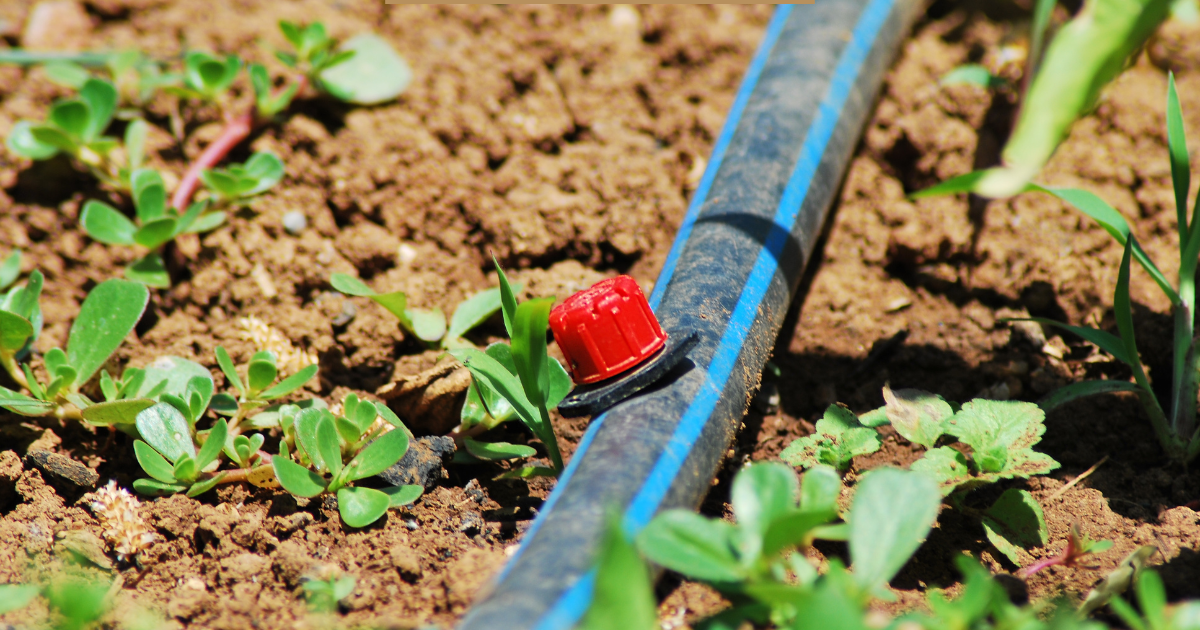
Drip irrigation, soaker hoses, flow meters, and smart irrigation controllers can deliver and monitor water more precisely. Regularly check irrigation systems for leaks, damage, or misdirected spray.
- Leaks
- Broken or missing emitters
- Damaged tubing
- Misdirected spray
- Overspray onto pavement
- Runoff
- Areas receiving too much or too little water
Landscaping Pro Tip
Marin Water’s Weekly Watering Schedule provides recommendations based on current weather, plant type, and irrigation equipment. Marin Water also offers incentives for qualifying smart irrigation controllers and water-monitoring equipment.

Fertilizer, Soil and Mulch: Use Them Wisely
Apply fertilizer only when it is needed. Fertilizer encourages rapid new growth, which does not always equal healthy growth. It may result in needing more water and more frequent pruning to maintain the amount of plant material around your home.
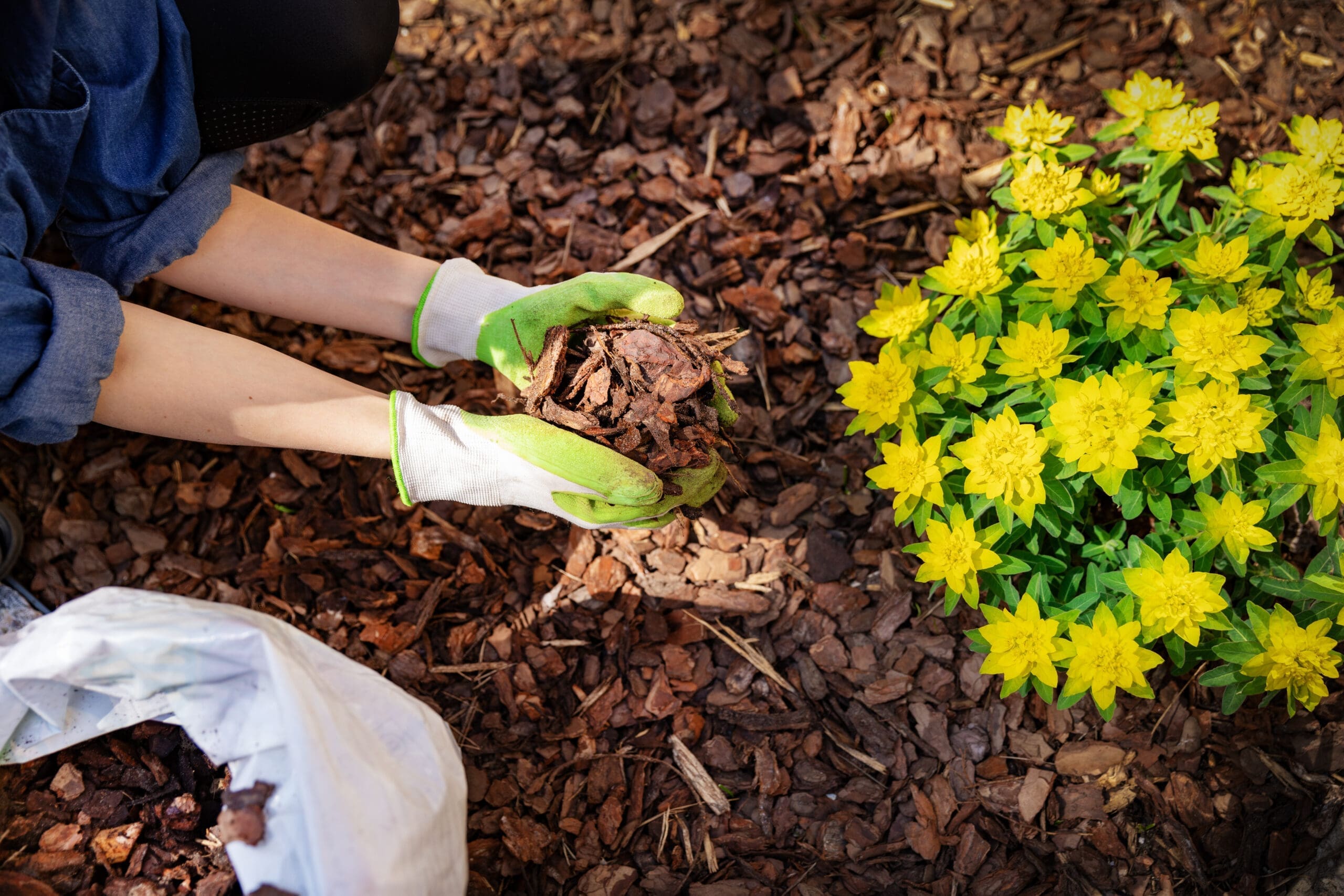
Compost can improve soil structure and help it retain water and nutrients. Maintain mulch according to fire-smart guidelines, and remove weeds and invasive plants that compete with desired vegetation for moisture and nutrients.
For guidance on choosing and placing mulch, see Create a Water-Wise, Fire-Smart Landscape. For a deeper dive on mulch, see Fire-Resistant Mulch.
Maintain Your Landscape Throughout the Year
Even a thoughtfully designed landscape can become hazardous without regular care. Consistent maintenance supports wildfire resilience, efficient water use, and long-term plant health.
Make these tasks part of your seasonal routine:
- Remove dead plants, dry branches, fallen leaves, weeds and other debris.
- Clear dry plant material from roofs, gutters, decks, and around structures.
- Prune low tree limbs to eliminate ladder fuels for fire.
- Remove dead or overgrown vegetation.
- Maintain spacing between plants.
- Keep vegetation separated from buildings.
- Check irrigation equipment, repair leaks and make spray adjustments to avoid overwatering.
- Do not leave piles of branches, brush, or other cut vegetation around your property.

Landscaping Pro Tip
Marin residents can sign up for Chipper Days each year. The service will come and remove your dead yard debris free of charge. However, regular yard waste is not accepted. Review current preparation and placement requirements before reserving a pickup.
Keep Plants Healthy Without Wasting Water
A healthy garden depends on appropriate watering, working irrigation equipment, healthy soil, and regular maintenance. Check plants and soil before changing your watering schedule, repair leaks promptly, and remove dead vegetation throughout the year.
These practices can conserve water while reducing the dry material that could contribute to wildfire spread.
For guidance on plant selection, Zone 0, lawn replacement, hardscape, and other long-term improvements, see Create a Water-Wise, Fire-Smart Landscape.