First, the First Five Feet
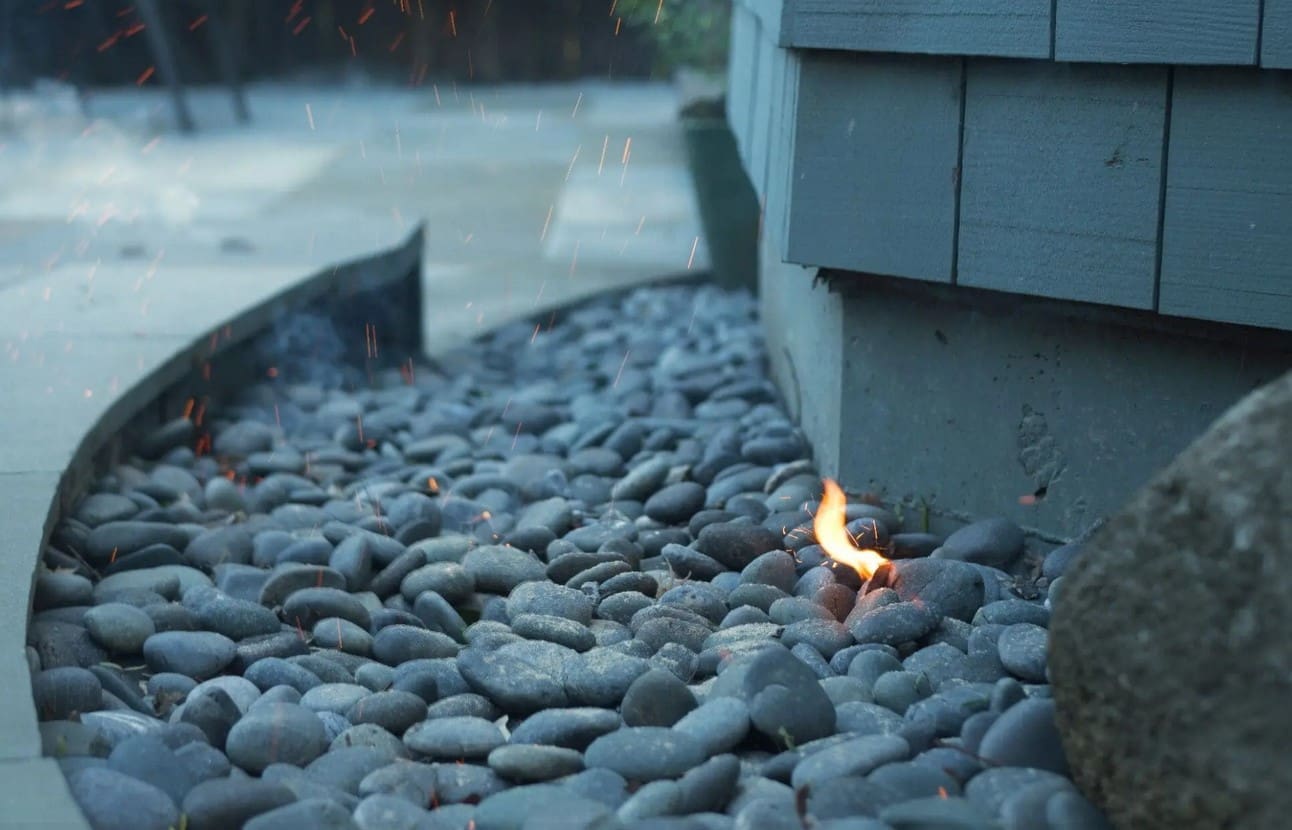
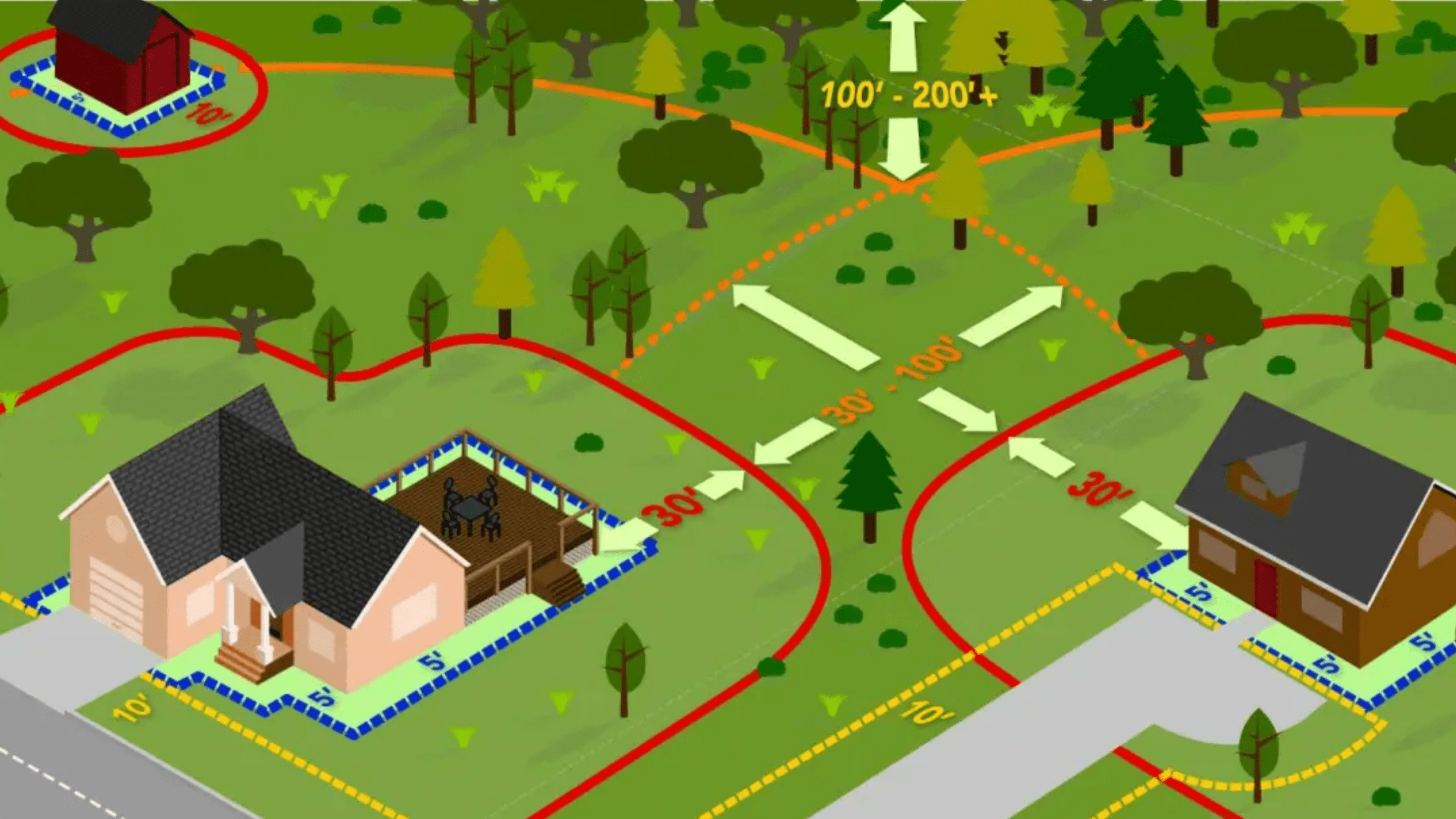
The first five feet around your home, known as Zone 0, should be free of combustible plants, organic mulch, stored combustible items, and other materials that could be ignited by embers. Removing combustible materials from Zone 0 can reduce the chance that windblown embers will ignite something next to your home.
Use only noncombustible materials in this area, such as:
- Gravel or rock
- Pavers
- Concrete
- Other hardscaping elements
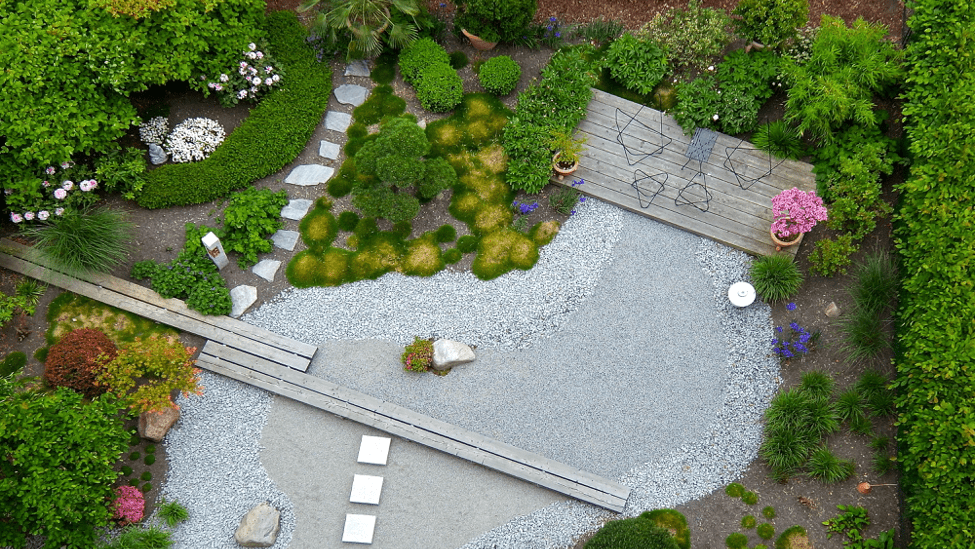
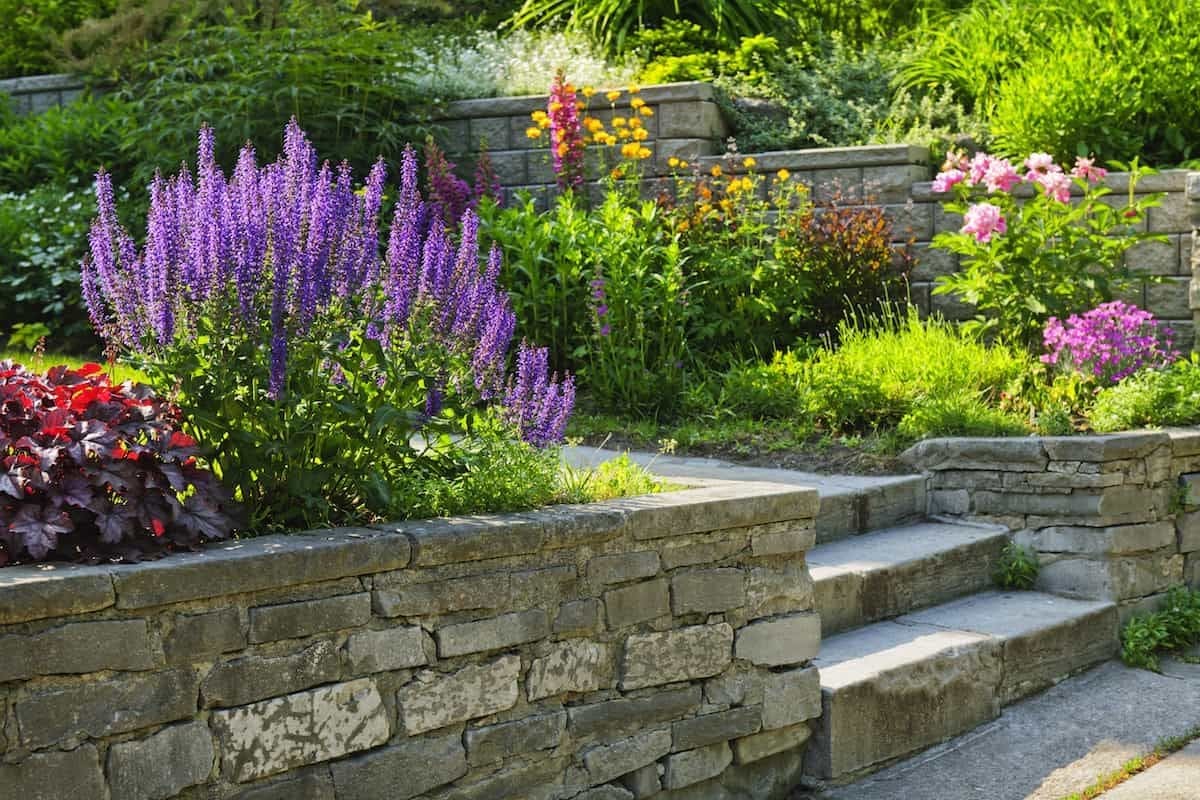
Be Rude to Wildfire: Interrupt it with Spacing and Hardscaping
Outside Zone 0, create space between individual plants and plant groupings so fire is less likely to spread continuously through the landscape.
Gravel paths, patios, retaining walls, sitting areas, and other noncombustible features can:
- Separate areas of vegetation
- Interrupt potential pathways for fire
- Reduce the amount of irrigation your yard needs
- Create attractive and useful outdoor spaces
Landscaping Pro Tip
When possible, choose permeable materials that allow water to soak into the soil rather than run off the property.
Choose Plants Thoughtfully
There is no completely fireproof plant and any plant burns when it becomes dry, overgrown, or filled with dead yard waste. California-native and Mediterranean-climate plants can be good choices when they are appropriately placed and regularly maintained.
Look for plants that:
- Are suited to Marin’s climate and the conditions in your yard
- Need relatively little supplemental water once established
- Have large or moisture-retaining leaves
- Contain relatively low levels of oils, resins, or waxes
- Produce limited amounts of dry leaves, needles, bark, or branches
- Have a natural form that does not require constant shearing/pruning
- Support pollinators and other beneficial ecosystem wildlife
Hydrozoning
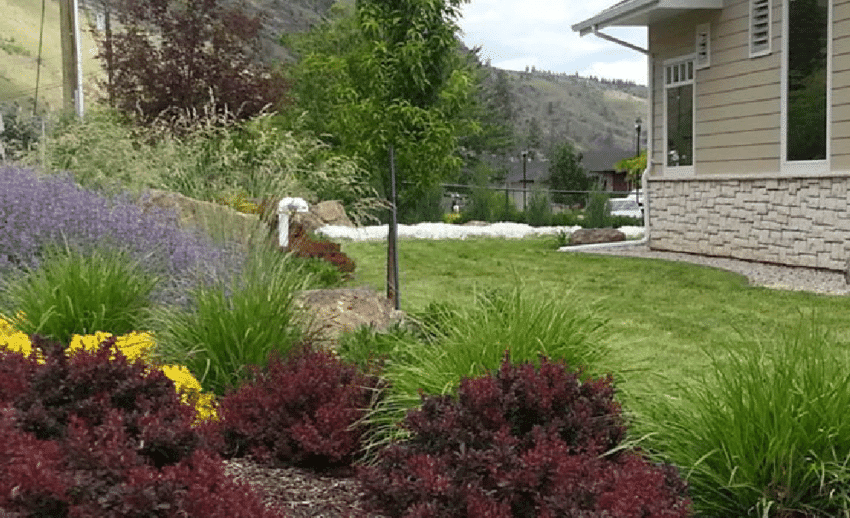
Place plants with similar water needs together, a practice known as hydrozoning. This applies to when you’re either adding plants to an established bed or starting a new planting bed. Hydrozoning allows each area of the landscape to receive an appropriate amount of water. It helps prevent drought-tolerant plants from being overwatered and thirstier plants from receiving too little.

Landscaping Pro Tip
Avoid planting during the hottest summer months when possible. New plants need more frequent watering while their roots become established and may struggle during heat waves.
The Right Mulch in the Right Places
Mulch can help soil retain moisture, moderate soil temperature, and limit weeds. However, the material and its location matter for wildfire safety.
- Do not use combustible organic mulch in Zone 0. Only use gravel, rock, or another noncombustible material immediately around structures.
- Use composted organic mulch farther from the home where appropriate, particularly in Zones 2 and 3.
- Do not allow mulch, leaves, or other organic material to collect against siding, decks, fences, other combustible yard features, or under bushes and tree branches.

Reduce Thirsty Lawn Areas
Traditional lawns can require considerably more water than climate-appropriate shrubs and perennials. Reducing your lawn area can lower outdoor water use, decrease maintenance, and improve wildfire resilience by providing more opportunities to increase plant spacing and add noncombustible features.
Consider replacing unused lawn areas with:
- Water-wise and pollinator-friendly plants
- Gravel or permeable paths
- Patios or sitting areas
- Other low-maintenance hardscape

Want to save some money?
Marin Water’s Cash for Grass program offers financial incentives to eligible customers who replace lawn with qualifying sustainable landscaping. Check current requirements and obtain approval before beginning work.
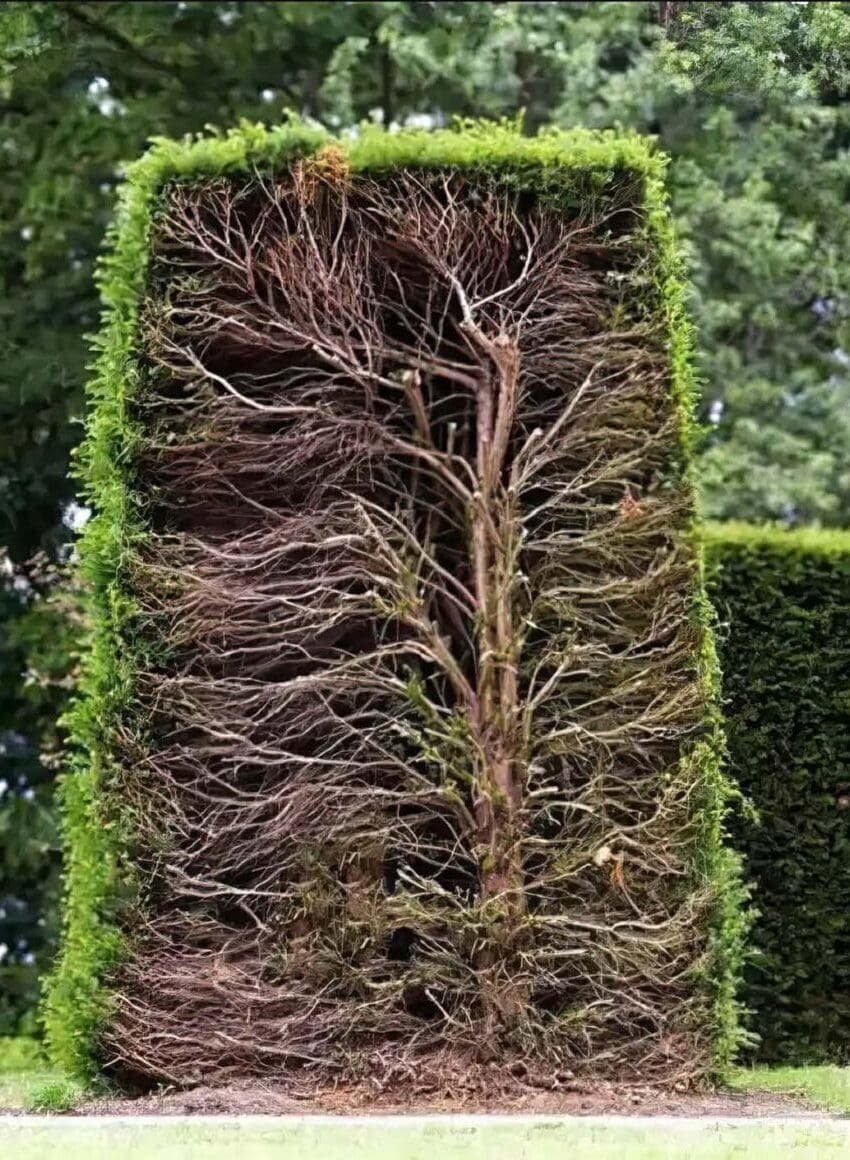
Ditch the Dense Hedges and Say Bye to Bamboo
Dense hedges and bamboo can provide privacy, but they can also increase wildfire risk, especially when dry, overgrown, or planted close to a structure. Dead leaves and branches can collect inside/under dense vegetation, and an uninterrupted row of plants may create a pathway for flames.
For lower-risk privacy screening, look for plants with:
- Moisture-retaining leaves
- Relatively low oil content
- A more open natural structure
- A growth habit that does not require constant trimming
Potential options include:
- Catalina cherry
- Lemonade berry
- Pacific wax myrtle
- English or Portuguese laurel
- Buckthorn
- Photinia
To be clear: No plant should be treated as fireproof. Plant suitability depends on site conditions, mature size, water needs, spacing, and the maintenance you can provide.
Landscaping Pro Tip
Break up long rows of vegetation, provide adequate spacing, and consider noncombustible fences or walls as privacy alternatives.
Design for Long-Term Care
Every landscape requires ongoing maintenance. Choose improvements that you can realistically maintain throughout the year. Before choosing plants or hardscape, consider:
- The plants’ mature size and spacing needs
- How much water they will require
- How much dead material they may produce
- Whether frequent pruning will be necessary
- Whether you can keep vegetation separated from structures
- How easily you can remove leaves, branches, and other debris
For guidance on irrigation, recognizing plant stress, and seasonal upkeep, see Keep Your Fire-Smart Garden Healthy Through the Dry Season.
Build a Landscape that Works for Your Home
Fire-smart and water-wise landscaping are complementary goals. Climate-appropriate plants, thoughtful spacing, efficient irrigation zones, noncombustible features, and appropriate mulch can conserve water, support pollinators, and reduce potential pathways for wildfire.
Begin with the first five feet around your home, then improve one section of the yard at a time. Let’s work together to make a more climate and wildfire resilient Marin.