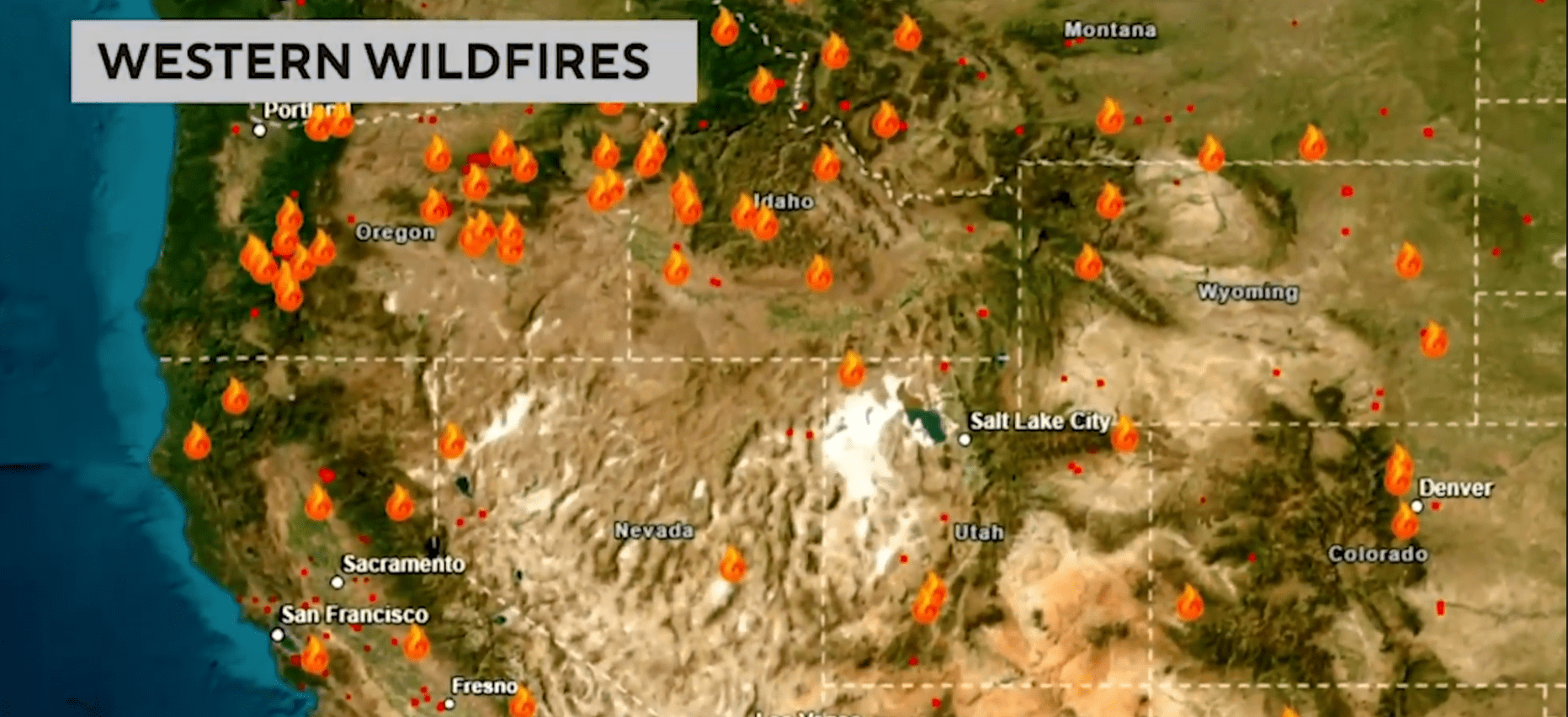
When we see the devastation caused by wildfires across California, it is natural to wonder: Could it happen here?
The answer: Yes
Marin shares many of the conditions found in areas that have experienced catastrophic wildfires. Our county has dry and overgrown vegetation, periods of drought, varied terrain, and seasonal high winds. When these conditions come together, a wildfire can spread rapidly and threaten lives, homes, and entire communities.
Wildfire Is Part of California’s Landscape
Wildfire has always been a natural and healthy part of California’s ecology. Fires of the past, and lower-intensity fires today, help clear overgrowth from forest floors and rejuvenate native vegetation. But wildfire burns out of control, threatens lives, and destroys homes. And Marin’s history shows that it can happen here.
In 1923, a major fire burned through several Marin valleys and communities. In 1995, the Vision Fire burned more than 12,000 acres and destroyed 45 homes. After burning through Paradise Ranch Estates, it made a rapid run toward the coast and set records for its speed and intensity. Even the ice plant on Limantour Spit burned. The Pacific Ocean was the only thing that stopped the fire that night.
In 2020, the Woodward Fire made a similar run toward the coast. Marin was fortunate again.
Wind and Terrain Shape Wildfire
The footprints of Marin’s past fires show how wind interacts with the terrain. Dry vegetation along the way provides the fuel that allows a fire to keep spreading. These are the same conditions that continue to shape wildfire behavior today.
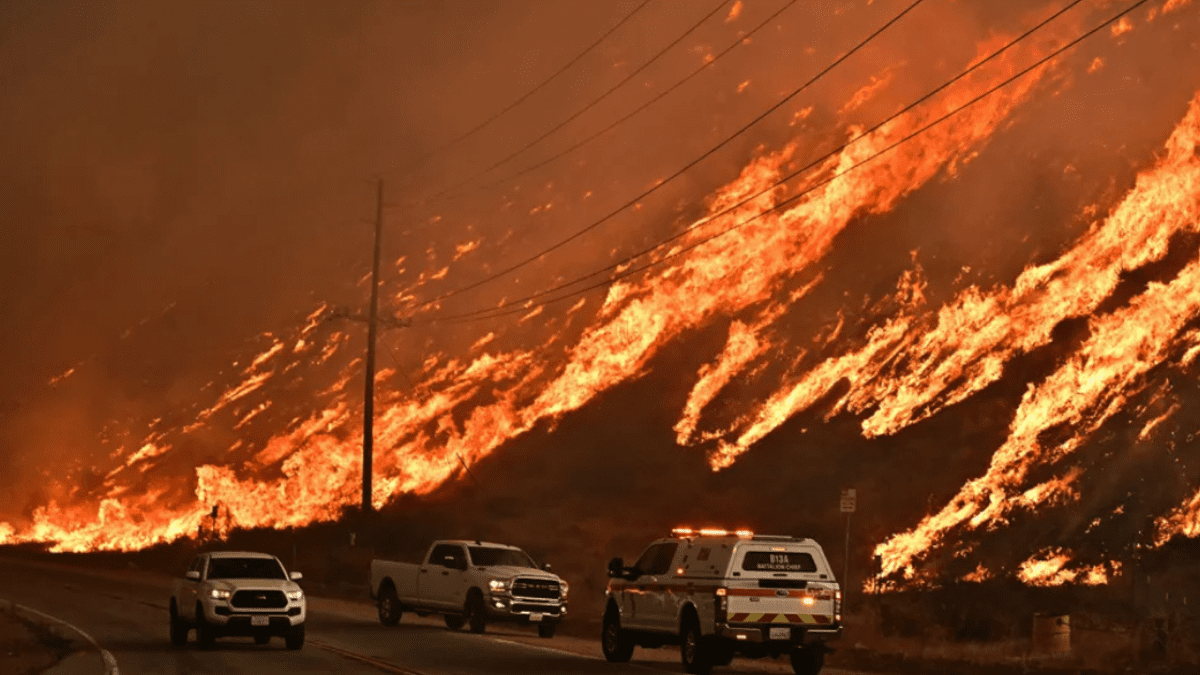
Strong winds can push a small fire rapidly through dry fuels, allowing it to grow and become difficult to control. The location of the ignition, direction of the wind, surrounding terrain, and available vegetation can all influence where the fire travels.
Today’s Wildfires Can Move Much Faster
The 1964 Handley Fire burned almost the same footprint as the 2017 Tubbs Fire. The difference was how quickly they moved. What took approximately two and a half days to burn in 1964 took only six hours in 2017.
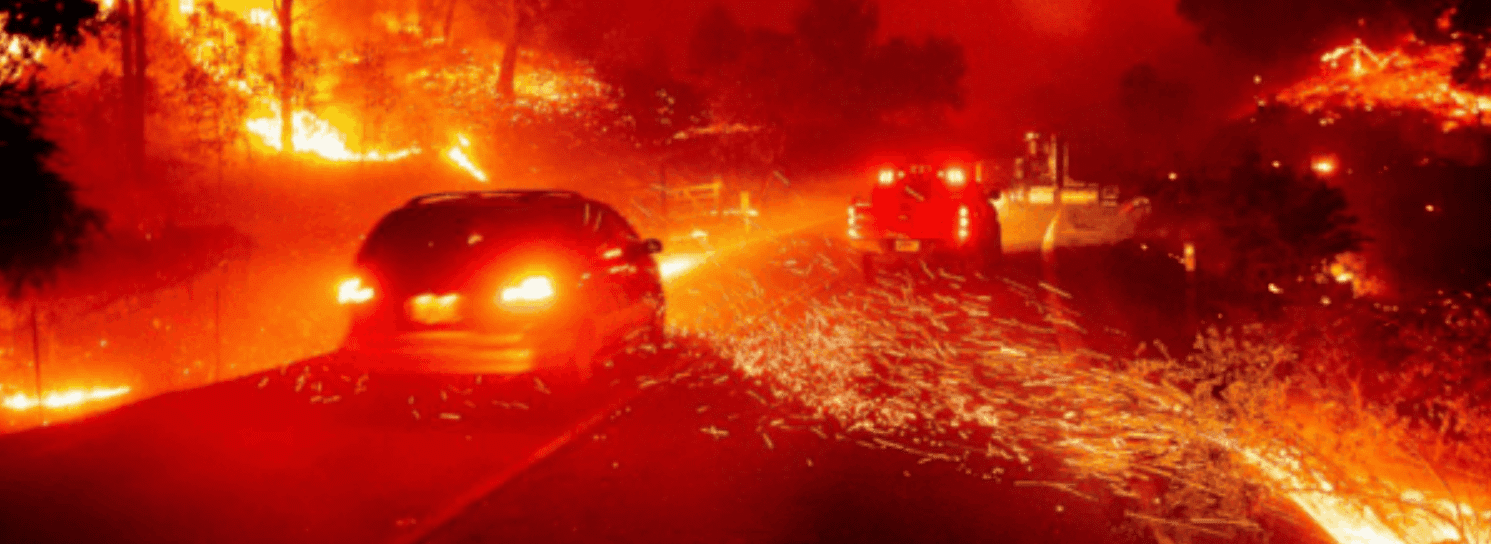
Today’s catastrophic wildfires burn hot, travel fast, and can give residents very little time to react. The wildfires we see now can reach levels of speed and intensity that can easily overwhelm communities.
Red Flag Warnings Signal the Greatest Danger
The National Weather Service issues Red Flag Warnings when high sustained winds combine with low moisture content in vegetation. If Marin experiences a catastrophic wildfire, it will most likely happen during these conditions.
During a Red Flag Warning, residents should be on high alert, ready to evacuate, and prepared to help people who may need assistance.
Embers Can Travel Ahead of the Fire
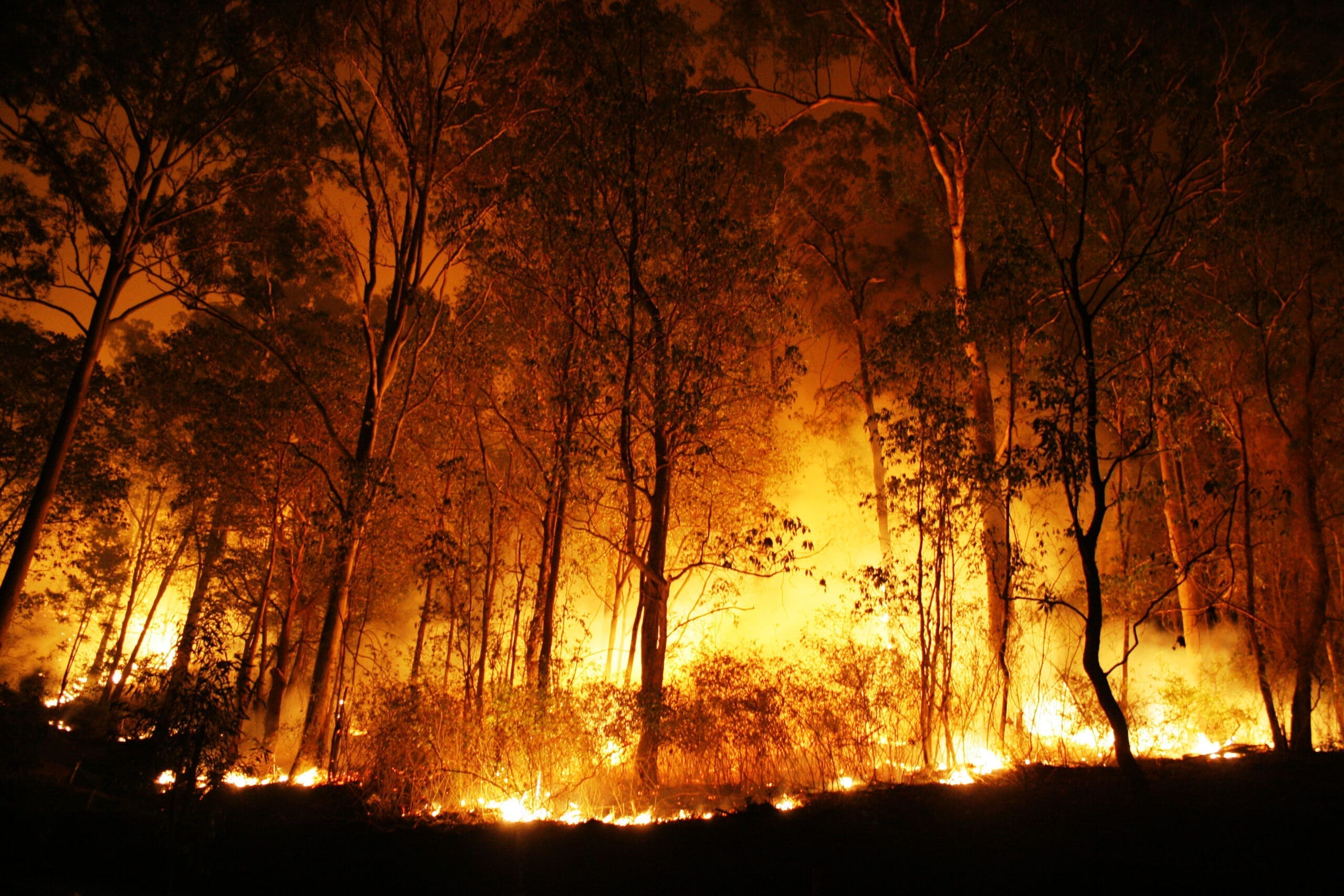
Fast-moving, high-intensity wildfires can cast burning embers long distances ahead of the main fire. These embers can start new fires before the primary fire front arrives. A home or nearby combustible material can ignite even when flames have not yet reached the neighborhood.
This is why preparing homes and landscapes against ember ignition is so important.
Prepare Before a Fire Starts
Marin is a wildfire-prone area. When conditions are dry and winds are strong, a fire could spread rapidly.
Residents should focus on three essential preparedness steps:
- Harden your home and create a fire-safe yard against ember ignition. Reduce the opportunities for wind-blown embers to ignite your home or nearby vegetation and materials.
- How how to evacuate. Plan and practice your route(s) and keep your evacuation “go-kit” packed and ready. Do not wait until a wildfire is approaching to gather what you will need.
- Be prepared to help neighbors who may need assistance. Know who may require additional help or time to evacuate safely.
Looking for more guidance?
A catastrophic wildfire could happen in Marin. By preparing our homes, landscapes, households, and neighborhoods now, we can help protect our entire community. Fire Safe Marin provides a range of informational resources to help you protect what matters most to you.