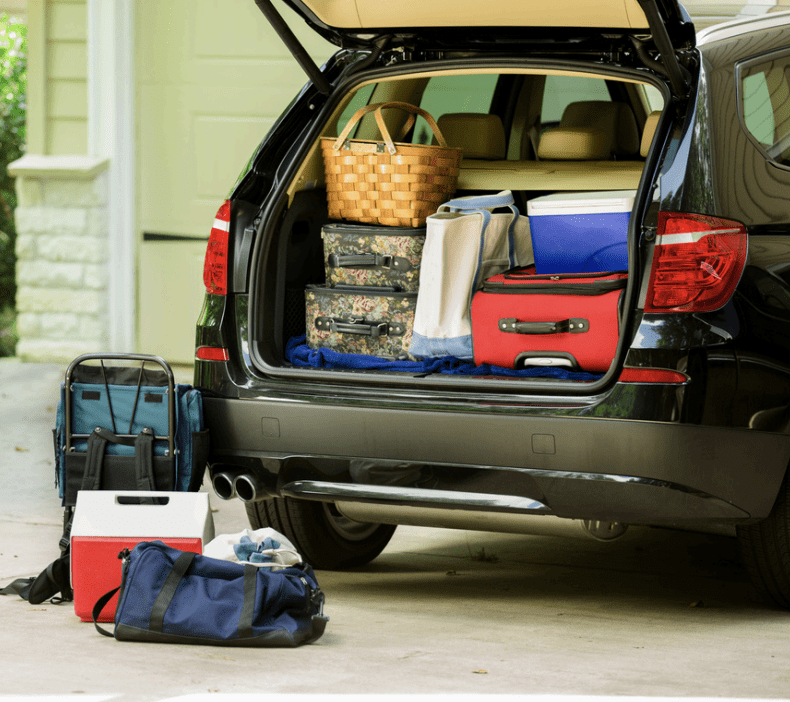
Oh, summertime in Marin! School is out and the days are long. You may be planning a weekend excursion or a summer destination vacation. Perhaps visiting family or exploring new places.
But wildfire risk does not take a vacation. So before you head off to make new memories, here are a few tips to help you have a safer wildfire season.
Prepare Your Home Before You Leave
Many homes damaged or destroyed during wildfires are first ignited by windblown embers. Embers can travel ahead of a fire and ignite leaves, outdoor furniture, wood piles, and other combustible materials around a home.
Before leaving town, walk around your property and take a few practical steps to reduce the chance of an ember starting a fire:
- Clear leaves and debris from your roof, gutters, decks, and the base of exterior walls. Place the material in your green bin.
- Remove dead or dying plants, dry grasses, and other combustible material, especially within the first five feet around your home.
- Bring cushions, wicker furniture, flammable doormats, and other easily ignited items indoors.
- Move firewood, debris, trash cans, and recycling bins at least 30 feet from structures when possible.
- Close all windows, exterior doors, and garage doors to help keep embers from entering your home.
- Open combustible side gates so they are less likely to provide a direct pathway for fire to reach the house.
- Leave a garden hose connected and visible so it is easy for firefighters or a neighbor to find during an emergency.
These simple actions can make a meaningful difference, particularly when no one is home to respond.
Tell Someone Your Plans
Let a trusted neighbor, friend, pet sitter, or family member know where you are going, when you expect to return, and how to reach you. Clear two-way communication can help you respond quickly if an emergency develops while you are away.
Make sure they know how to access your property if necessary and where to find important items such as pet carriers, medications, emergency supplies, and shutoff locations.

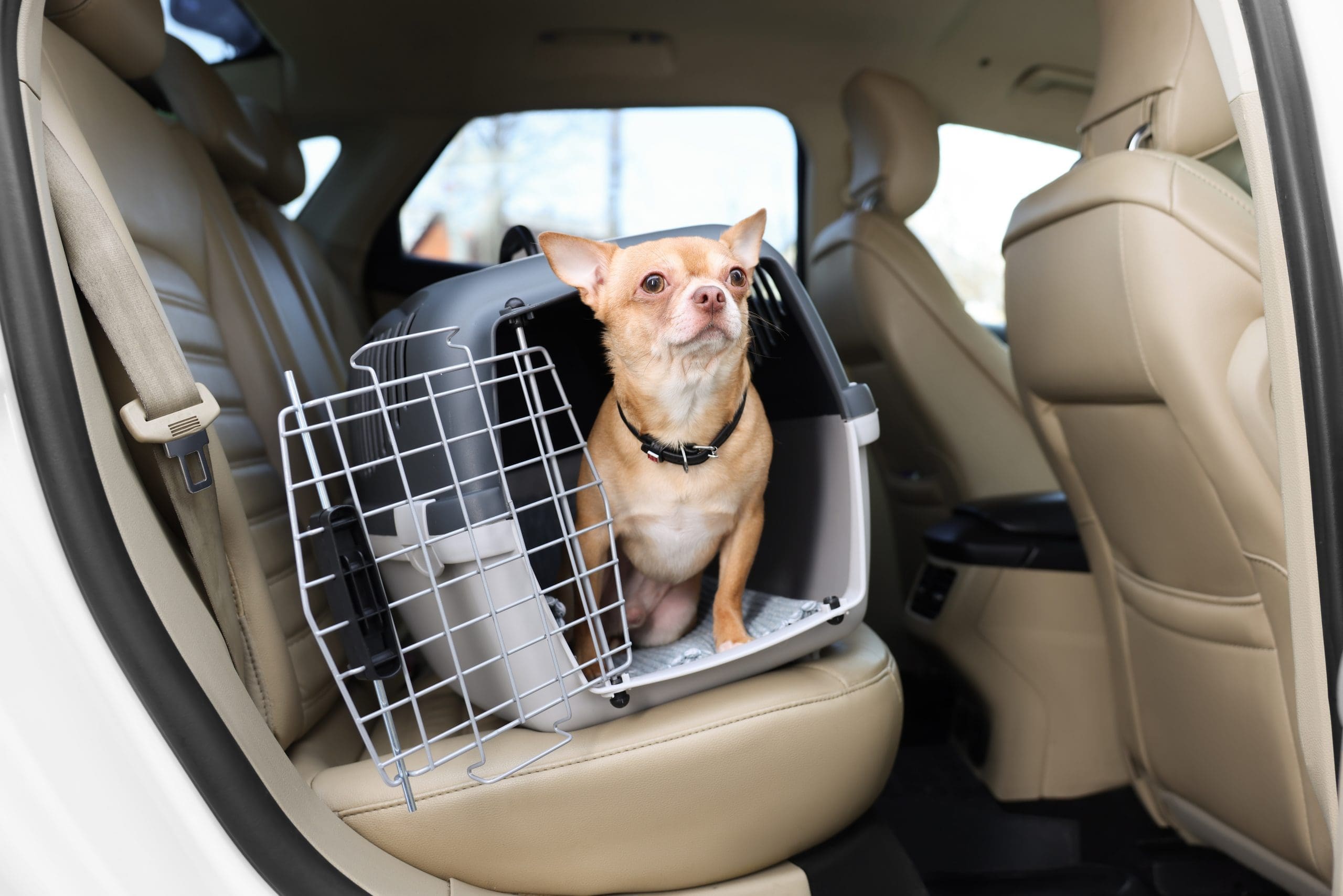
Plan for Pets Staying Home
When someone else will be caring for your pets, make sure they are prepared to evacuate them.
Leave a pet Go-Kit in an easy-to-find location. It should include:
- A carrier, leash, or harness
- Food and water
- Medications
- Vaccination and veterinary records
- Identification and current photos
- Written care and evacuation instructions
Confirm that the caretaker has reliable transportation and knows where they can take your pets if an evacuation is ordered.
Protect Important Documents
Store copies of insurance policies, identification, property records, medical information, and other essential documents in secure cloud storage or a fire-resistant safe.
Keeping digital copies available from anywhere can make recovery easier if your home is affected while you are away.

Stay Informed Wherever You Travel
Make sure you are signed up for AlertMarin or have your current contact info up-to-date before you leave home. While you are away, you can check the Marin County Emergency Portal for current emergency information that could affect your home or the return trip.
When traveling outside Marin, you can also sign up for the emergency notification system used at your destination. Local alerts can provide important information about wildfires, evacuations, road closures, severe weather, and other hazards.
Learn the Local Evacuation Plan
Whether you are staying at a hotel, vacation rental, campground, or with friends, identify how you would leave during an emergency.
Ask yourself:
- Does the property you’re staying at have evacuation instructions?
- Where are the emergency exits in the building you’re staying in?
- What are the main roads out and is there more than one evacuation route?
- Where would you go if a road were closed?
- How will you receive local emergency alerts?
In wildfire-prone areas, such as forests, check conditions and restrictions before you arrive. During a wildfire, follow instructions from local officials and leave promptly when directed. When in doubt, leave early rather than waiting for conditions to get worse.
Prepare for a Wildfire-Safe Road Trip
Wildfire conditions can change quickly and may affect highways, fuel availability, air quality, and travel times.
Before beginning a road trip:
- Check your vehicle, tires, brakes, and fluid levels.
- Inspect trailers, chains, and anything being towed or carried.
- Keep chains and metal parts from dragging on the road, where they could create sparks.
- Keep your fuel tank reasonably full or your electric vehicle charged.
- Carry extra drinking water, food, medications, phone chargers, and N95 masks.
- Check fire conditions and road closures along your route.
Help Prevent Wildfires While You Travel
Treat every community and natural area with the same care we expect from visitors to Marin.
Follow local fire restrictions, use designated areas for cooking and campfires, and never park on dry grass. Make sure permitted fires are completely extinguished by drowning them with water, stirring the ashes, and checking that everything is cool to the touch. Never discard cigarettes, matches, hot ashes, or anything else that could create a spark.
These few extra steps before and during your vacation can help protect your home, your pets, your destination, and the communities you pass through. Prepare now and enjoy your trip!