How carefully planned prescribed burns help reduce wildfire risk and restore Marin’s landscapes.
Beneficial Fire Series: This is the first article in a five-part series exploring prescribed burns and beneficial fire. We’ll dive into how they work, why they matter, how they’re safely conducted, and how they help protect Marin. Read on and then stay tuned for the next article!
With so much effort focused on preventing wildfires, why would fire agencies intentionally start one? The answer is simple: Not all fire is bad. In fact, it can even be beneficial.
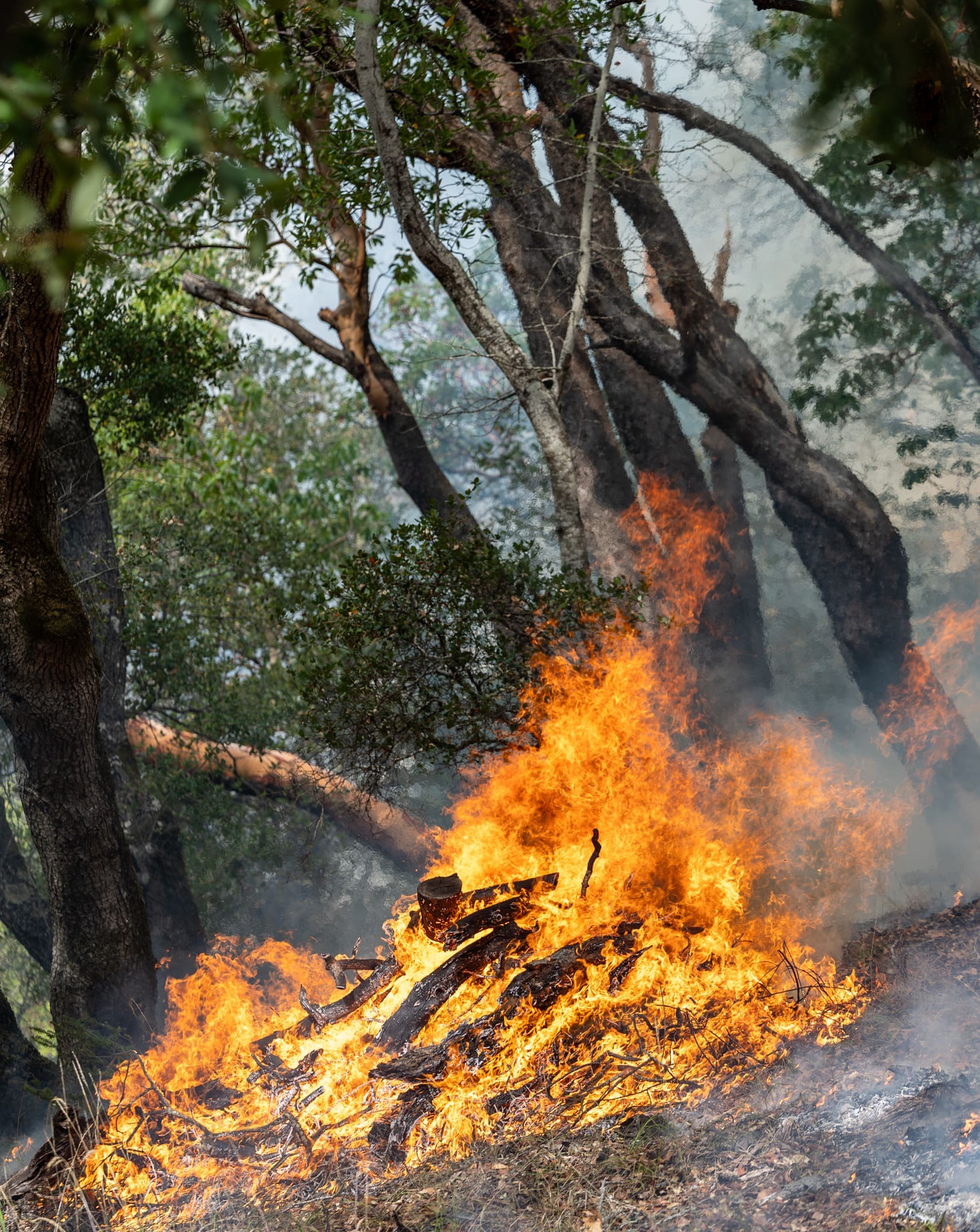
When smoke rises above Marin’s hills, many residents understandably worry about wildfire. But sometimes, that smoke comes from a prescribed burn, which is a carefully planned and controlled fire. The wildfire mitigation practice is part of a larger effort to reduce excess vegetation that can fuel future wildfires and make them more dangerous.
It’s a practice rooted in thousands of years of land stewardship, and today, wildfire experts are carefully reintroducing it in a scientifically-driven way to reduce wildfire risk, support healthier forest and grassland ecosystems, and help protect nearby communities.
Why Marin’s landscapes need fire
Fire has played an important role in shaping California’s natural environment for thousands of years. Both naturally occurring fires and cultural burning practiced by Indigenous peoples helped maintain healthy forests and grasslands. These fires reduced excess vegetation, recycled nutrients back into the soil, and created conditions that allowed native plants and animals to thrive.
But over the past century, widespread efforts to prevent all wildfires (known as fire suppression), along with the disruption of Indigenous burning practices, has changed our natural landscapes. Without periodic fire, dead branches, dry brush, and other vegetation can accumulate. This buildup creates more fuel for future wildfires, allowing them to burn more intensely and spread more rapidly. That can make wildfires harder for firefighters to contain and increase the danger to nearby communities.
Carefully reintroducing fire to our landscapes can help reverse some of these changes and reduce the risk of more destructive wildfires.
Fighting fire with fire: How prescribed burns help
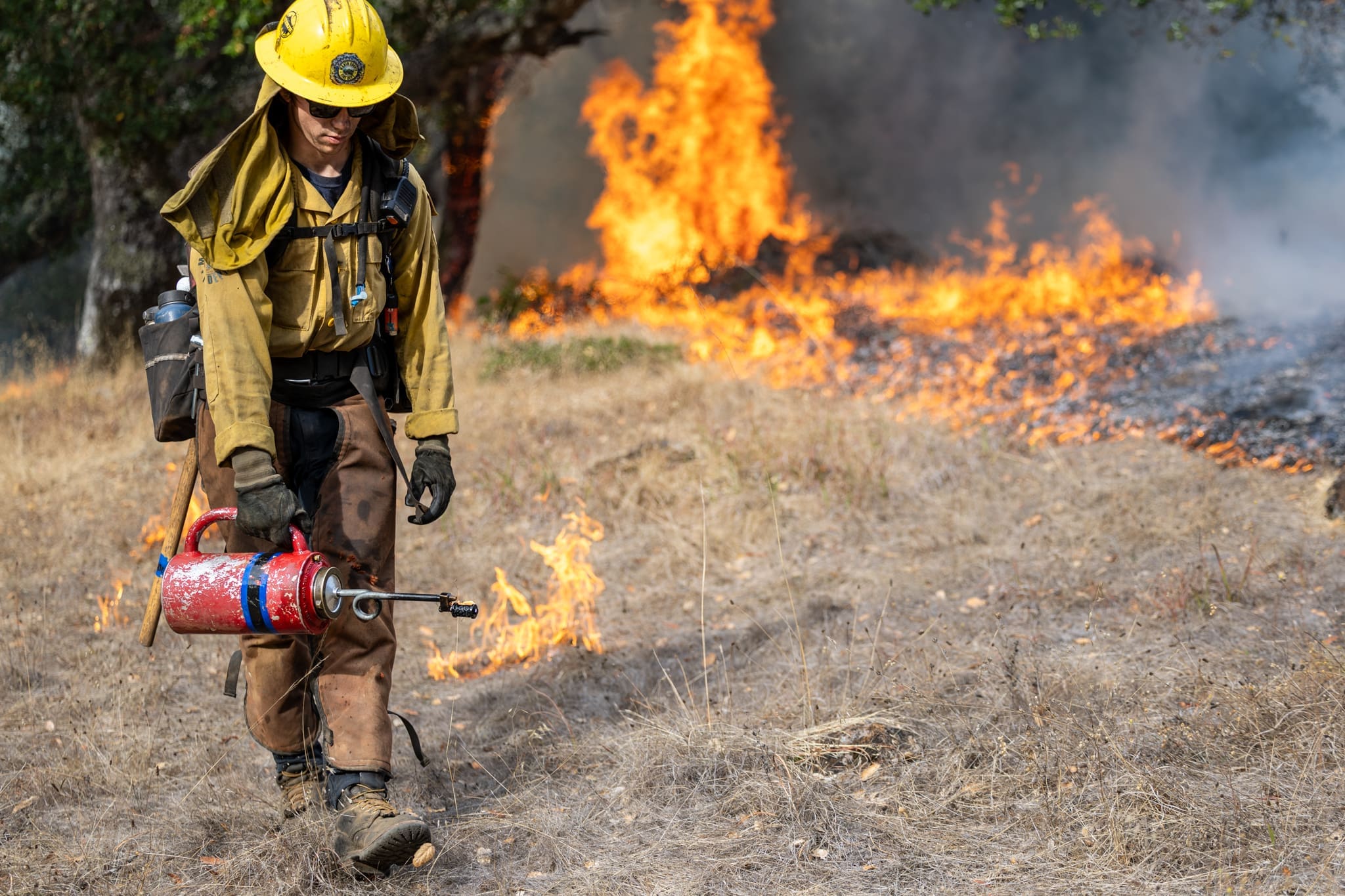
A prescribed burn is a carefully planned fire that is managed by trained professionals to achieve specific goals, such as reducing hazardous vegetation or improving ecosystem health.
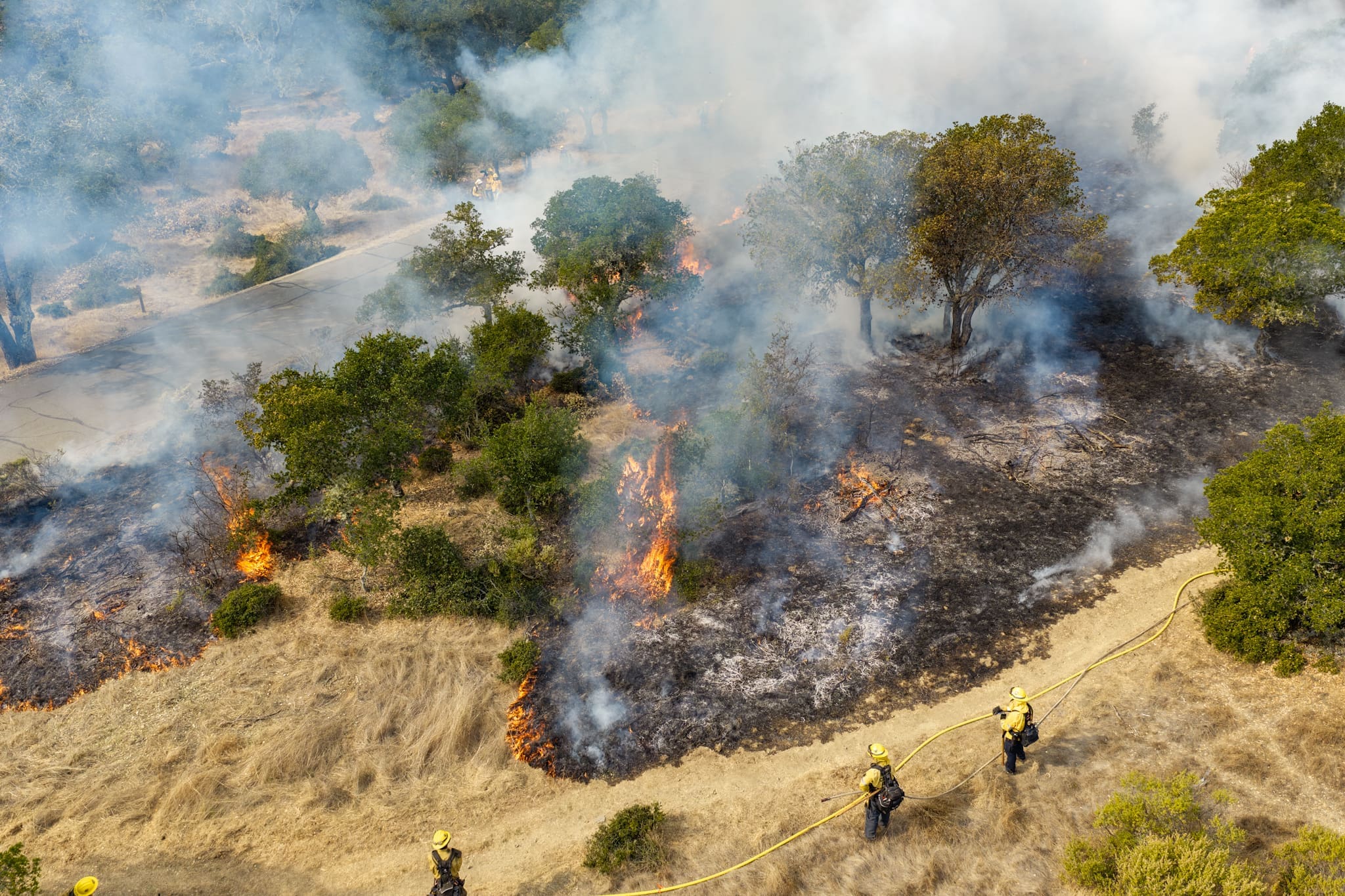
Unlike an uncontrolled wildfire, a prescribed burn takes place within a designated area and only when strict safety conditions are met. Fire professionals carefully evaluate weather, wind, humidity, vegetation moisture, and other factors before deciding whether a burn can proceed.
So how does intentionally burning vegetation help protect us from future wildfires?
The idea is straightforward: Reduce the amount of vegetation available to burn today so that a future wildfire has less fuel to feed on.
With less fuel available, a wildfire may spread more slowly and burn less intensely, making an important difference in how a wildfire behaves. This gives firefighters a better opportunity to contain it and protect nearby neighborhoods.
Beneficial fire in action: Mount Tamalpais
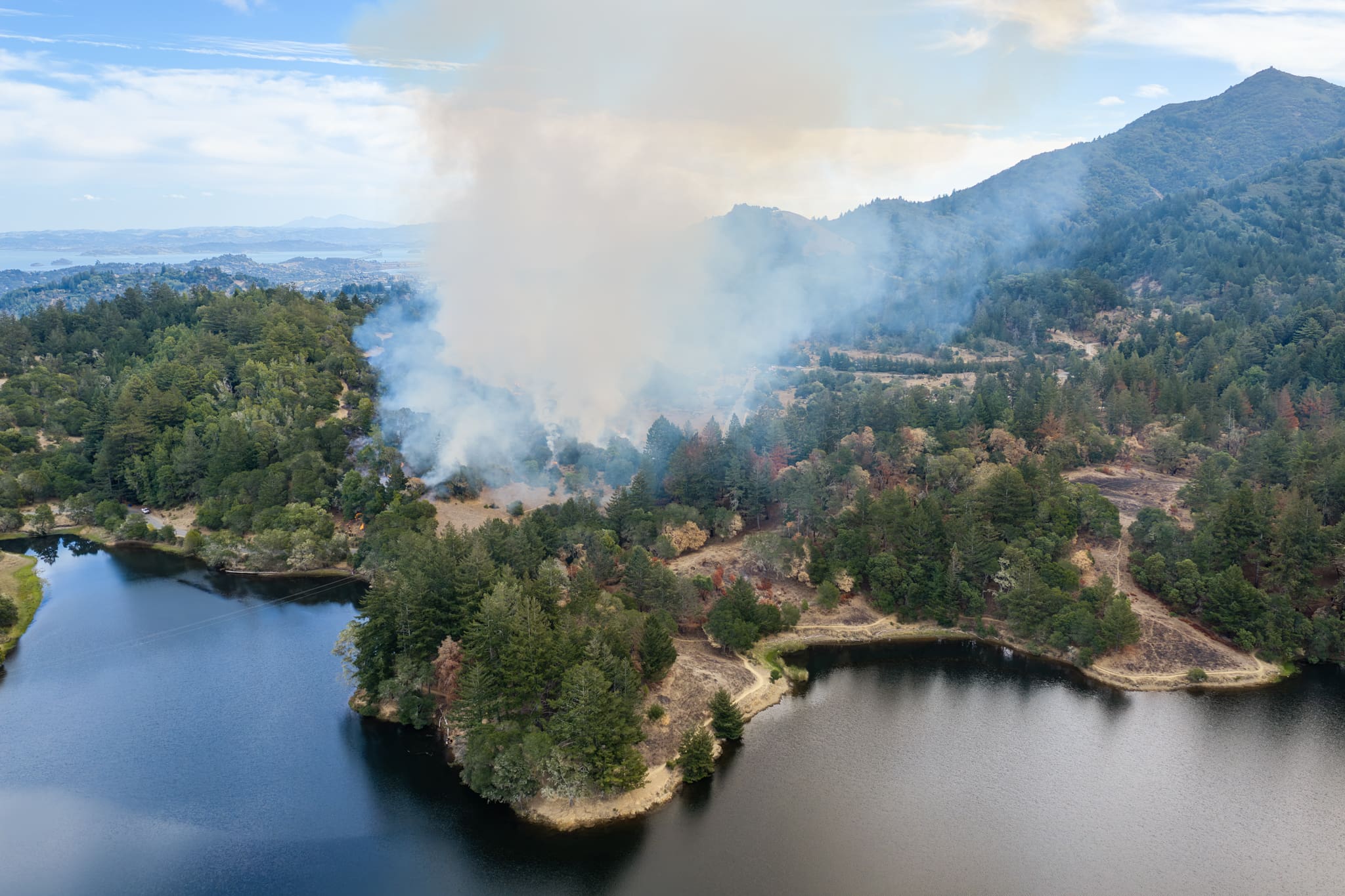
On October 20, 2026, the Marin County Fire Department, in coordination with Marin Water, conducted a prescribed burn in the Lagunitas Meadow and Pine Point area of the Mount Tamalpais Watershed, near Bon Tempe Reservoir. The project is an example of how local agencies are working together to reduce wildfire risk across Marin’s open spaces.
Prescribed burns are part of a broader approach known as beneficial fire, which includes professionally conducted pile burning to remove targeted woody debris and cultural burning by Indigenous communities. Prescribed burning and pile burning both complement other vegetation management efforts happening throughout Marin, such as grazing, thinning, chipping, and removing invasive plants.
More than wildfire prevention
Reducing wildfire risk is only part of the story. Prescribed burns also provide important environmental benefits.
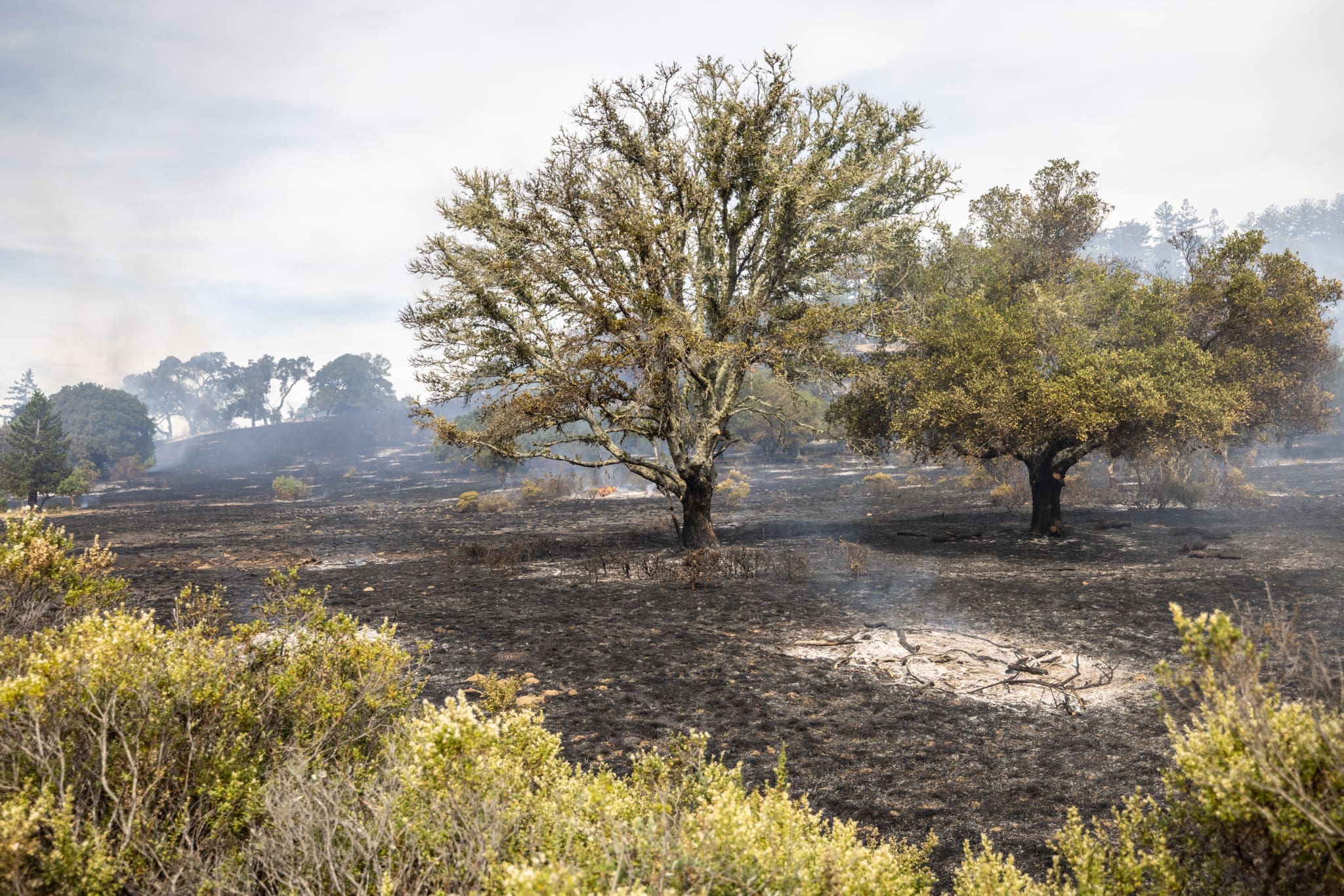
Many of Marin’s native plants and ecosystems have adapted to periodic fire. When appropriately applied, beneficial fire can stimulate new plant growth, return nutrients to the soil, help control invasive species, and create healthier habitats for native animals.
These ecological benefits help maintain Marin’s treasured open spaces, forests, and watersheds that make our county such a special place to live.
Working together for a fire-adapted Marin
Prescribed burns are an important tool for reducing wildfire risk, but they’re only one part of the solution. Even as fire agencies and land managers work to reduce hazardous vegetation across Marin, residents have an equally important role to play in protecting their homes and neighborhoods.
Home hardening, defensible space, and community preparedness (such as the Firewise program) all work together toward a more wildfire resilient county. By combining the controlled practice of prescribed burning with other proven wildfire resilience efforts, we’re working toward a safer, healthier, and more fire-adapted Marin.
Learn more
Want to receive notifications about future prescribed fire operations?
Sign up for the ‘Prescribed Burn’ notification group in AlertMarin. Visit Emergency.MarinCounty.gov, click ‘Sign up for emergency alerts,’ log in, and check the ‘Prescribed Burns’ box.
Coming Up Next in Our Beneficial Fire Series:
This is just the beginning! In the second article of our five-part series, we’ll take you behind the scenes to explore how prescribed burns are carefully planned, managed, and monitored to keep communities safe. Stay tuned!
Want to get notified when the next article drops? Sign up for our monthly newsletter