Firewise with a Smile
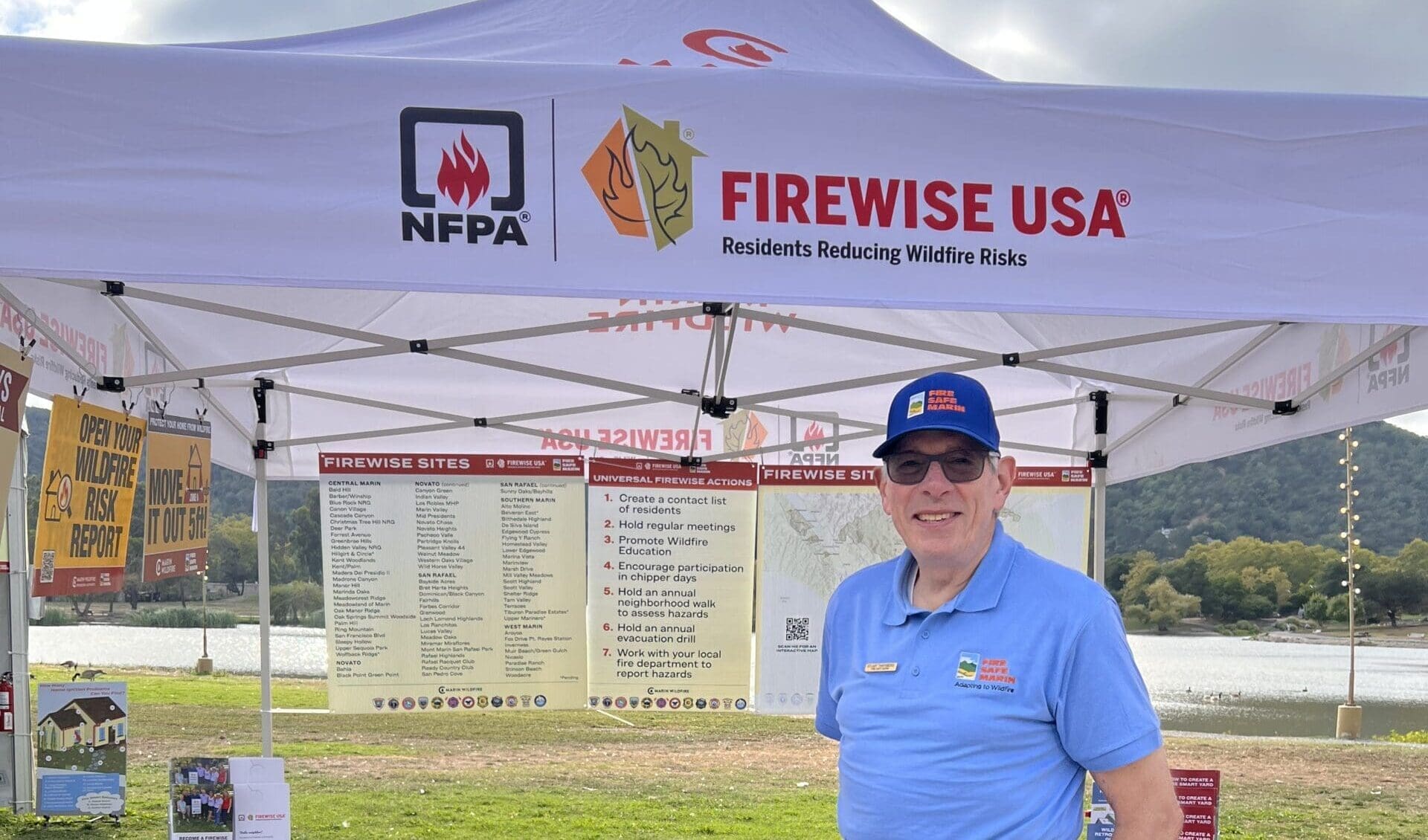
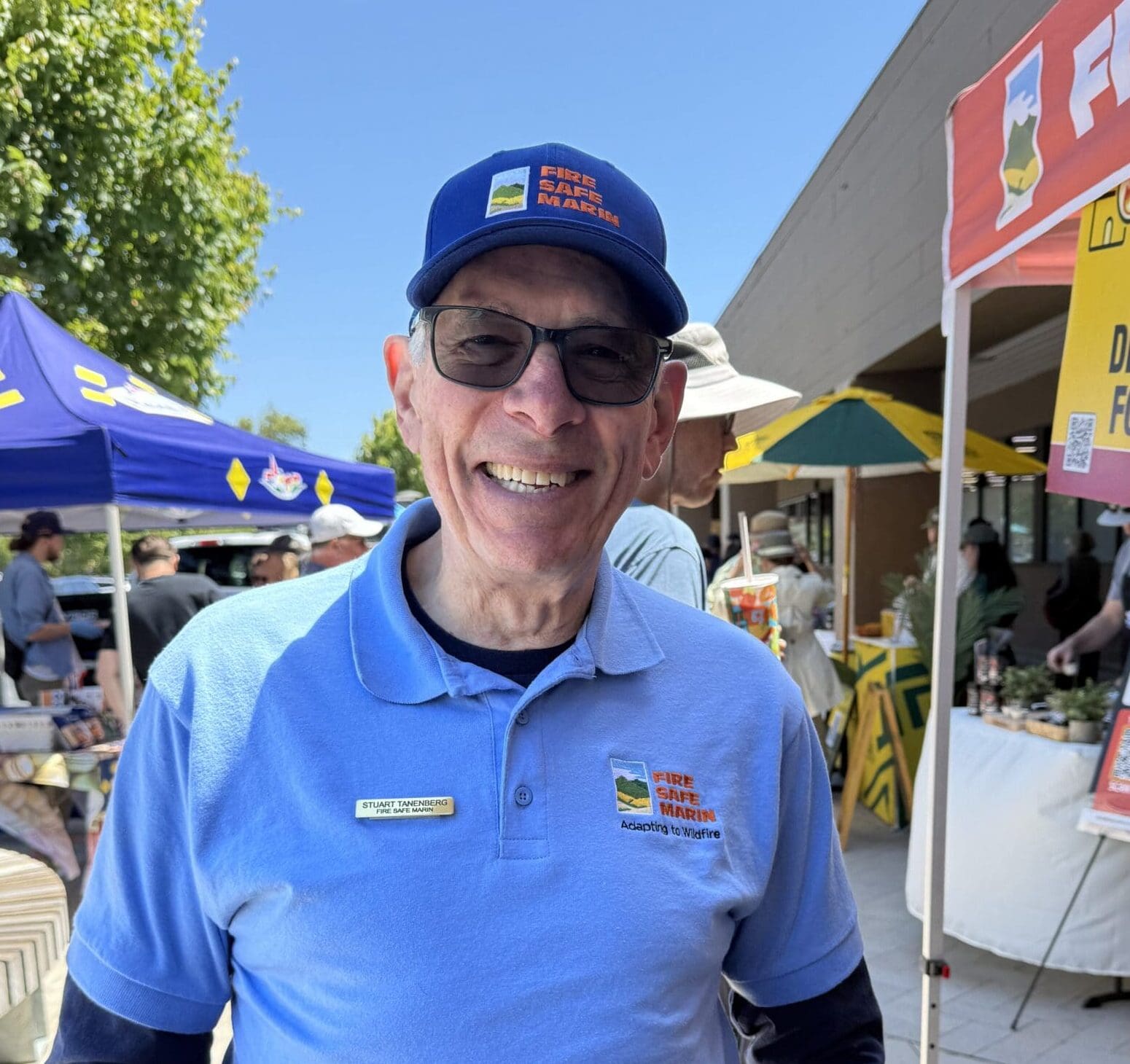
If you’ve ever emailed Fire Safe Marin with a question about Firewise USA, there’s a good chance Stu Tanenberg was the person on the other end.
Since joining Fire Safe Marin in spring 2025 as Firewise Community Liaison, Stu has helped Marin grow from roughly 78 Firewise sites to more than 90, with several additional neighborhoods currently in the pipeline. Behind that growth is a simple idea: neighbors working together can reduce wildfire risk and build more resilient communities.
A Lifelong Commitment to Community Preparedness
Stu did not begin his career in wildfire prevention. He spent nearly 40 years in the business world, earning undergraduate and graduate degrees in business, while maintaining a lifelong connection to emergency preparedness and volunteer service.
That commitment began after the 1989 Loma Prieta earthquake, when Bay Area communities saw the need for trained volunteers who could support neighbors during large-scale emergencies. Stu became involved with Central Marin’s Community Emergency Response Team (CERT) program in the early 1990s.
“They found there was a need to have a volunteer corps of individuals who could be trained in some basic skill sets, and then participate in the community,” Stu explains. “When you call 911 in a big emergency, the fire department is not going to show up right away. It’s neighbor helping neighbor.”
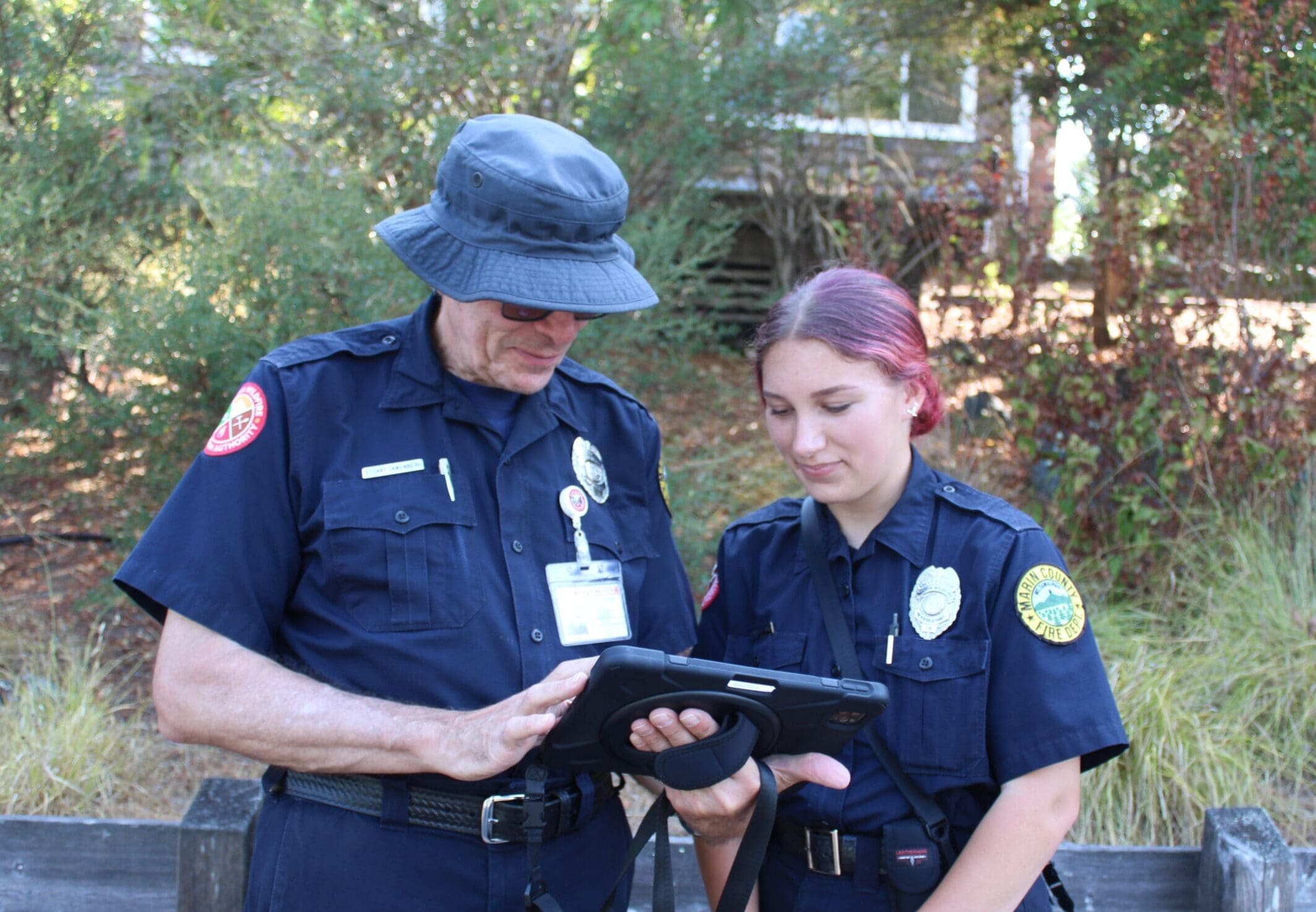
Today, Stu remains deeply involved in Marin’s preparedness community. He serves on the Central Marin CERT steering committee, is a Larkspur CERT Division Supervisor, helps coordinate key emergency response training courses, and volunteers with the Marin Medical Reserve Corps.
“I grew up in a family where giving back to your community was always really important,” he says. “Both of my parents were very active as volunteers.”
From Defensible Space Inspector to Firewise Liaison
After closing his small business during the COVID-19 pandemic, Stu was encouraged by friends in emergency preparedness to apply for a seasonal defensible space inspector position with the Marin County Fire Department. He joined in 2022 and spent three seasons working directly with residents on wildfire risk reduction.
That experience gave him firsthand insight into the questions homeowners face around defensible space, home hardening, and wildfire preparedness. In early 2025, Fire Safe Marin’s executive team approached him about a new role they believed would suit him perfectly: Firewise Community Liaison.
Today, Stu helps existing Firewise sites stay active and guides new communities through the National Fire Protection Association’s Firewise USA program, including orientation meetings, annual renewals, risk assessments, and action plans.
“It’s not an easy process to navigate and it’s fulfilling to help people through it,” he says. “So far I think we’ve been successful in expanding our Firewise communities in Marin.”
Stu is being modest; the surge in Firewise growth since he began is a testament to his ability to share knowledge and encourage action. It is, of course, a major team effort and Stu’s drive is bolstered by community meetings hosted by local fire departments and the increasing public awareness around wildfire preparedness.
Firewise Is About More Than Insurance
As insurance challenges continue across California, many residents first hear about Firewise through conversations about potential insurance discounts.
“Most recently, the number one thing that comes up is people looking to reduce their insurance premium,” Stu says.
But Firewise is ultimately about safety, preparedness, and shared responsibility. Firewise activities can include neighborhood inspection walks, evacuation drills, community clean-up days, preparedness meetings, contact lists, Chipper Day participation, and coordination with local fire agencies.
These efforts help neighbors reduce risk and build relationships before an emergency happens. And yes, it can sometimes help with insurance.
Connecting Firewise With Home Evaluations
That same neighborhood awareness can help residents get more value from Marin’s Wildfire Risk Home Evaluation program.
Through the program, local fire departments conduct free evaluations that help residents better understand wildfire risks around their homes. After the evaluation, residents receive a personalized Wildfire Risk Report with prioritized steps to improve defensible space, address home hardening vulnerabilities, and reduce the chance that embers or flames could ignite their home.
Firewise neighborhoods often have an edge because residents are already learning what wildfire safety looks like, talking with neighbors about shared risks, and taking action together. When a homeowner opens their Risk Report, they are not starting from scratch and they have their Firewise community to rely on.
Keeping Communities Engaged
As Marin’s Firewise program grows toward the goal of 100 Firewise sites, Stu says one of the biggest challenges is sustaining long-term participation and leadership.
Whether a Firewise site has 12 homes or a thousand, leaders often see the same pattern: a small percentage of residents doing most of the work. As with many volunteer operations, there is often a core 10% to 15% who do most of the work. Stu’s hope is that more neighbors will see themselves as active participants in protecting their community.
“People are so done with emails,” he says. “I recommend they knock on doors, organize block captains, and break the group into smaller chunks. One-on-one, face-to-face communication is the most effective way to get people involved.”
That kind of personal outreach helps residents understand that wildfire preparedness works best when more people participate, even in small ways.
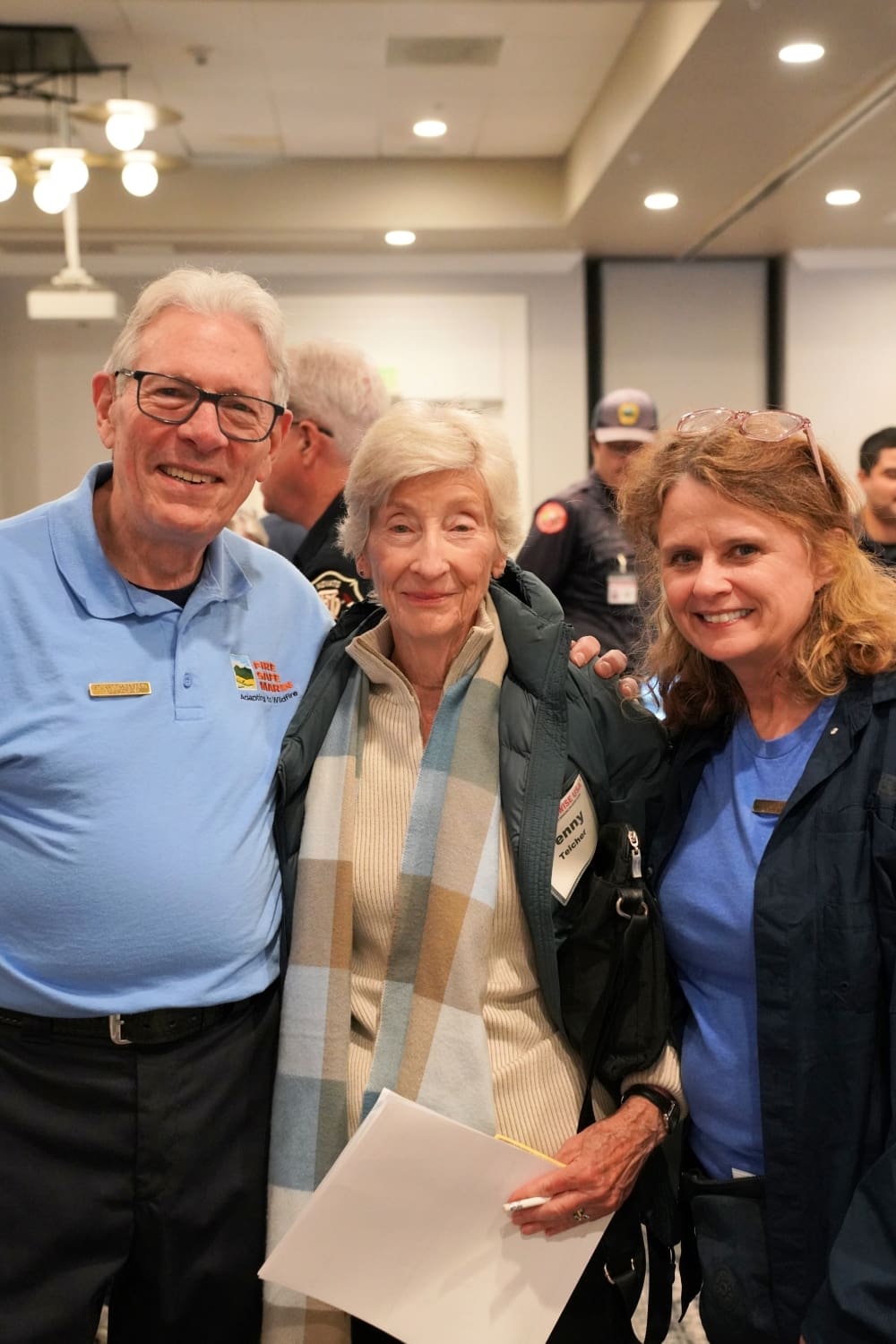
“You do whatever little bit you can contribute to help the whole, then you’ve done your job. It takes a community and, working together, you can achieve great things.” – Stu Tanenberg, Marin’s Firewise Community Liaison
Why Volunteering Matters
Underpinning Stu’s work is a deep belief in volunteering, which is something he shares with many of Marin’s Firewise leaders.
“I tell people: find something you’re passionate about, whatever it is – education, emergency preparedness, the arts – and find a space where you can volunteer at it and give back,” he says.
He also wants residents to know that volunteering does not have to mean taking on everything.
“People shy away because they think they’re going to have to do all this extra work, but you can construct how you volunteer in a way that fits your schedule,” Stu says. “You do whatever little bit you can contribute to help the whole, then you’ve done your job. It takes a community and, working together, you can achieve great things.”
Because at its heart, Firewise is not just a program. It is a neighbor-to-neighbor promise: we’ll look out for each other, take responsibility for shared risk, and work together so that when wildfire comes, our communities are as ready and resilient as possible.
Take the Next Step
Wildfire safety is most effective when residents take action at home and work together as a neighborhood. Here are several good starting points for you:
Start or strengthen a Firewise community
Find out if you live in a Firewise community or learn how to start one in your neighborhood.
Request a Wildfire Risk Home Evaluation
If your home has not yet been evaluated, request a free Wildfire Risk Home Evaluation from your local fire department. After the evaluation, open your personalized Wildfire Risk Report to see prioritized steps to reduce risk around your home.
Sign up for a Chipper Day
Marin’s Chipper Day program helps residents dispose of branches and other approved vegetation so they can take action on defensible space recommendations.