TL;DR
Conducted by your local fire agency, Wildfire Risk Home Evaluations are happening across Marin and will continue through the summer. After your property is inspected, you’ll have access to a personalized report with prioritized steps to reduce wildfire risk at your home. Be sure to open your report so you can protect your home and help build a more wildfire-resilient Marin.
Get ready for your property inspection
Use our preparation checklist to get a head start on reducing your risk.
Your Wildfire Safety Assessment, FREE of Charge
The annual Wildfire Risk Home Evaluations have begun across Marin County and will continue through the summer, helping residents better understand the specific wildfire risks around their homes and what they can do to reduce those risks.
Supported by Marin Wildfire and implemented by local fire agencies, these evaluations look at defensible space, vegetation, and key home-hardening features that can affect how a home performs during a wildfire. Inspectors assess conditions around the property and identify practical steps residents can take to make their homes more resistant to embers, heat, and flames. The program has been increasingly successful each year, delivering measurable results towards the safety of our county.
The goal is simple: help every resident move from uncertainty to action.
Why These Evaluations Matter
Wildfire risk is shared, and reducing it requires action from both agencies and residents. Fire agencies, Marin Wildfire and local partners are working across the county to reduce hazardous vegetation, improve evacuation routes, support defensible space, fire-smart landscaping and home hardening. Fire Safe Marin provides public education, expands outreach on safety and best practices, and offers a range of resources for the public to use on their wildfire preparedness journey.
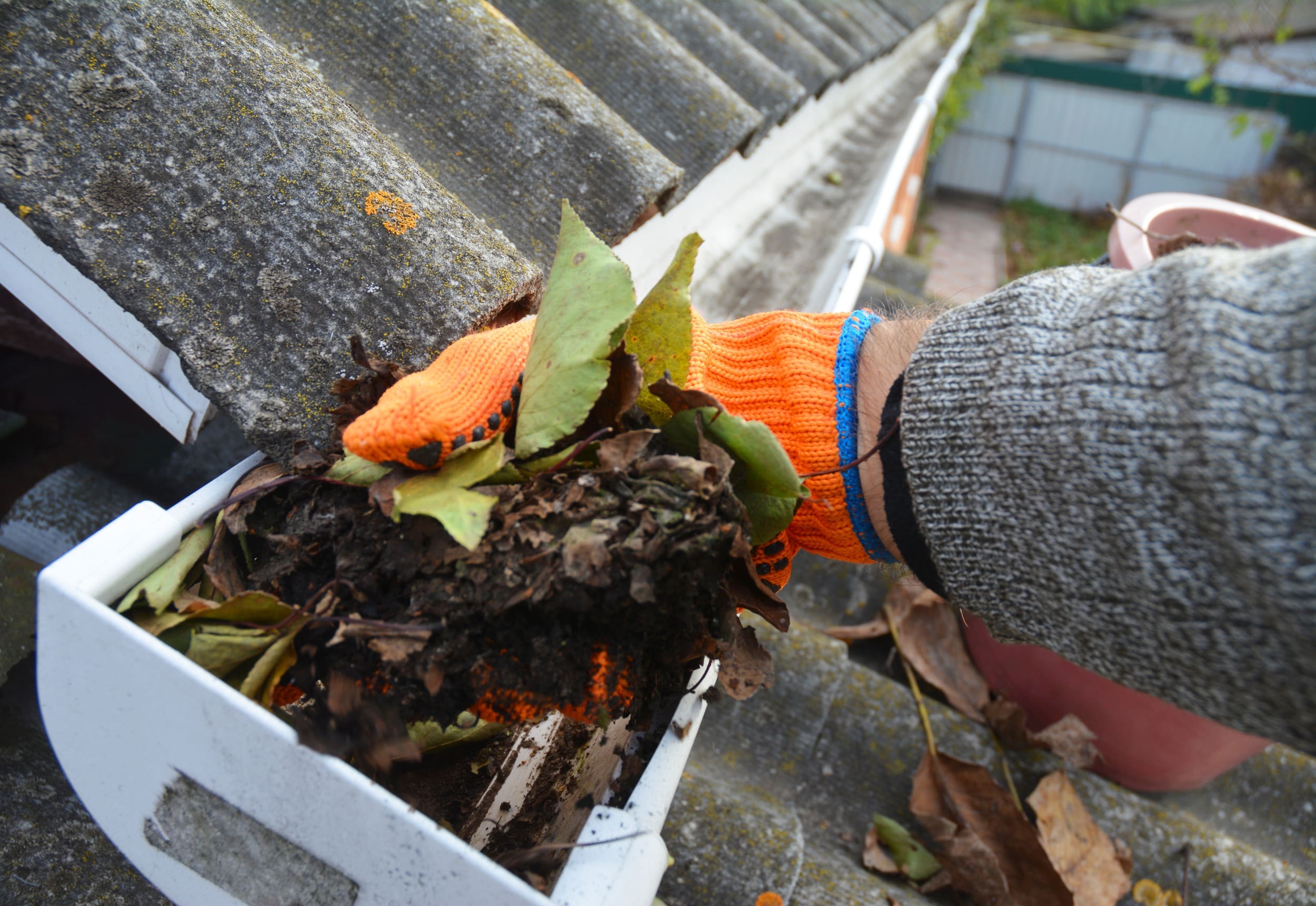
But wildfire resilience also depends on the conditions of private homes and the residents who live in them. Many homes are destroyed when wind-driven embers ignite vulnerable areas on or near the structure, including dry leaves in gutters, combustible materials in the first five feet, wood fencing attached to the home, or vents that allow embers inside. These are risks that public agencies cannot solve alone, and where the shared responsibility for wildfire preparedness comes into play.
The new Community Wildfire Protection Plan provides neighborhood-level assessments that help identify localized wildfire vulnerabilities and prioritize the types of mitigation work needed in different areas of Marin. Wildfire Risk Home Evaluations build on that broader planning effort by giving residents a prioritized, property-specific look at their own home and yard. Together, these tools connect countywide strategy with individual action.
That is why home evaluations are so important. They help residents understand where their home is most vulnerable and what improvements can make the biggest difference. When agencies invest in community-scale mitigation and residents take action on their own properties, the result is a safer home, a stronger neighborhood, and a more wildfire-resilient Marin.
Your Personalized Wildfire Risk Report
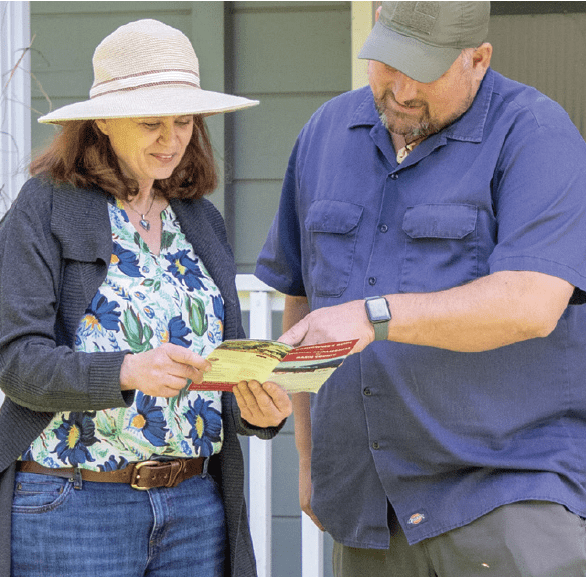
After an evaluation, residents receive a personalized Wildfire Risk Report. This report identifies specific risks found on the property and provides a prioritized list of recommended or required improvements.
The report may include issues related to defensible space, vegetation management, access, vents, gutters, fencing, decks, siding, or combustible materials close to the home. It may also include photos and location details to help residents understand exactly what was observed and where action is needed.
Rather than guessing where to start, residents can use the report as a roadmap. Some recommendations may be simple weekend projects, such as clearing leaves from gutters, moving firewood away from the home, or removing combustible items from Zone 0, the first five feet around and under a structure. Other improvements may take more planning, such as upgrading vents, replacing combustible fencing, or improving landscaping over time.

Small Actions Add Up
Wildfire preparedness is most effective when it happens property by property and neighborhood by neighborhood. One home with reduced risk is safer. A block of homes taking action together is stronger. A neighborhood where many residents address their highest-priority risks becomes more resilient. The most effective and efficient way of reaching that level of resilience is by organizing and becoming a Firewise neighborhood.
When residents open their reports and complete recommended improvements, they help reduce the chance that one home becomes an ignition point for others. These actions can also improve firefighters’ ability to safely defend neighborhoods during extreme fire conditions.
Every improvement matters. Resilience is built step by step, and when individual actions are repeated across a neighborhood, they help strengthen the entire community.
How Much Work Does it Take?
Home hardening does not always require major construction or a full retrofit. Many of the most effective improvements focus on reducing the places where embers can enter or ignite a home, such as vents, gutters, decks, fences, mulch, and materials within the first five feet of the structure. Strategic upgrades made over time, paired with regular landscaping maintenance and developing defensible space, can meaningfully reduce wildfire risk.
This can include practical steps such as replacing standard vents with ember- and flame-resistant vents, keeping gutters clear, adding metal gutter guards, removing combustible materials from decks and under-deck areas, replacing bark mulch near the home with gravel or other noncombustible materials, and creating a well-maintained Zone 0.
What To Do Now
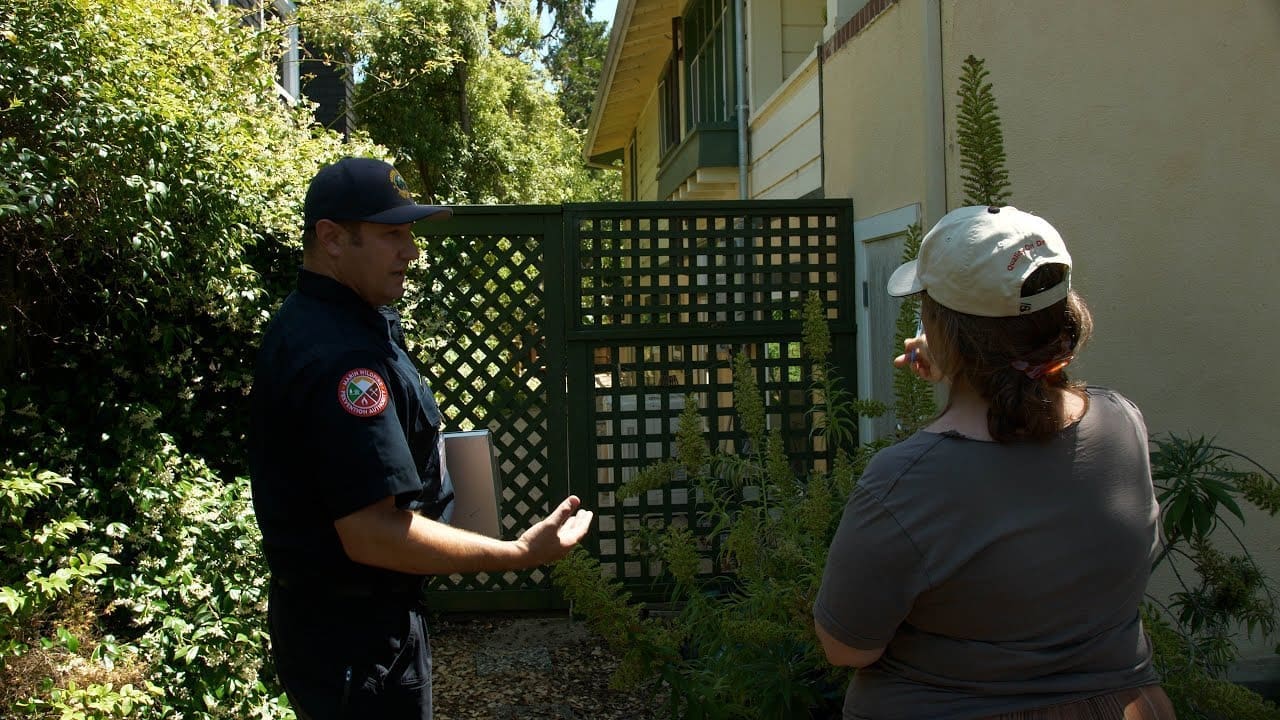
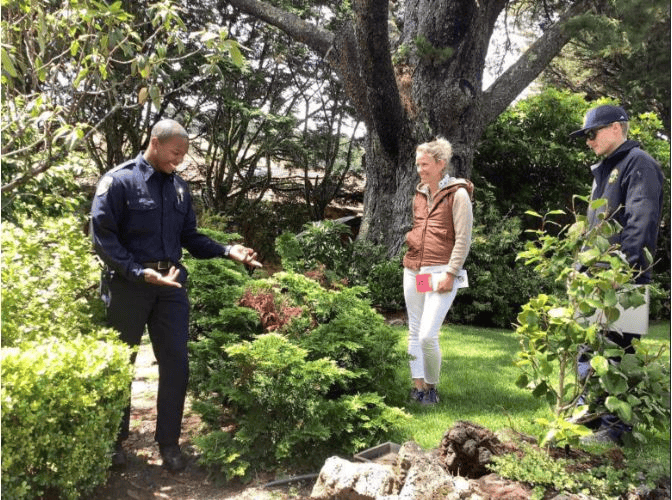
If an inspection is scheduled in your neighborhood this summer, watch for information from your local fire agency. When possible, residents are encouraged to be present during the evaluation, ask questions, and learn directly from the inspector.
If your home has already been evaluated, review your Wildfire Risk Report and understand the recommendations. Start with the highest-priority items and focus on the areas closest to your home first, especially Zone 0.
To access your report, visit Marin Wildfire’s Wildfire Risk Report webpage and enter your address and access code. After the evaluations, reports may take a day to become available.
When your report is available, open it! Review your priorities. Take action where it matters most. Help build a more wildfire-resilient Marin.
Important Details
- Not sure if your neighborhood or property has had an evaluation? Or interested in requesting an evaluation? Check the Home Evaluation Program webpage or contact your local fire agency.
- Some agencies do have different scheduling procedures or conduct neighborhood canvassing over specific periods of time. Please check directly with your local agency if the Marin Wildfire program webpage does not show you the necessary information.
- SAN RAFAEL and MARINWOOD residents can find info and schedule evaluations through an online portal specifically for their area.
- It is HIGHLY RECOMMENDED that residents be present for the evaluation and walk the property with the inspector. It’s a great chance to ask questions, learn what the inspector is looking for, and better understand your property’s wildfire risks.
- If you are unable to attend your evaluation, please submit a right-of-entry form online through your evaluation program portal.
- Wildfire risk home evaluations are required if you want to be eligible for assistance programs such as potential grants or reimbursements.
Who Handles Your Local Eval Program?
- For residents in South, Central, and West Marin areas, including the Ross Valley, Corte Madera, Larkspur, Mill Valley, Southern Marin, and all of West Marin, please contact Marin Wildfire at 415 275-1185 or dspace@marinwildfire.org
- For City of San Rafael (incorporated area) and Marinwood residents, contact the San Rafael Fire Department‘s Wildfire Mitigation Team at 415-485-3054 or email srfd.dspace@cityofsanrafael.org.
-
- City of San Rafael and Marinwood residents should use the area specific program portal.
-
- For the Novato area, please contact the Novato Fire District’s Mitigation Team at 415-878-2622 or email wma@novatofire.org.

Tiburon and Belvedere are served by Tiburon Fire District, which is not part of the Marin Wildfire JPA. You can find information on how home inspections in those communities are handled on the Tiburon Fire District website. To check your jurisdiction, visit MarinMap.
Home Evaluation Tips
The following guidance is to help with some of the most common issues cited during home evaluations:
- Stop fire ladders
- Cut annual grasses and weeds
- Remove leaf litter
- Remove dead or dying trees
- Remove tree limbs within 10′ of chimney
- Remove tree limbs overhanging structure
- Clear trees or limbs encroaching on roadway or driveway
- Clear shrubs encroaching on roadway or driveway
- Clear combustible vegetation or debris near roadway or driveway
- Remove or replace combustible mulch
- Relocate firewood at least 30’ away from structures
- Relocate recycling and garbage cans vulnerable to embers
- Install high-visibility address numbers to meet standards
- Install high-contrast and reflective address numbers to meet standards