El Niño is a natural climate pattern in which unusually warm water in the tropical Pacific influences weather around the world. For Marin, it can increase the likelihood of a wet winter. But what does that mean for wildfire risk?
On September 30, climate scientist Dr. Daniel Swain joined Marin Wildfire Executive Officer Mark Brown and other local experts for a presentation and panel discussion at the College of Marin. They explored what a potentially historic El Niño could mean for our communities, including how winter storms and wildfire risks are connected.
Why a wet winter can increase wildfire risk
Heavy winter rain can rapidly increase the growth of vegetation including various types of grass. During the panel, Brown explained that the abundant growth eventually dries out, leaving more “flashy fuel,” which are fine, dry materials that ignite easily and cause wildfire to spread quickly. Having a wet winter means there is more vegetation to manage or remove before the next wildfire season.
There are also risks before the winter rains arrive. Dry conditions and seasonal high winds can continue to create dangerous fire weather in October and November. Brown noted that the unpredictable winds are typically associated with tropical storms as they move farther north. These could add to the high wind hazards Marin already faces during the dry fall months, a combination that can cause Red Flag Warnings and an increased risk of wildfire.
Wildfire can also make the storms that follow more dangerous. Brown pointed to the deadly debris flows in Montecito, near Santa Barbara, after the Thomas Fire. Heavy rain on recently burned hillsides can trigger fast-moving flows of mud, rocks and other debris, threatening communities below and causing a different, yet still dangerous, type of disaster.
What El Niño could bring to Marin
Dr. Swain emphasized that El Niño is a natural event, while climate change can amplify its effects. As heat and moisture move through the atmosphere, weather patterns shift around the globe. Some regions can experience severe drought while others face heavy rain and flooding. Combined with long-term warming, this El Niño could contribute to record-breaking global temperatures in 2027.
During the panel, Dr. Swain described the developing event as potentially the strongest El Niño on record. For Marin, he highlighted several concerns:
A very wet winter
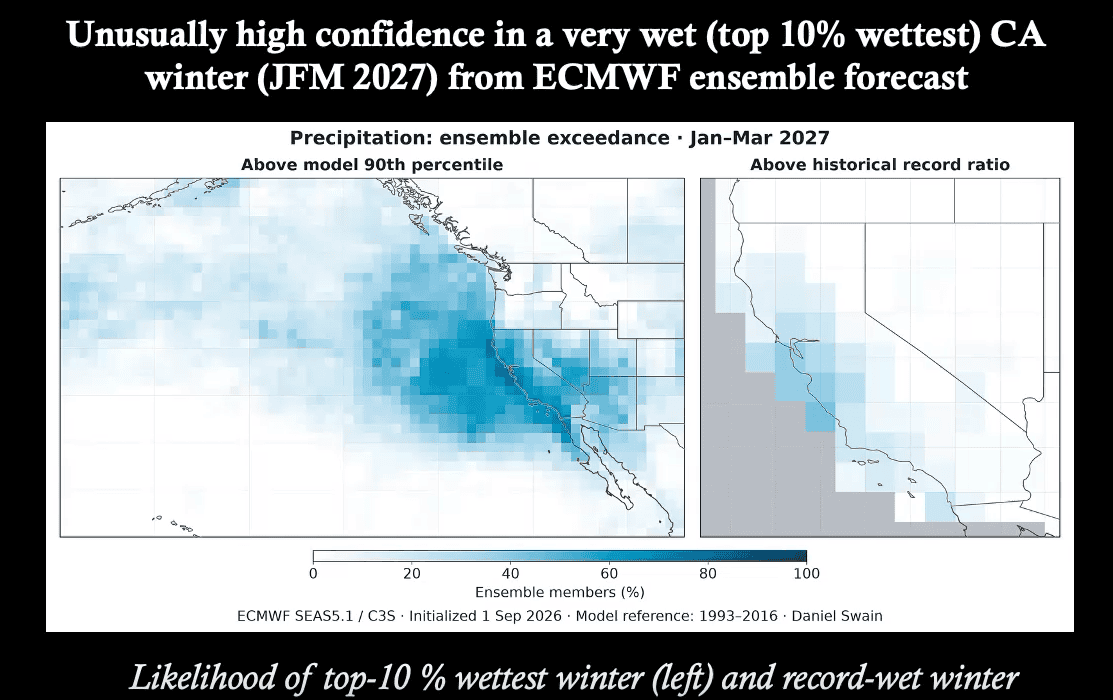
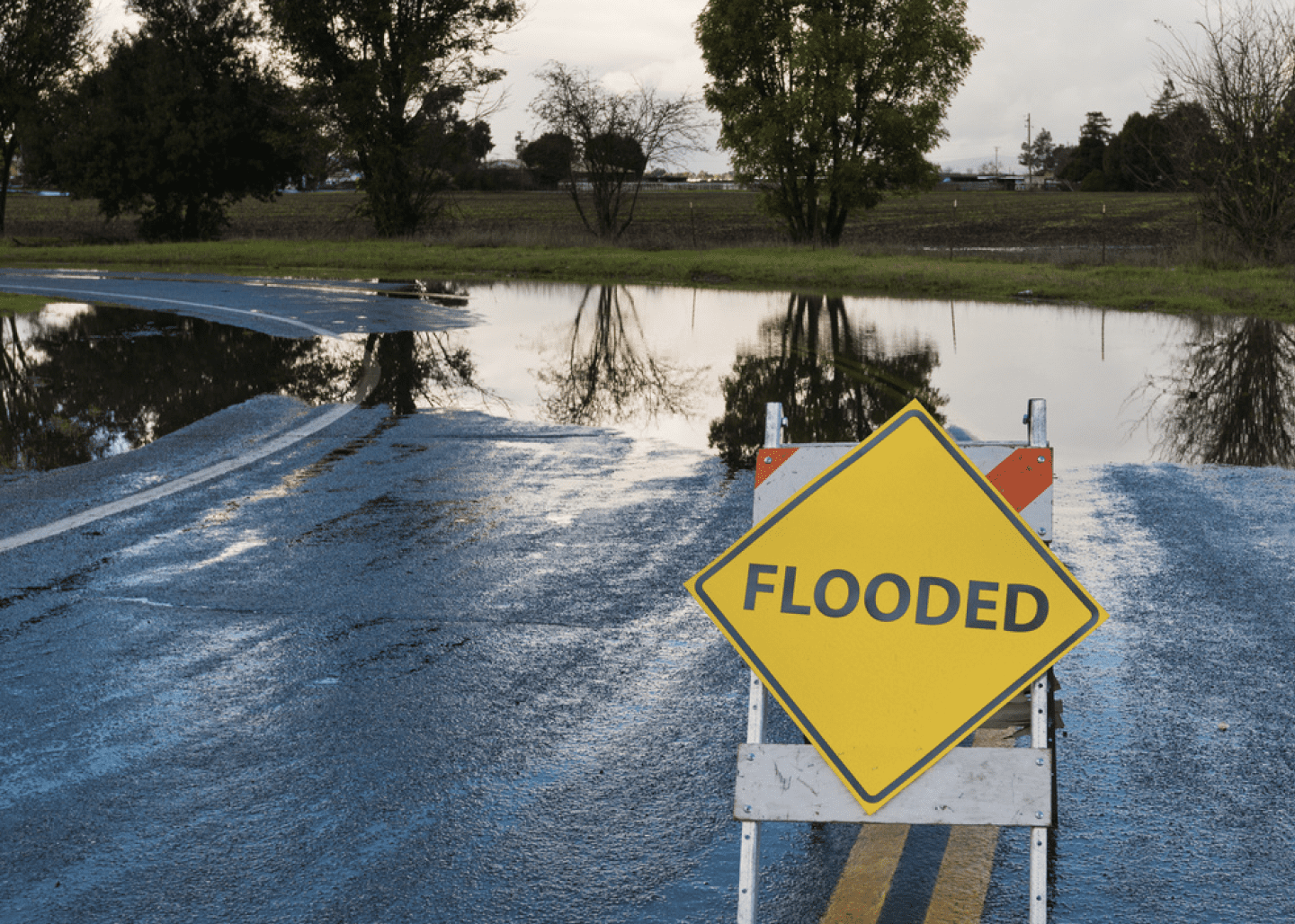
Dr. Swain estimated a 70% chance of a very wet winter for Marin. Heavy rainfall could increase flooding along creeks, in neighborhoods and on roads, especially during back-to-back storm fronts.
Temporarily higher coastal water levels
The climate scientist warned that water could rise roughly one to two feet above the predicted tide levels. Higher water along the coast and Bay shoreline would likely cause flooding even without a storm, with additional risks when high tides and storm conditions coincide.
Large waves, erosion and strong coastal winds
Powerful wave action can worsen shoreline erosion and coastal flooding. Strong winds can also damage trees, knock down powerlines, and disrupt transportation.
A strong El Niño increases the likelihood of certain conditions, but it does not predict the timing, location or severity of individual storms. Forecasts and emergency guidance will become more specific as storms approach.
Prepare your property, start with your home
Marin Wildfire consistently recommends the “house-out” approach, which entails strengthening homes and their immediate surroundings, then reducing vegetation fuels across the property to help limit fire intensity. Residents can use their Wildfire Home Risk Reports to prioritize improvements.
Interestingly, much of the property maintenance work against wildfire also helps prepare a home for winter storms and flood risk:
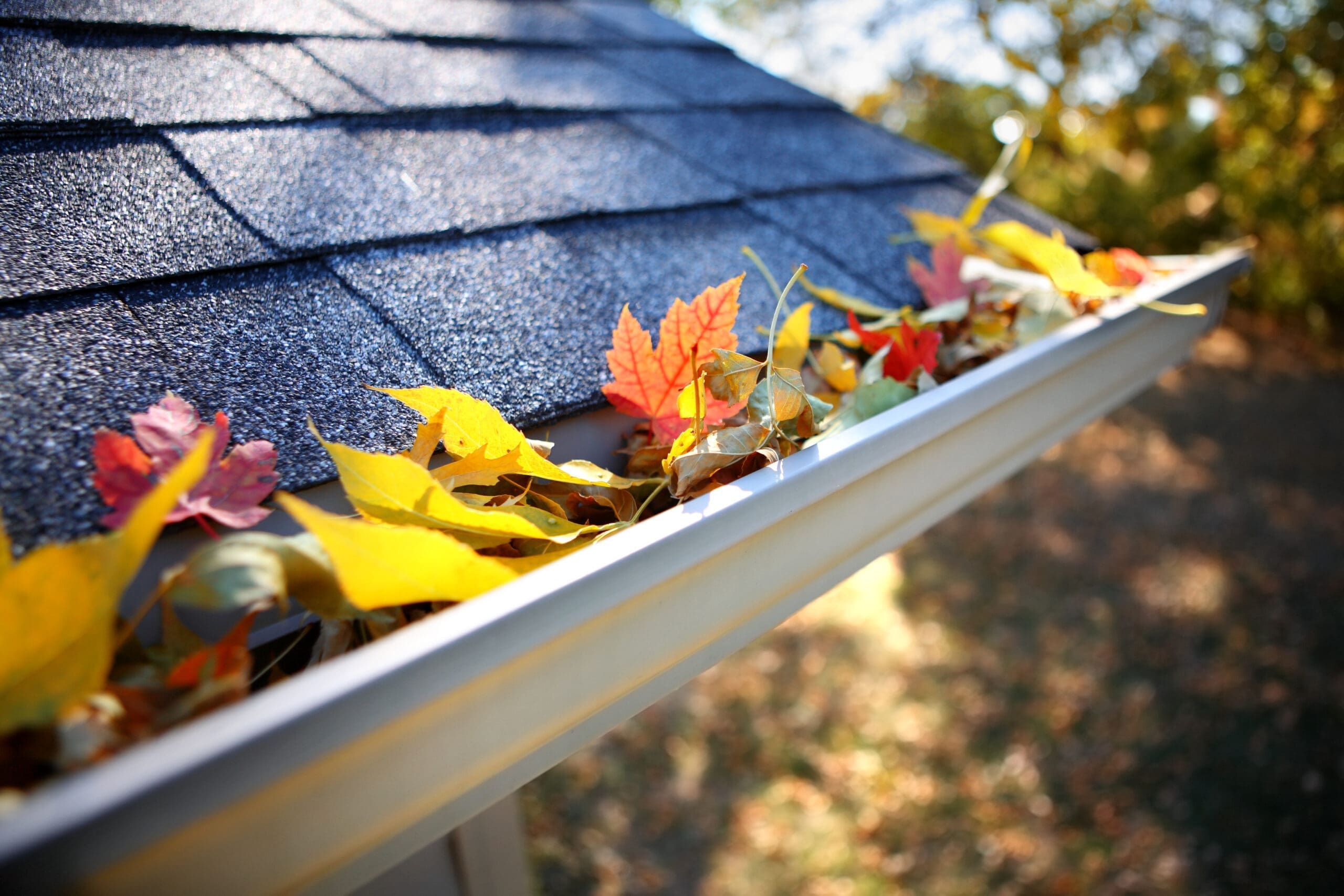
Clear roofs, gutters and storm drains
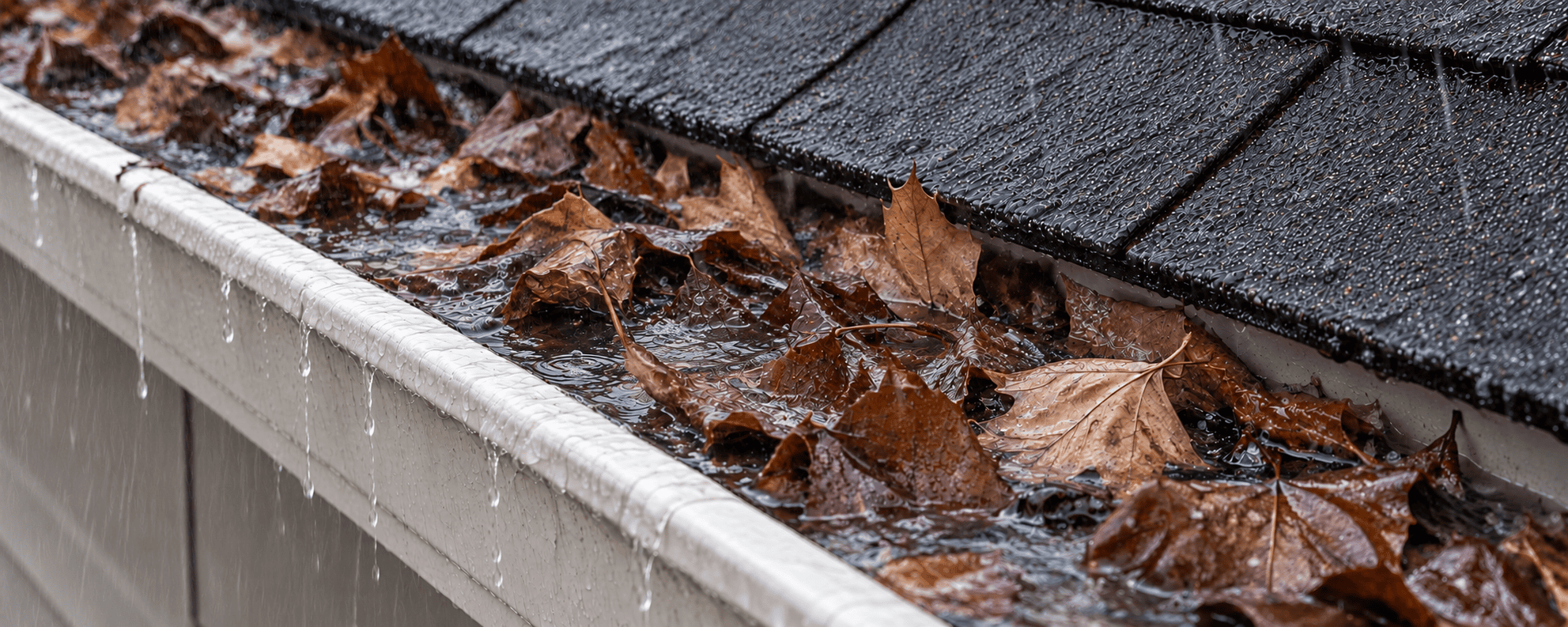
Remove leaves and other debris that could ignite from embers or clog floodwater. Before this El Niño storm season arrives, check to see if any repairs are needed.
Strengthen your home’s protection
Address wildfire vulnerabilities such as vents that allow embers inside, damaged roofing and gaps around doors. Roof repairs and proper door seals also help protect against wet winter weather, particularly during an El Niño year when flood risk increases. Visit our home hardening resources for guidance.
Maintain Zone 0 and the surrounding yard
Keep the first five feet around your home free of combustible vegetation and materials. Farther out, remove dead vegetation, maintain appropriate spacing between plants and manage seasonal grass growth. Have potentially hazardous trees assessed before the strong winter winds pick up. Before a storm, secure loose outdoor items, such as patio furniture; when keeping with Zone 0 standards, such items should already be clear of the home.
Resources to help you get started
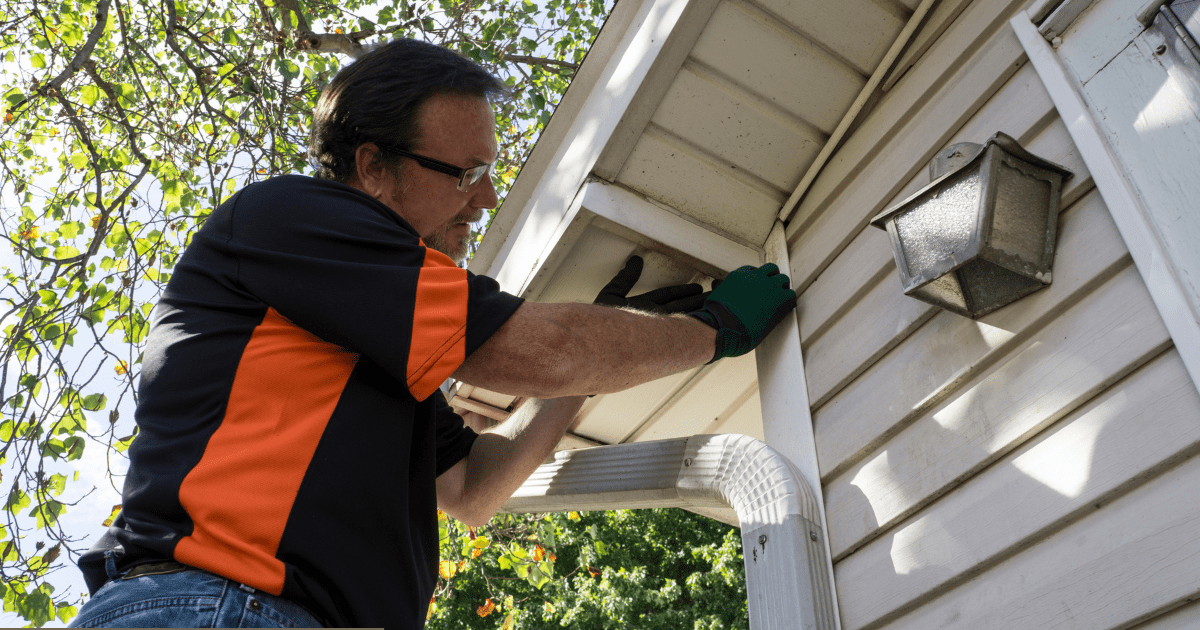
Start with lower-cost improvements
CAL FIRE’s Low-Cost Retrofit List offers practical and economical ways to reduce your home’s wildfire vulnerabilities, including sealing gaps where embers can enter, repairing damaged siding, and installing noncombustible gutter covers, among other smaller yet effective retrofit upgrades. CAL FIRE also recommends upgrading to fire-resistant materials for roofs, windows and other features when they are already due for replacement. Use it alongside your Wildfire Home Risk Report to plan improvements that fit your needs and budget.
Make yard maintenance a habit
Download Fire Safe Marin’s Fire Smart Yard Checklist, available in English and Spanish. It provides a weekly reminder to clear debris, maintain Zone 0, prune plants and keep appropriate spacing between them. Share it with your gardener, landscaper or anyone who helps care for your property. This helps make your property more resilient against both wildfire and flooding with only marginal differences in maintenance tasks.
Find a contractor with wildfire training
For projects that need professional help, use Fire Safe Marin’s contractor guidance resource, which includes a list of licensed contractors who have completed Fire Safe Academy’s Retrofitting for Wildfire course. Look for the “Retrofitting for Wildfire Course” badge, which signifies that a contractor has completed the course completion. Before hiring, check licenses, insurance and references, and ask how the proposed work addresses your risks and budget. All this and more can be found on our contractor resource page.
Additional ways that it pays to prepare
Making wildfire-resistant upgrades to your property not only helps with resilience against severe storms and flooding, but also provides several secondary benefits to your home. By using resilient materials, your property will require less frequent maintenance, become more durable due to the longer useful lifespan of many of the recommended materials, and lower energy costs through more effective construction methods and design choices.
Preparation extends beyond the yard
Sign up for AlertMarin or update your account’s contact information. The alert system is the first and foremost important advance warning you can get in Marin. It is also important to make a household communication and evacuation plan, and keep medications, important documents, flashlights, chargers and pet supplies accessible.

Prepare for both leaving home and staying through a power outage. Connect with neighbors, including anyone who may need extra help. All of that guidance relates to both wildfire and flooding, and additional details can be found on ReadyMarin’s El Niño Preparedness webpage.