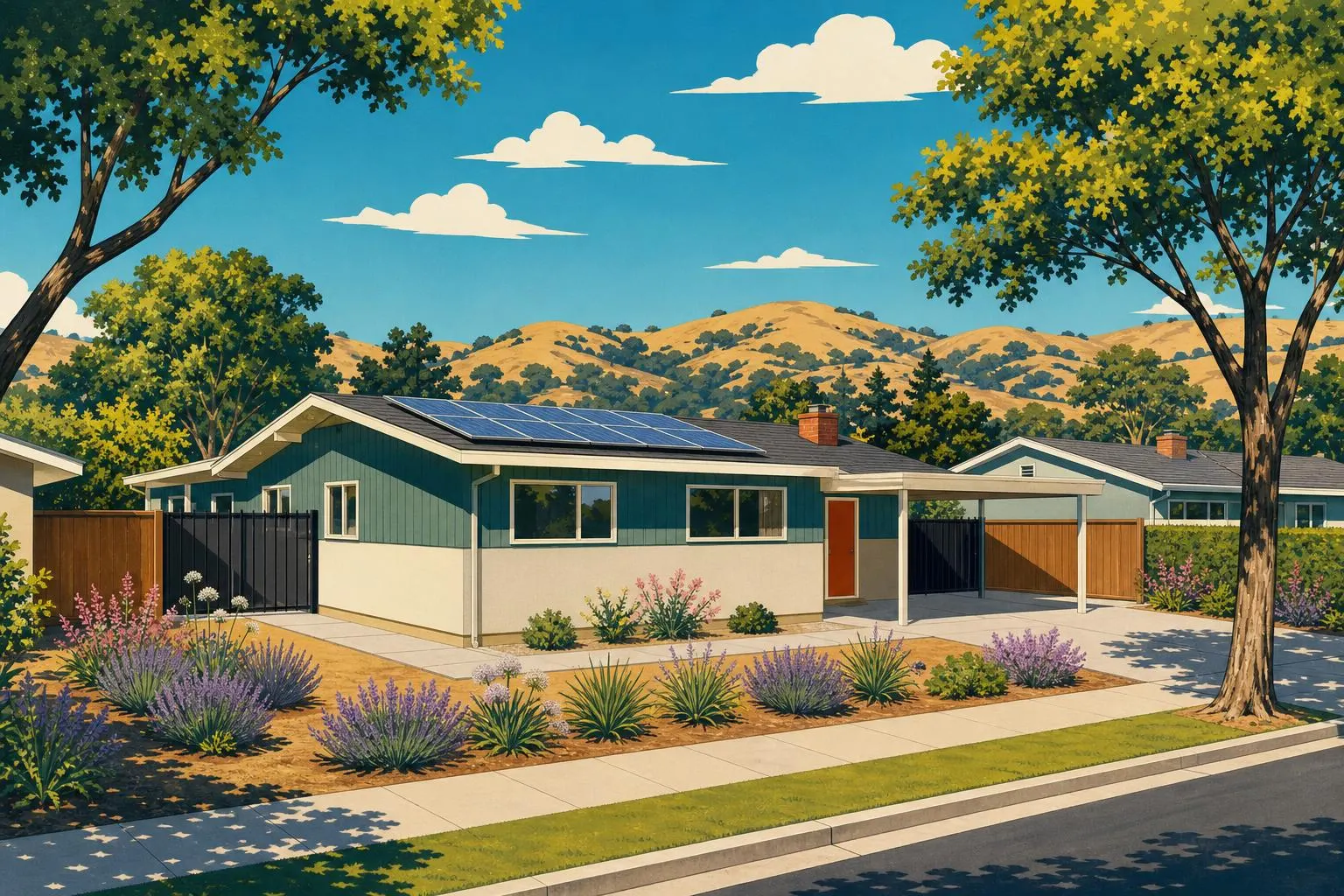
Reduce wildfire risk and save more over time.
3 Ways Wildfire-resistant Upgrades Pay Off
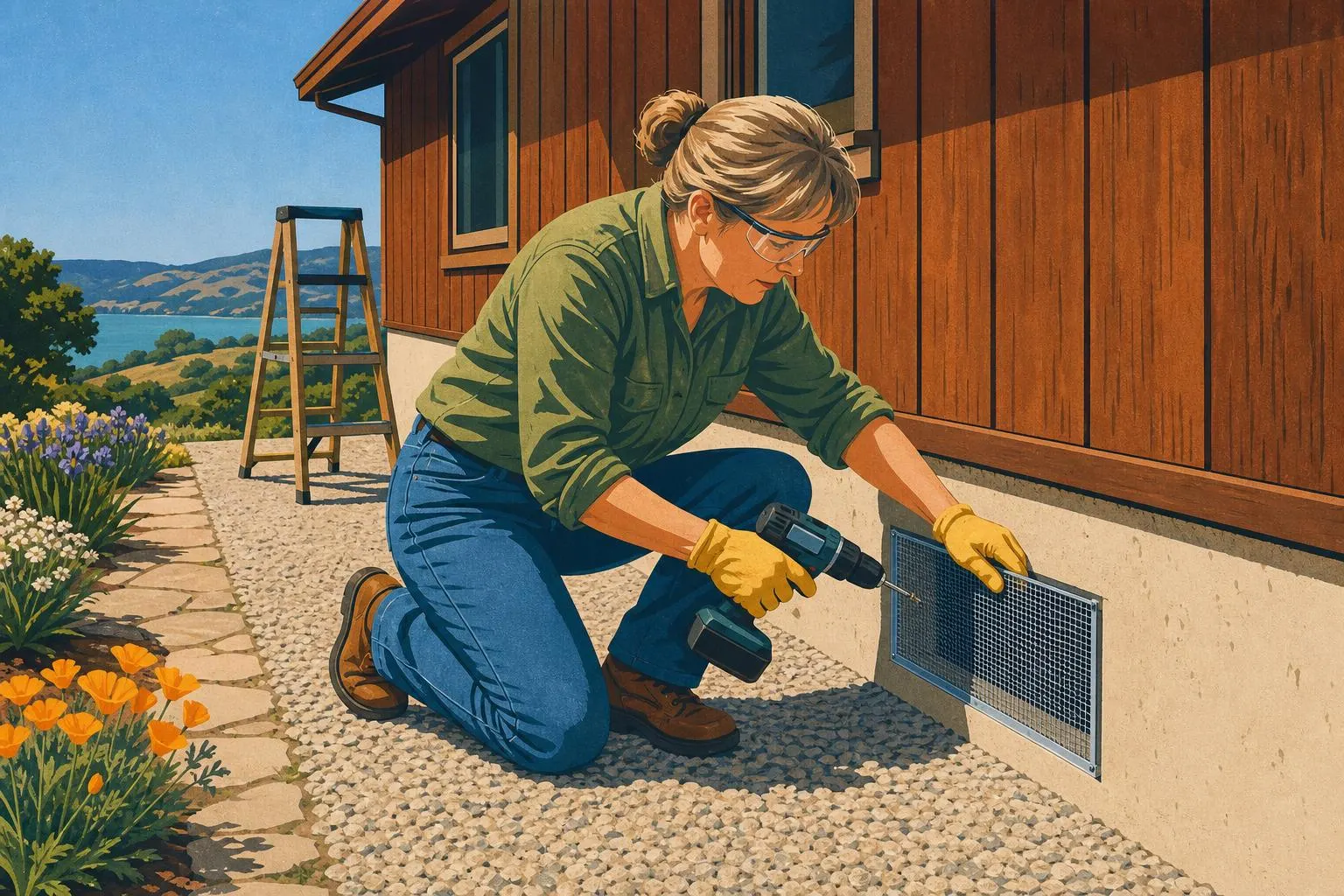

1. Less maintenance
Spend less time on upkeep.
- Metal gutters need less care than wood, which requires painting, sealing and oiling.
- Fiber cement or stucco siding only needs occasional cleaning, versus wood needs maintenance every 3–5 years.
- Rock or gravel beds need virtually no upkeep, while mulch should be replaced at least every 2 years.

2. Longer life
Replace materials less often.
- Composite decking lasts 25–30 years, compared with 10–20 years for wood.
- Metal vents can last 2–6 times longer than plastic.
- Fiber cement, brick or stone siding lasts 50–100+ years, versus just 15–35 years for wood.

3. Lower energy costs
Some upgrades help lower energy bills.
- Reflective metal roofs can cut cooling energy use by 20%+ in hot climates, depending on insulation and color.
- Steel and fiberglass doors insulate up to 5 times better than wood.
- Wildfire-resistant, energy-efficient windows can cut heating energy costs by 15–30% in cold climates.
Results vary by climate, installation, product and maintenance.

Need professional help?
There are a lot of options out there to make your home more wildfire-resilient, and it can seem overwhelming. Sometimes a licensed contractor who’s knowledgeable about fire safe practices can help you achieve the larger projects. Fire Safe Marin’s guide to choosing a contractor includes more questions and a list of professionals who completed Fire Safe Academy’s wildfire retrofit training course. The list is a starting point, not an endorsement; homeowners should verify each contractor’s qualifications.
The Fire Safe Academy’s “Retrofitting for Wildfire” contractor training course is produced by Fire Safe Marin and made possible through a generous grant from Marin Community Foundation and the support of Marin Wildfire and the Marin Builders Association.