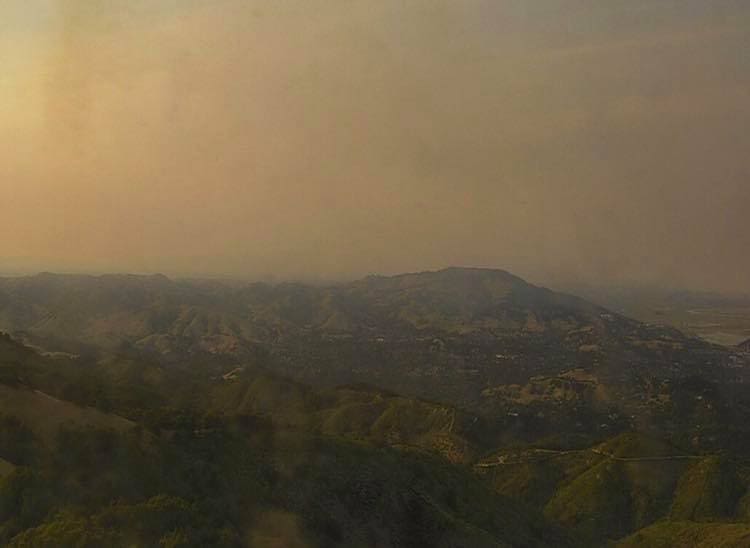
During the last few days of July, concentrated smoke from the Woodside Fire in Sonoma County reached Marin. Just a few days later, smoke from wildfires in Oregon and Washington moved into the Bay Area, bringing periods of haze and localized smoke impacts.
While the fires were in different places, they carried the same reminder: A wildfire does not have to be in Marin to affect the air we breathe. Smoke can travel long distances, and conditions can change quickly. Being knowledgeable and prepared can help you protect yourself and your family.

Know where to find reliable information
Different alert services provide different types of information:
- AlertMarin is Marin County’s main emergency notification system. It sends urgent information and instructions by phone, text, or email during wildfires, evacuations, and other emergencies.
- If you haven’t already, sign up now. If you are signed up, make sure your contact information is current, and allow alerts to bypass your phone’s “Do Not Disturb” settings.
- AirNow provides reliable air quality readings and is a good resource to help you decide when to limit outdoor activities or take other precautions.
Wildfire smoke can affect anyone. Children, older adults, pregnant people, and people with heart or lung conditions may be especially sensitive. Do not wait until you see or smell smoke. Pay attention to changing conditions and follow instructions from local officials.
Before the air gets smoky
When the sky begins to look hazy and the smell of smoke reaches your neighborhood, it can be difficult to know what to do first. A little preparation gives your household a plan to follow when the time comes.
Start with the people who may need extra care. Talk with your doctor if anyone in your household has a health condition that could be affected by smoke, such asthma or heart disease, and keep needed medications and easy-to-prepare food on hand.
Next, decide how you will keep the air inside your home as clean as possible. Choose a room in your home with the fewest windows and doors where you can run an air purifier. When smoke arrives, close windows and doors, set your heating or cooling system to recirculate air, and avoid activities that create more particles indoors, such as smoking, burning candles, frying food, or vacuuming without a HEPA filter.
Limit time outdoors until conditions improve. If you must go outside, wear a well-fitting N95 mask. If you’re driving, keep the windows closed and set the car’s ventilation system to recirculate. Schools typically monitor air quality and would cancel sports and other activities if necessary, but it is still recommended that you check with your school district to confirm their process.
It is also important to have a backup plan. Know where you could go if your home becomes too hot, loses power, or cannot keep smoke out.
Smoke can cause coughing, headaches, irritated eyes, a sore throat, or trouble breathing. Pay attention to how everyone in your household is feeling, especially children, older adults, pregnant people, and those with heart or lung conditions.
Visit Fire Safe Marin’s Prepare for Smoke page for more steps you can take before, during, and after smoky conditions.
Prescribed burns in Marin
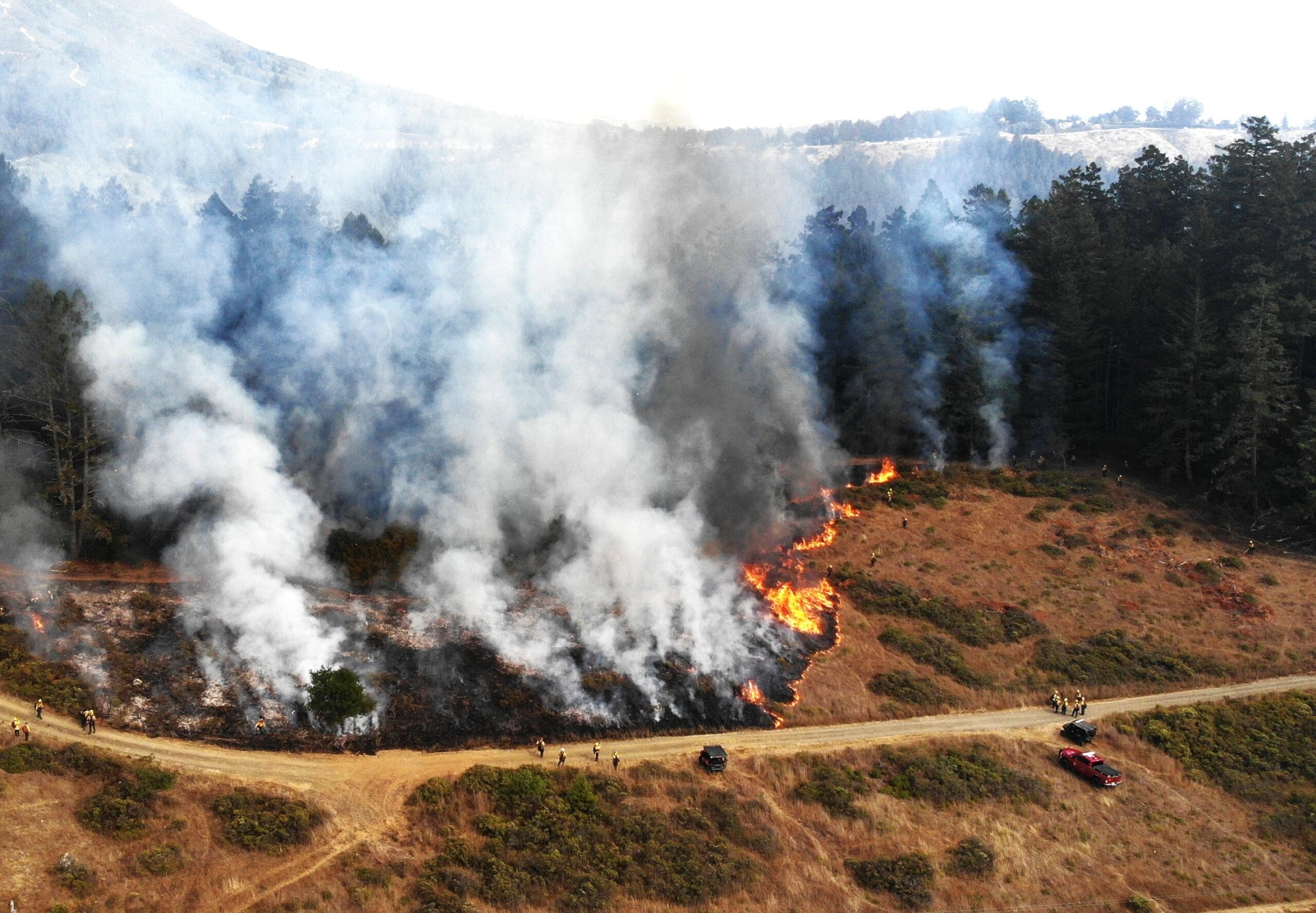
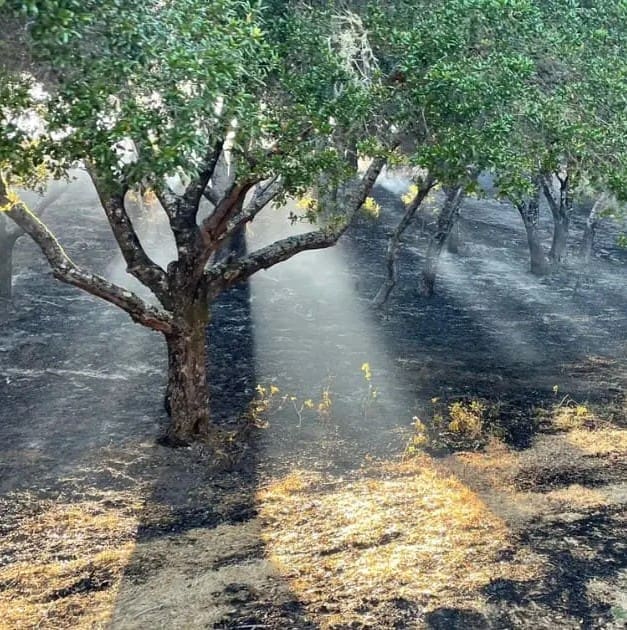
Fire professionals and land managers sometimes use prescribed burns (sometimes referred to as “controlled burns”) to reduce dry vegetation and lower future wildfire risk. These burns are carefully planned and carried out by trained professionals under specific weather and air-quality conditions.
People near a prescribed burn may see or smell light smoke for a limited time. Check official information from local fire agencies before assuming the smoke is from an uncontrolled fire. When signing up for AlertMarin, select the “Prescribed Burns” alert group to receive notices about planned burns.
After the smoke clears
Once outdoor air quality improves, open windows to air out your home and enjoy a breath of fresh air. Be sure to replace dirty filters in your heating and cooling systems as well as your portable air purifiers. Usually it’s also a good idea to clean the hardtop surfaces of your home with soap and water to remove smoke residue.
Smoke may be part of fire season, but it does not have to catch you unprepared. Sign up for alerts, monitor air quality, prepare a cleaner-air room, and know where you can go if your home is no longer a safe place to stay.
Learn more on Fire Safe Marin’s smoke preparedness page.