What is this all about?
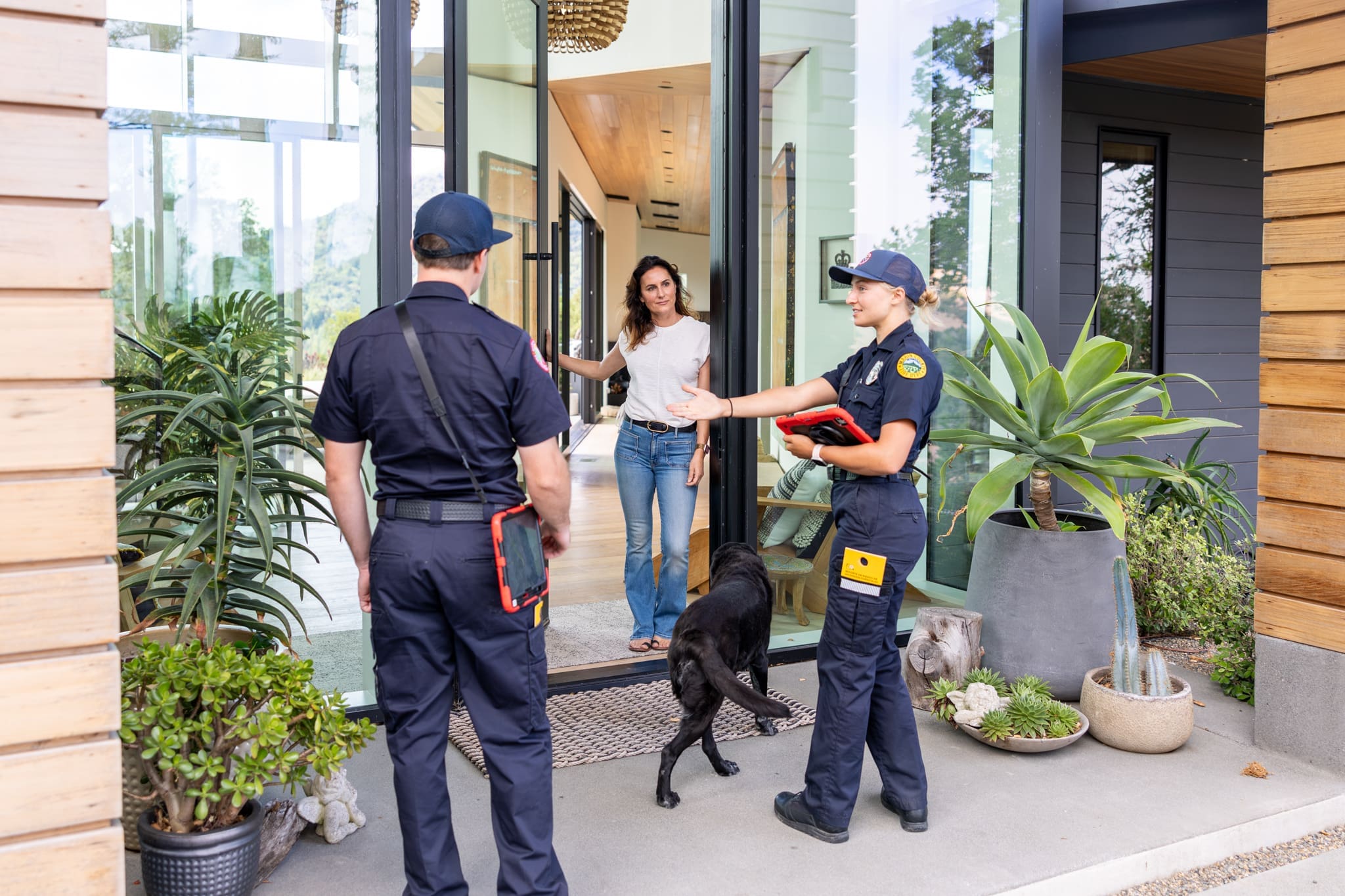
Wildfire Risk Home Evaluations are conducted by trained specialists from your local fire agency or wildfire mitigation program. The program differs between agencies in Marin, so it is recommended that you check with your local fire agency to find out if your evaluation is something that needs to be scheduled.
It’s recommended that you walk the property with the wildfire mitigation specialist. This provides an opportunity to ask questions, better understand wildfire risk, and discuss practical mitigation options specific to your home.
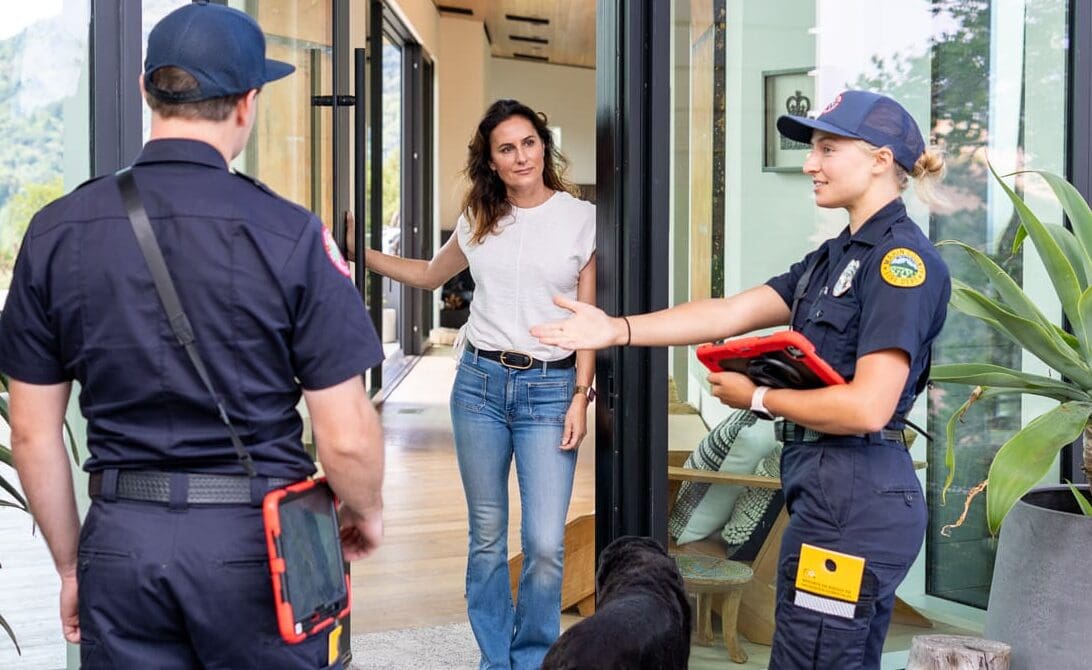
However, if you can’t be at home during the appointed time, assessors will complete an evaluation using observations that can be made from publicly accessible areas, such as the street or sidewalk. If permission has been granted through a Right-of-Entry form, which can be obtained through your local fire agency, specialists may conduct a full property evaluation even if you can’t be present.
Once your Wildfire Risk Home Evaluation is complete, you will receive your personalized Wildfire Risk Report, which can help you decide what to do next.
Your report is your roadmap
Your risk report is a practical guide to help you understand your home’s strengths, identify areas that need attention, and decide where to begin.
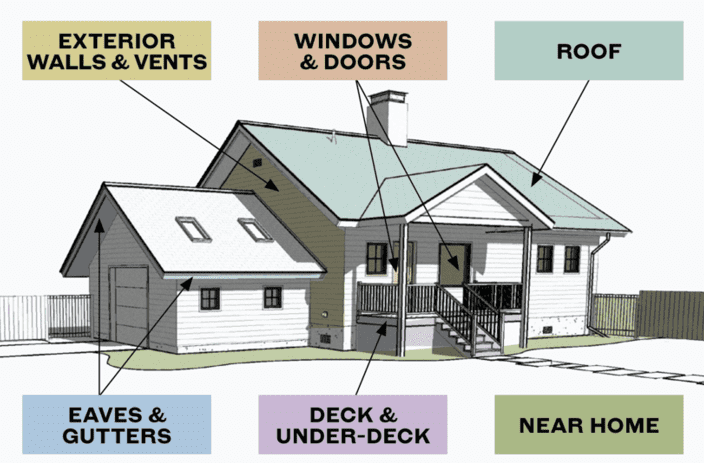
During the evaluation, the wildfire mitigation specialists look at the external components of your property. They review vegetation and defensible space, along with roofs, vents, gutters, decks, fences, attached structures, outdoor storage, and other items that could affect how a wildfire could ignite your home.
In addition to looking for components that could be improved, the specialists also document features that are already helping protect your home, such as well-maintained vegetation, noncombustible landscaping materials, paved areas, ember-resistant vents, and other wildfire-resistant elements.

What should you do with your report?
Ideally, all aspects of your home and landscape work together as an overall system to improve the safety of your property. A clean roof and gutters can help reduce the chance that embers will ignite debris. Ember-resistant vents can help keep embers from entering the home. Removing items that can burn next to the home can help prevent a small fire from expanding and reaching the structure. Improvements in each area add another layer of protection.
Your Wildfire Risk Report includes photos, existing safety strengths, identified risks and vulnerabilities, as well as prioritized recommendations for improvement. While a list of items can feel overwhelming, you are not expected to address everything at once. The goal is to focus first on any required corrections and the highest-priority risks. Once completed, mark it in your report, and then choose the next item in the prioritized list that you feel is manageable for your time and budget.
Only you and your local fire agency have access to the report; it is not shared with insurance companies. Some insurance companies may consider wildfire safety improvements when evaluating a property. Contact your insurance provider to see which improvements may qualify for a discount or other consideration.
Recommendations and violations: What is the difference?
Your report may include both recommendations and defensible space violations that need your attention. Both types of items matter. Addressing them over time can reduce weak points and improve your home’s ability to withstand wildfire.
- Violations identify conditions that do not meet state or local defensible space requirements. If your report includes a violation, follow the instructions in the report or contact your local fire agency with questions.
- Recommendations identify additional ways to reduce the chance that embers, heat, or flames will ignite your home. They may include tasks such as installing ember-resistant vents, enclosing open eaves, replacing a wooden fence or gate attached to the home, or removing combustible items near your home. These recommendations are based on wildfire research and lessons learned from homes exposed to real fires.
Your report is designed to reflect your progress. As you complete an item, mark it as resolved in the report and upload photos when possible. Photos create a helpful record of the work and allow your local fire agency to review the improvement.
Keep your report access code in a safe place. Your code stays the same from year to year, so you can return to your report at any time, record completed work, and review new information after future evaluations.
Look for financial assistance
Some items identified in your report may qualify for financial assistance through your local fire agency or another wildfire prevention program. Eligibility, available funding, and qualifying projects vary by location. In many cases, the work must appear in your Wildfire Risk Report before you can apply. Check with your local fire agency for details.
Finding the right contractor
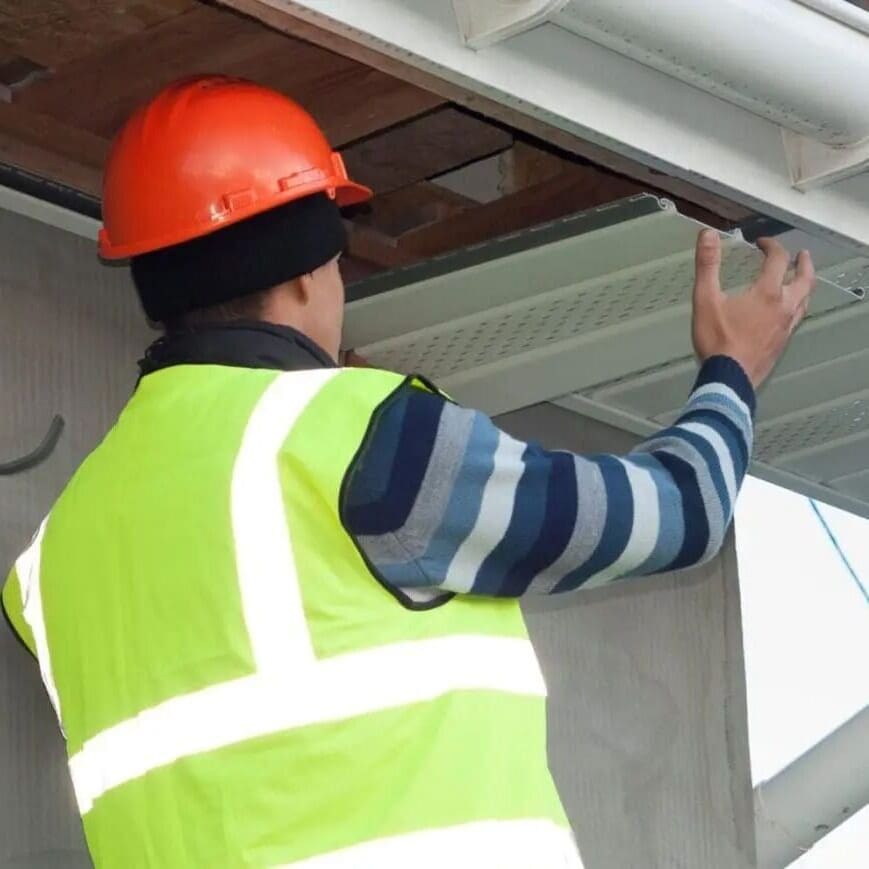
Homeowners can complete many wildfire safety improvements by themselves. However, some projects may require a licensed contractor or a professional with specialized experience. Before hiring someone, review your report so you understand the recommended work and your priorities. Get multiple estimates and ask whether the contractor has experience completing wildfire safety improvements.
Visit our Contractor webpage for resources, questions to ask, and guidance on choosing a qualified professional.
Progress matters
No home can be made completely wildfire-proof. During extreme conditions, even a well-prepared home may be damaged or destroyed. But reducing weak points can improve the chance that a home survives and make it safer for firefighters to defend when conditions allow.
The goal is not perfection, it’s to make progress. Open your report, choose one priority, complete the work, and keep going. Every action helps reduce risk for your home and your neighborhood.