So you’ve received your official Wildfire Home Risk Report and you’re now ready to make some improvements. How do you sort through the upgrade options, and who should you hire for the bigger projects?
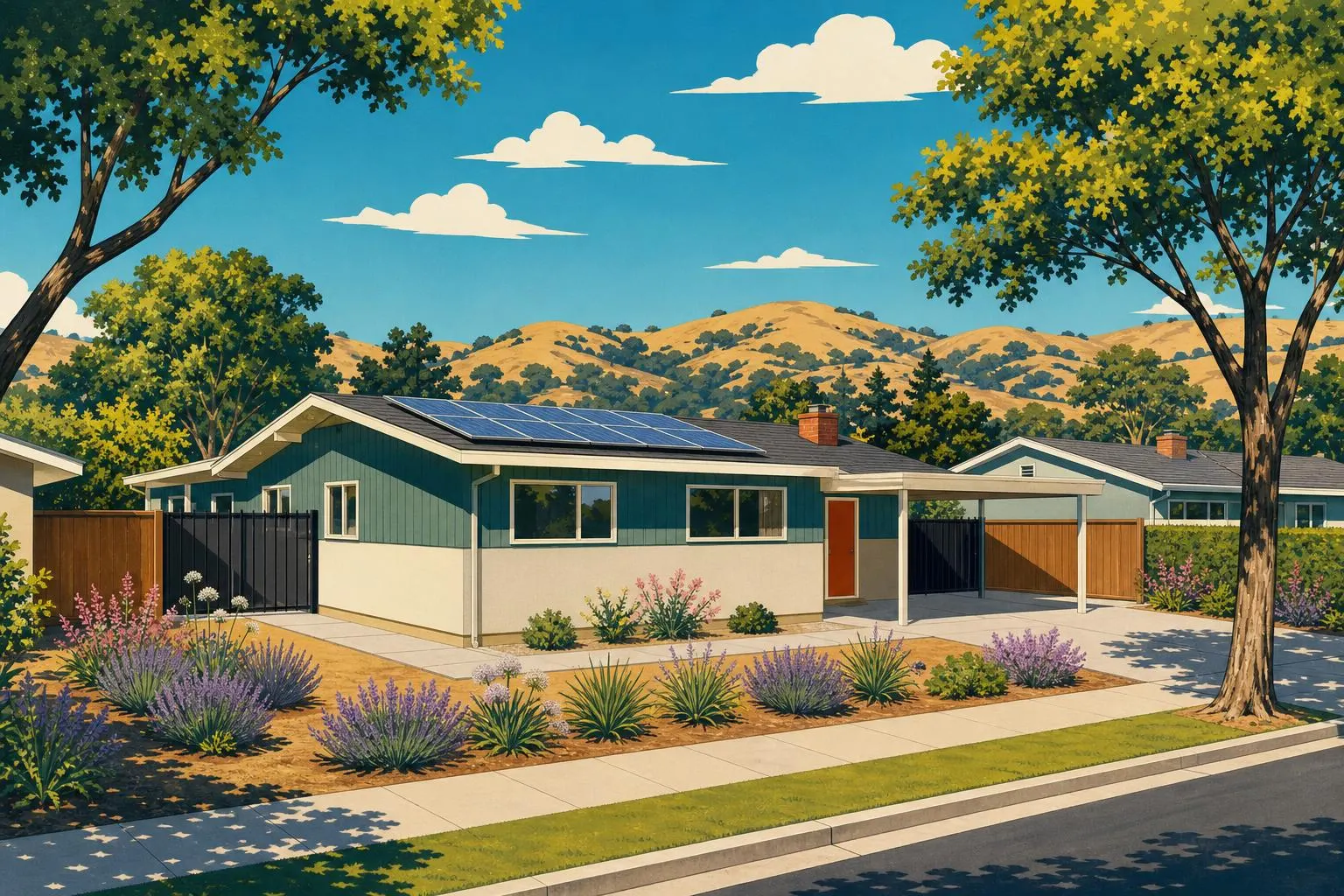
Explore the options for your home
Use these guides to understand the many options for wildfire-resilience improvements 0r to prepare for conversations with contractors. Each resource below explains a different part of the home and ways to reduce its vulnerability:
- Fences and gates: Start where a combustible fence meets the house. A noncombustible replacement section or gate can reduce risk without replacing the entire fence.
- Vents: Ask about ember-resistant replacements and how to maintain adequate airflow.
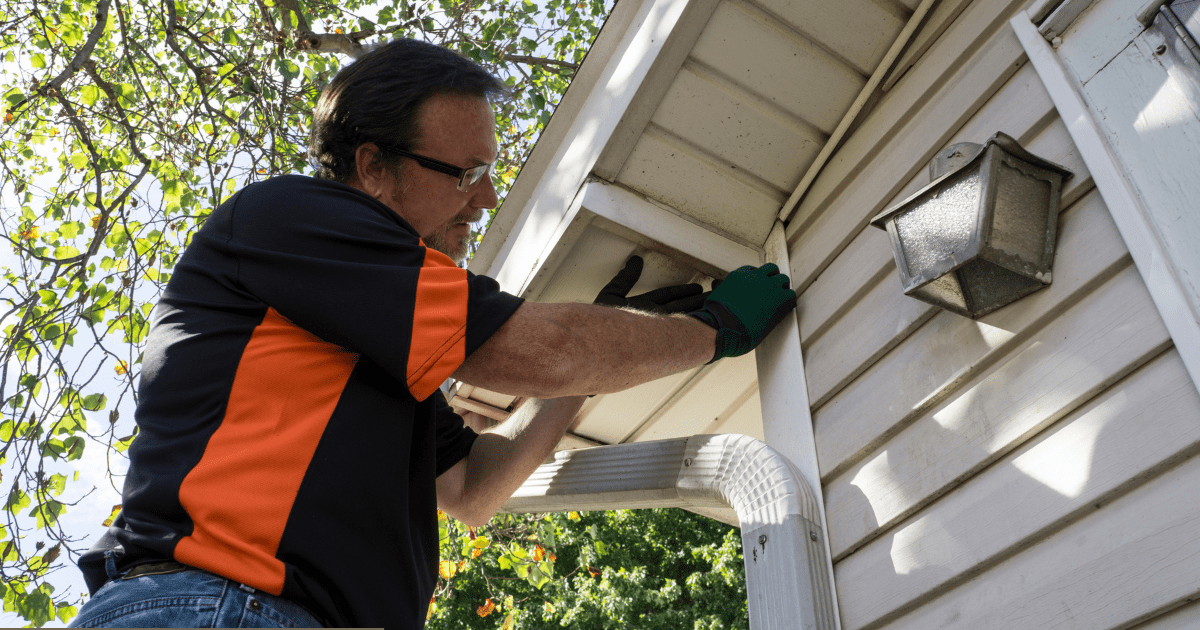
- Soffits and eaves: Discuss protecting roof overhangs with noncombustible materials while preserving attic ventilation.
- Gutters: Consider metal gutters and protective metal flashing at roof edges. Regular debris removal remains essential.
- Roofs: Ask about fire-rated roofing, including any underlying materials needed to achieve that rating.
- Siding: Explore noncombustible options such as fiber cement, metal and stucco.
- Decks, patios and porches: Review materials and maintenance together, including removing debris between and underneath the boards.
There are a lot of options out there to make your home more wildfire-resilient, and it can seem overwhelming. Sometimes a licensed contractor who’s knowledgeable about fire safe practices can help you achieve the larger projects. If so, write down your questions and start the conversation.
Choose someone who understands wildfire retrofits
Look for a contractor with relevant experience who can explain how each improvement reduces risk. Ask for examples of completed projects and references.
Bring your report to conversations with prospective contractors. Use it to discuss the concerns identified at your home and turn recommendations into a clear project plan.
Before hiring a contractor, ask:
- What should come first? Discuss your home’s vulnerabilities, your budget and whether work can happen in stages.
- Why these materials? Compare cost, appearance, durability, maintenance and installation requirements.
- What does the estimate include? Seek written bids from at least three contractors when possible. Compare equivalent work, including products, labor, permits, cleanup and warranties.
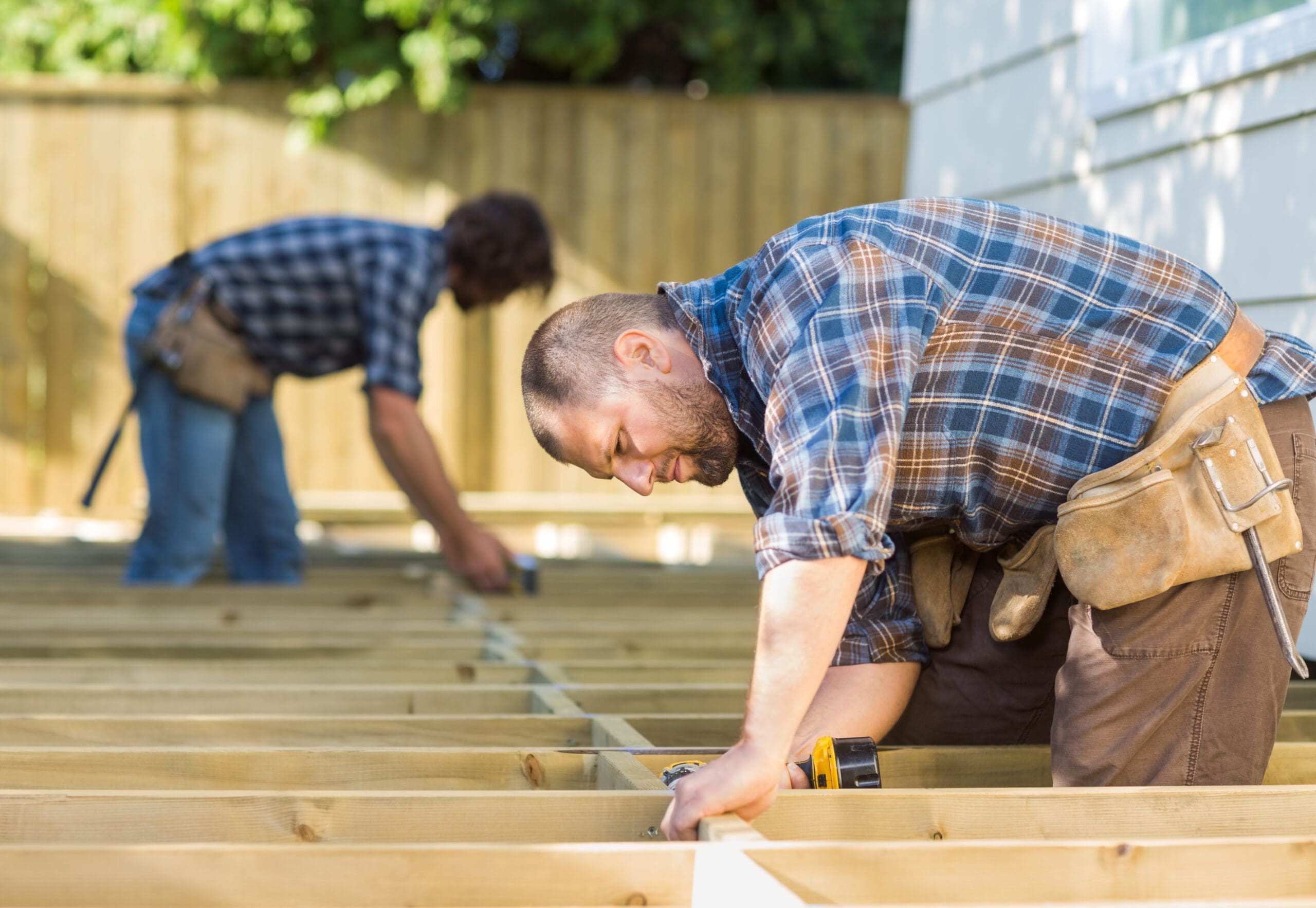
- Can I verify your qualifications? Confirm licensing and insurance, check references and put the final agreement in writing.
- Be cautious of promises to “fireproof” your home. No upgrade guarantees survival, and contractors cannot guarantee insurance coverage or savings. Ask your insurer which improvements it recognizes and what documentation it needs.
Fire Safe Marin’s guide to choosing a contractor includes more questions and a list of professionals who completed Fire Safe Academy’s wildfire retrofit training course. The list is a starting point, not an endorsement; homeowners should verify each contractor’s qualifications.
The Fire Safe Academy’s “Retrofitting for Wildfire” contractor training course is produced by Fire Safe Marin and made possible through a generous grant from Marin Community Foundation and the support of Marin Wildfire and the Marin Builders Association.